
Walk into any shopping mall or scroll through an online store, and the appeal of fast fashion is undeniable. Trendy clothes at unbelievably low prices promise instant gratification. A new style every week, discounts every day, and wardrobes that can be refreshed without much thought. But hidden behind the glossy advertisements and low price tags is a disturbing reality—one where childhoods are shortened, dignity is compromised, and human lives bear the real cost of “affordable” fashion.
Fast fashion refers to the rapid production of inexpensive clothing that mimics current trends. Brands compete to bring designs from the runway to retail stores in record time. While this model benefits consumers seeking low-cost options, it relies heavily on exploitative labour practices, particularly in developing countries. Among the most vulnerable victims of this system are children.
Stolen Childhoods Behind the Seams
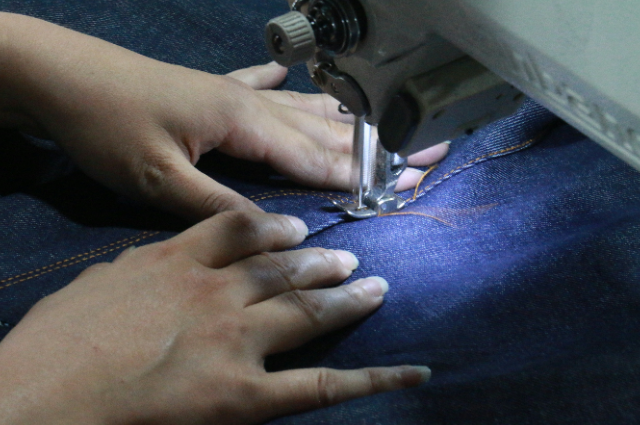
Across parts of South Asia, Southeast Asia, Africa, and Latin America, thousands of children work in garment factories, textile mills, and cotton fields. Instead of attending school, playing with friends, or dreaming about the future, they spend long hours sewing, cutting, dyeing, and packaging clothes destined for global markets. These children often work in unsafe conditions, exposed to harmful chemicals, poor ventilation, and dangerous machinery.
The irony is painful. Clothes designed to make other children look fashionable are often made by children who have never experienced a carefree childhood themselves. Their days are shaped by deadlines, exhaustion, and fear rather than curiosity and learning. Fast fashion does not just produce clothes quickly—it forces children to grow up faster than they should.
Why Child Labour Persists in Fast Fashion
The driving force behind child labour in the garment industry is cost reduction. Brands demand extremely low production prices to maximise profits and remain competitive. Manufacturers, under pressure to deliver large quantities at low costs, often turn to cheap labour. Children are preferred because they can be paid less, are less likely to protest, and can be easily controlled.
Poverty also plays a major role. Many families rely on their children’s income to survive. When wages for adults are insufficient, sending children to work becomes a desperate coping mechanism. In such situations, the fast fashion industry does not create poverty, but it certainly exploits it.
Weak law enforcement further worsens the problem. Although many countries have laws against child labour, corruption, lack of inspections, and informal supply chains allow violations to continue unchecked. Large brands often outsource production through multiple layers of suppliers, making it easy to deny responsibility when abuses are uncovered.
The Hidden Human Cost
The price of low-cost garments is not just measured in rupees or dollars—it is measured in broken bodies and lost futures. Child labour affects physical and mental health. Long working hours stunt growth, cause chronic pain, and increase the risk of injury. Exposure to toxic dyes and chemicals can lead to respiratory problems, skin diseases, and long-term health complications.
Education is another major casualty. Children who work full-time rarely attend school, and even those who do often struggle due to exhaustion. Without education, they are trapped in a cycle of low-paying jobs and poverty, making it likely that their own children will face the same fate. Thus, fast fashion contributes to intergenerational inequality.
Psychologically, the impact is equally severe. Children in exploitative labour environments experience stress, anxiety, and a sense of worthlessness. They learn early that their value lies only in how much they can produce, not in who they are.
Consumer Responsibility and Moral Blindness
As consumers, we are not entirely innocent. The demand for cheap, trendy clothing fuels the system. When we prioritise price over ethics, we unknowingly support practices that harm children. The distance between the consumer and the producer creates moral blindness. It is easier to ignore suffering when it is hidden in faraway factories.
Marketing plays a powerful role in this disconnect. Brands promote sustainability slogans and ethical images while continuing harmful practices behind the scenes. This “greenwashing” and “ethical washing” mislead consumers into believing that buying more is harmless, as long as it feels fashionable and modern.
Signs of Change and Hope
Despite the grim reality, change is possible. Increased awareness, activism, and media exposure have forced some brands to rethink their supply chains. International organisations and NGOs continue to fight child labour by promoting education, fair wages, and stricter labour laws.
Ethical fashion brands are emerging, focusing on transparency, fair trade, and sustainable production. While their products may cost more, they reflect the true cost of making clothes without exploitation. Supporting such brands sends a clear message that human rights matter more than fast trends.
Governments also have a responsibility to strengthen labour laws, improve inspections, and support families through social welfare programs so children are not forced into work. Education must be accessible and compulsory, not a luxury only some can afford.
Choosing Slower, Kinder Fashion
“Fast fashion, faster childhoods” is not just a phrase—it is a warning. When fashion moves too fast, humanity is left behind. Slowing down means buying less, choosing quality over quantity, and asking difficult questions about where our clothes come from. It means recognising that every garment has a story, and sometimes that story includes a child who paid the price for our convenience.
In the end, true style is not about following trends; it is about values. A society that protects its children is richer than one overflowing with cheap clothes. By choosing ethical fashion and demanding accountability, we can help ensure that childhood remains a time for learning, dreaming, and growing—not for labouring in the shadows of the global fashion industry.
References
- International Labour Organisation & UNICEF. (2025). Child labour: Global estimates, trends and the road forward. UNICEF. https://www.unicef.org
- Khatwani, N. (2022). Child labour in the fast fashion industry, with a focus on India. Global Journal of Human-Social Science. https://socialscienceresearch.org
- UNICEF. (2020). Children’s rights in the garment and footwear supply chain. UNICEF & Norges Bank Investment Management. https://www.unicef.org
- UNICEF. (2021). Addressing children’s rights in the garment and footwear supply chain. UNICEF. https://www.unicef.org
- U.S. Department of Labour. (2025). List of goods produced by child labour or forced labour. Bureau of International Labour Affairs. https://www.dol.gov
- Humanium. (n.d.). The detrimental effects of fast fashion on children’s rights. https://www.humanium.org
- Reuters. (2025, February 26). Shein reports child labour cases as audits increase. https://www.reuters.com