
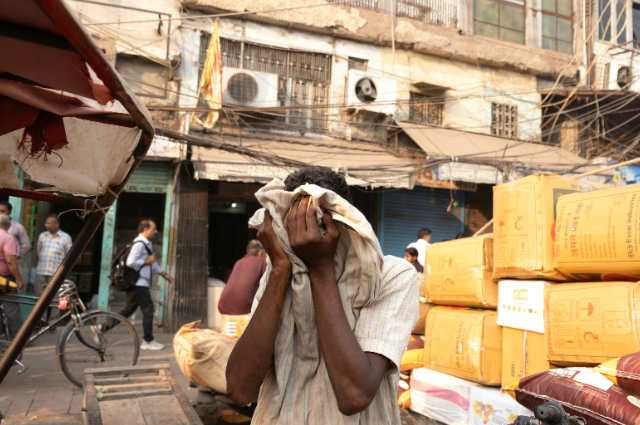
Heat has always been a part of India’s seasonal rhythm. From the dry winds of Rajasthan to the humid coastal plains, people have adapted to rising temperatures for centuries. Yet something has shifted in recent years. The heat that once followed a predictable pattern is now more intense, more prolonged, and more unpredictable. While the Sahara Desert remains one of the hottest places in terms of raw temperature, India today is facing a different and arguably more dangerous kind of heat.
The Sahara is climatically hot because it is a desert. Its high temperatures are expected, consistent, and largely confined to sparsely populated areas. In contrast, India’s heat is spreading across densely populated regions, affecting millions of people who live, work, and survive in conditions that are becoming increasingly difficult. The danger lies not just in how hot it gets, but in where and how that heat is experienced.
India’s rising temperatures bring frequent heatwaves that are becoming longer and more intense, affecting cities and rural areas alike. Both human endurance and infrastructure face severe strain, while farmers growing crops under relentless heat find it harder to cope.
Humidity adds another layer of danger. Unlike dry desert heat, much of India experiences a combination of high temperature and high humidity. This creates what scientists call a wet bulb effect, where the body’s ability to cool itself through sweating is severely reduced. Even temperatures that may seem manageable on paper can become life-threatening under such conditions. For many people, especially those without access to cooling systems, this is not just uncomfortable but deadly.
Urbanisation has made the situation worse. Indian cities are expanding rapidly, often without adequate planning for climate resilience. Concrete structures, asphalt roads, and a lack of green spaces trap heat, creating urban heat islands. These areas can be several degrees hotter than their surroundings. In cities like Delhi, Mumbai, and Hyderabad, the difference is not just noticeable but dangerous. People living in informal settlements are particularly vulnerable, as their homes are often made of materials that absorb and retain heat.
Access to cooling is deeply unequal. Air conditioning, while increasingly common, is still out of reach for a large portion of the population. Even where it is available, frequent power cuts during peak summer months make it unreliable. For daily wage workers, street vendors, and labourers, avoiding the heat is simply not an option. Their livelihoods depend on being outdoors, often during the hottest parts of the day.
Water scarcity further compounds the problem. As temperatures rise, the demand for water increases, but supply often falls short. Many regions in India already face chronic water shortages, and extreme heat only intensifies the crisis. This creates a vicious cycle where people need more water to stay safe, but have less access to it. In rural areas, women and children often bear the burden of travelling long distances to fetch water, exposing them to the harsh sun for extended periods.
Health systems are also under strain. Heat-related illnesses such as heatstroke, dehydration, and cardiovascular complications are becoming more common. Hospitals see a surge in patients during peak summer months, but not all cases are reported or treated. Many people either do not recognise the symptoms or do not have access to medical care. The true impact of extreme heat on public health is likely much larger than what official data suggests.
Climate change is a major driver behind these changes. Rising global temperatures are altering weather patterns, making extreme events more likely. India, with its diverse geography and large population, is particularly vulnerable. The country is experiencing not just hotter summers, but also irregular monsoons, unseasonal rains, and sudden temperature spikes. These shifts disrupt agriculture, strain resources, and increase the risk of disasters.
What makes India’s heat more dangerous than that of the Sahara is the human factor. The Sahara’s extreme temperatures occur in areas with very low population density. In India, similar or slightly lower temperatures are affecting millions of people at once. The scale of exposure transforms a climatic condition into a public health emergency. It is not just about how hot it gets, but about how many people are affected and how prepared they are to cope.
Efforts are underway to address the issue. Some cities have introduced heat action plans, which include early warning systems, public awareness campaigns, and measures to provide cooling shelters. These initiatives have shown promise in reducing heat-related deaths. However, implementation is uneven, and many regions still lack comprehensive strategies.
Long-term solutions require a combination of policy, planning, and public participation. Urban design needs to prioritise green spaces, reflective materials, and better ventilation. Water management must become more efficient and equitable. Renewable energy can help reduce dependence on fossil fuels, which contribute to global warming. At the same time, community-level awareness is crucial. Simple practices such as staying hydrated, avoiding peak heat hours, and recognising early signs of heat stress can save lives.
The challenge is not just environmental but social and economic. Addressing extreme heat requacknowledging the inequalities that make some groups more vulnerable than others. It also demands a shift in how development is planned and executed. Growth cannot come at the cost of resilience.
India stands at a critical point. The heat it is experiencing today is not just a seasonal inconvenience but a warning sign of bigger changes. While the Sahara remains a symbol of extreme heat, India’s situation highlights a more complex and urgent reality. The danger lies in the intersection of climate, population, and infrastructure. Without timely action, what is now a growing concern could become a defining crisis of the future.
References:
- The Intergovernmental Panel on Climate Change reports on global warming and regional impacts.
- India Meteorological Department data on heatwaves and temperature trends.
- World Health Organisation guidelines on heat-related illnesses and public health responses.
- Research studies on urban heat islands and climate resilience in Indian cities.
- National Disaster Management Authority heat action plan guidelines.
- Peer-reviewed articles on wet-bulb temperature and human survivability limits.