
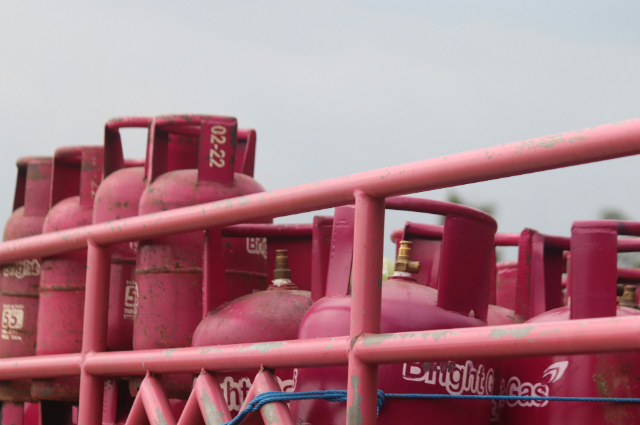
Liquefied petroleum gas (LPG) is a light burning fuṄel which is extracted from natural gas. It can be stored without deterioration. It is used for domestic, commercial and industrial processes on a daily basis by billions of people around the world.
Due to the ongoing tension around the world, India is facing LPG shortage. India imports more than 80% of LPG from the Middle East through the Strait of Hormuz, about 25 million tonnes annually. The Strait of Hormuz is the main route of oil supply from the Middle East to various parts of the world. The Strait has been closed in March 2026 due to the Iran-Israel conflict. The war has drastically hiked transportation costs while simultaneously reducing the supply of oil and gas.
What’s happening on the ground
Gas is essential in so many ways that its shortage has significantly impacted food services in India, especially in the commercial sector. Many of the eateries have completely or partially shut down in the face of such circumstances. Restaurant associations in Maharashtra, Karnataka and West Bengal warn that eateries could shut down within days if supplies aren’t restored. Most of the menu items have been limited to tea, coffee, plain rice, and lentils. Similarly, meals requiring longer cooking times or gas and deep frying have been excluded from the list of available items in restaurants to conserve gas.
A roadside eatery in New Delhi pasted a note, “We are serving only rice and lentils today." While some restaurants cut down menu items, at least 20% of restaurants have had to close temporarily in New Delhi. “Menus are being curtailed, some are cutting lunch service and opening only for dinner," Singh says. "Three restaurants in Delhi were shut yesterday - two have already reopened. It's a fluid situation."
Restaurants in Bengaluru have reported a drop in deliveries and a price hike in the sunflower oil that they use for cooking. They are currently relying on the vendors for immediate payment of gas and frequent replacements. Even the restaurants that do store gas may run out soon. “It's a very grave situation. Most of the (gas) companies have stopped supplying," said Ananth Narayan of the NRAI's Bengaluru branch
Students living in hostels are also struggling. Their cylinders in hostel haven’t reached the 25-day benchmark and thus, they fail to get gas supply or freshly cooked meals. “Previously, we relied on unauthorised shops to refill our two kg cylinders when we ran out. Now, those shops are closed, and our main 14.2 kg cylinder hasn’t reached the 25-day booking mark. We are literally counting the days until we can eat a home-cooked meal again,” one student told The Hindustan Times.
Some hostels have shifted to making only low-fuel dishes, while some have asked residents to stop making tea, coffee and bread until the situation is under control.
At an automobile plant in Gujarat, the canteen has removed fried items from the menu, replacing tea with lemon water and soup with buttermilk.
The gas is also unavailable for people at home as they face delivery delays of 2-8 days after booking. As a result, the sale of electric stoves has spiked. The online and physical markets not only face a increase in demand and cost escalation of induction cook-tops, but some shops have also emptied their stock.
Prices and the black market
In early March 2026, the domestic 14.2 kg cylinder has increased by about 60 INR. The commercial cylinder, on the other hand, has spiked over 110 INR. The regular cost of the commercial cylinder is around 1600 INR while currently, it is being sold for nearly 3000 INR in Mumbai. Whereas, in Andheri, a hotel owner reportedly paid 6000 INR for a single cylinder.
Government response
The government invoked the Essential Commodities Act on 6th March, directing refineries to maximise LPG output. They have also asked oil marketing companies to focus on domestic supply. The LPG booking cycle has also been extended from 21 to 25 days. The government has also increased LPG imports from sources other than the Strait of Hormuz by 70%, such as the United States, Norway, Canada and Russia. It has raised LPG production within the country by 10%. The use of biomass, kerosene and coal has been permitted for use as alternative sources by the federal environment ministry.
Although the government claims smooth working of LPG and a sufficient stock for 12-16 weeks, the closed restaurants and canteens, narrow menu items and the public’s panic buying and anxiety tell a whole different story. Prime Minister Modi has stated that the war should not impact the common man.
References