
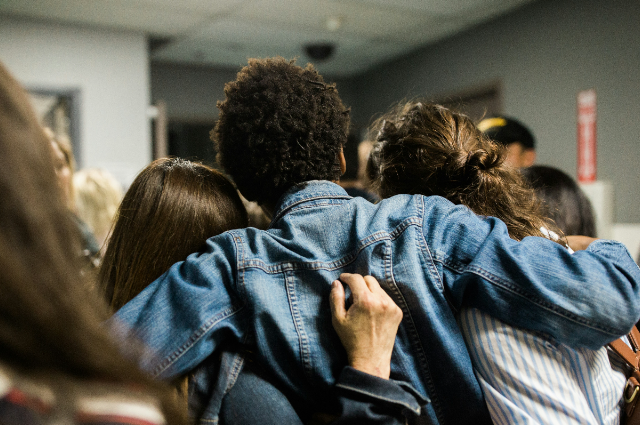
In India, we grow up hearing that family is everything—parents are your shield, home is where you're always safe, and love from blood relatives is supposed to be rock-solid no matter what. Bollywood songs, religious stories, and everyday sayings... they all hammer home this idea of unbreakable family ties. But for a lot of “LGBT” people here, that dream crashes the moment they open up about who they really are.
Coming out often brings silence instead of hugs, pressure to "fix" yourself, cold shoulders, or outright warnings about disgracing the house. The warm picture of Indian family life just doesn't match what many queer folks actually go through. And that mismatch? It's fueling a hidden mental health emergency that's still not talked about enough in most homes or headlines.
People love repeating the line that being gay, lesbian, trans, or anything beyond straight and cis is some foreign "Western" thing imported to corrupt our culture. That's flat-out wrong. Look at ancient texts, temple carvings, old folklore—gender fluidity and same-sex bonds show up in South Asian history way before the British showed up with their laws and attitudes. What really changed was tolerance, not the existence of these identities. Even now, after the Supreme Court struck down Section 377 in 2018 and said same-sex relationships aren't criminal anymore, acceptance inside families is patchy at best. The law might talk about dignity, but inside homes and neighbourhoods, old biases hang on tight.
The fallout hits mental health hard. Studies keep showing LGBTQ youth deal with way higher chances of depression, heavy substance use, and suicidal thoughts—often double or more compared to straight peers. It's rarely the identity itself causing the damage; it's the constant drip of stigma, bullying, harassment, and especially fear of family rejection. Psychologists point straight to discrimination and lack of support as the main culprits.
Trans people face some of the roughest stats. Older research puts suicide rates among trans individuals in India around 31%, with about half attempting it at least once before turning 20. Recent reviews echo similar alarmingly high numbers. These aren't because someone is trans—they link directly to being shut out by society, rejected by family, facing violence on the streets, and getting blocked from jobs, education, or even a place to live. When your basic security gets ripped away over who you are, it's no wonder distress piles up.
Young queer people often spend years hiding, terrified they'll get thrown out or pushed into a straight marriage they don't want. That double life—pretending every day—builds relentless stress, anxiety, and a deep sense of being alone. Experts call it "minority stress": the extra burden from nonstop social judgment and prejudice.
Real-life stories make it impossible to ignore. Take Dutee Chand, our star sprinter who became India's first openly gay athlete back in 2019. She spoke about her relationship, calling her partner her soulmate. But the backlash hit home hard—her family was shocked, her village in Odisha basically disowned her, saying it humiliated everyone. Even her sister, who once mentored her in sports, turned against her. Dutee has talked about how the social pressure felt heavier than any race she'd run, yet she stood firm. Her courage opened doors for others, but it showed that even successful, famous people aren't immune to family and community pushback.
Then there's Laxmi Narayan Tripathi, the well-known trans activist. Growing up in an orthodox Brahmin family, she faced rejection early on—people laughed, called her names, and her femininity was crushed under expectations. She endured sexual abuse as a child and felt like an outsider. Her family struggled with her identity; it shocked them when they learned about her ties to the hijra community. Laxmi has written and spoken openly about that pain, but she also found strength and belonging in the trans community that welcomed her.
That's exactly why "chosen family" has become a lifeline for so many. When blood relatives can't (or won't) offer acceptance, people build their own networks—close friends, partners, mentors, queer folks who've been through the same. These groups share apartments, help hunt for jobs, and create hangouts where you don't have to hide or explain yourself. Research backs this up: even one supportive relationship—whether from bio family or chosen—can boost self-worth, cut suicide risk, and build real resilience. Without family acceptance, these connections often become the only safe space.
In cities like Mumbai, Delhi, Bangalore, and even smaller towns, informal queer circles act as backup systems. They prove belonging isn't just blood—it's about who shows up when you need them. Mental health folks stress that isolation is one of the biggest predictors of serious distress. Rejection from the people closest to you cuts deep, but finding even a small circle of care can turn things around.
Chosen families lay bare a tough contradiction in our society. We brag about strong family values and tradition, yet thousands of queer kids dread what's waiting at home. Pride in "Indian culture" sometimes covers up intolerance that's very real. When young people have to go outside their birth family for basic emotional safety, it shows incredible strength on their part—but it also points to a big gap in the systems we say protect everyone.
The conversation is finally getting louder. More LGBT voices are sharing stories, activists are pushing, researchers are highlighting data, and mental health professionals keep saying family acceptance is one of the strongest shields for queer youth. Laws help, protests matter, but real change has to happen inside homes, in daily attitudes, in how we talk (or stop talking) about these things.
Chosen families are proof that humans will create love and support wherever it's missing. They show we can build a home even when the original one fails us. But it forces a hard question: If someone has to walk away from their birth family to find dignity and peace, who's really at fault—the person living their truth, or the rigid idea of "family" that refuses to stretch?
REFERENCES
- https://pmc.ncbi.nlm.nih.gov
- https://pmc.ncbi.nlm.nih.gov
- https://pmc.ncbi.nlm.nih.gov
- https://pmc.ncbi.nlm.nih.gov
- https://en.wikipedia.org/
- https://timesofindia.indiatimes.com
- https://www.theguardian.com
- https://en.wikipedia.org
- https://journals.lww.com
- https://www.newportinstitute.com