
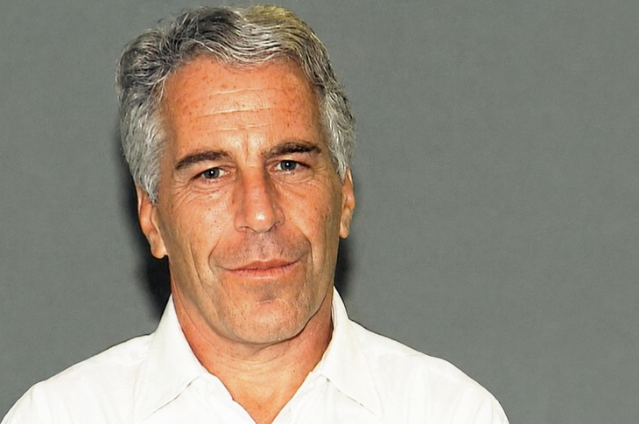
Epstein’s Background and Rising Scrutiny
Jeffrey Epstein was one of the most controversial figures in recent American criminal history, long before he died in 2019. Born on January 20, 1953, in Brooklyn, New York, Epstein became a wealthy financier known for his connections to powerful politicians, celebrities, business leaders, and royalty. Behind his public image, however, were years of allegations involving the sexual abuse and trafficking of underage girls.
Public outrage surrounding Epstein intensified after his highly criticised 2008 plea deal, often referred to as the “sweetheart deal.” Following an investigation in Palm Beach, Florida, Epstein avoided major federal sex-trafficking charges by pleading guilty to lesser state offences related to soliciting prostitution from a minor. He served only 13 months in jail under unusually lenient conditions that allowed him to leave during the day for work release. The agreement, overseen by then–U.S. Attorney Alex Acosta, sparked accusations that Epstein used his wealth and influence to receive special treatment from the justice system.
Even after becoming a registered sex offender, Epstein continued to socialise with influential and wealthy individuals. His ability to maintain elite connections despite his criminal conviction fueled public suspicion and widespread media attention. Over the years, additional allegations continued to emerge, with claims that Epstein operated a large network involving the exploitation of underage girls.
Interest in the case grew significantly again in 2018 after a major investigation by the Miami Herald uncovered new details about Epstein’s earlier plea agreement and the handling of the case. The reporting renewed public pressure for accountability and contributed to new federal investigations. In July 2019, Epstein was arrested on federal sex-trafficking charges connected to alleged abuse dating back to the early 2000s.
Just weeks later, on August 10, 2019, Epstein was found dead in his jail cell at the Metropolitan Correctional Centre in Manhattan while awaiting trial. Authorities ruled his death a suicide by hanging, but the circumstances surrounding his death immediately generated controversy. Questions about prison failures, lack of supervision, and Epstein’s high-profile connections led to intense public speculation and conspiracy theories.
The controversy resurfaced again on May 6, 2026, when a federal judge unsealed a purported suicide note allegedly connected to Epstein. According to reports, the note was discovered by Epstein’s former cellmate, Nicholas Tartaglione, after Epstein’s first suspected suicide attempt in July 2019. The handwritten document included statements such as, “They investigated me for month[s] — FOUND NOTHING!!!” and “It is a treat to be able to choose one’s time to say goodbye.”
However, the document remains heavily disputed. The note is unsigned, undated, and has not been officially authenticated by any court or investigative agency. Despite those uncertainties, its release has reignited public interest in Epstein’s death and raised new questions about one of the most debated criminal cases in recent years.
The Alleged Suicide Note: Discovery and Controversy
A purported suicide note allegedly written by Jeffrey Epstein was released by a federal judge on May 6, 2026, after remaining sealed for several years. The document is believed to be connected to Epstein’s first suspected suicide attempt in July 2019 while he was being held at the Metropolitan Correctional Centre in Manhattan. However, despite the public attention surrounding the release, the note remains unverified and has not been officially authenticated by any court, federal agency, or handwriting expert.
The handwritten note reportedly consisted of seven lines written on paper resembling a yellow legal pad. According to reports, the document contained several emotionally charged statements, including: “They investigated me for months — FOUND NOTHING!!!” “It is a treat to be able to choose one’s time to say goodbye.” “Watcha want me to do — Bust out cryin!!” and “NO FUN — NOT WORTH IT!!”
The wording of the note immediately attracted public attention because it appeared to express frustration, resignation, and emotional distress. Some reports also noted that the phrase “Whatcha want me to do” resembled language Epstein allegedly used in previous emails, leading some observers to suggest similarities in writing style. However, no official handwriting analysis has confirmed whether Epstein actually wrote the note.
One of the biggest issues surrounding the document is that it was neither signed nor dated. The absence of a signature and date has raised serious questions about its authenticity and legal reliability. Although the note was unsealed by a federal judge, its release does not confirm that it is genuine evidence.
According to reports, the note was discovered by Epstein’s former cellmate, Nicholas Tartaglione, after Epstein’s failed suicide attempt on July 23, 2019 — less than three weeks before Epstein was found dead on August 10, 2019. Tartaglione, a former police officer later convicted of quadruple murder, claimed he found the note tucked inside a graphic novel in their shared jail cell.
The note reportedly remained hidden for nearly seven years because it became part of a sealed legal dispute connected to Tartaglione’s criminal case. It was protected under attorney-client privilege and was allegedly unknown to both the Department of Justice and the FBI during their investigations into Epstein’s death. Federal authorities later stated they had never seen the document before its recent unsealing.
Questions have also been raised about the chain of custody surrounding the note. Reports indicate that the document was not turned over to the court until May 2021, nearly two years after Epstein’s death. Additionally, Tartaglione’s legal team reportedly admitted that they never conducted a formal handwriting analysis to verify its origin.
Because the note was only recently made public, independent experts have not yet completed full authentication reviews. As a result, while the document has reignited public debate surrounding Epstein’s death, it remains an unverified piece of evidence rather than confirmed proof connected to the official investigation.
Key Figures and Conflicting Accounts
One of the central figures connected to the alleged Epstein suicide note is Nicholas Tartaglione, a former Briarcliff Manor police officer who was later convicted in a quadruple murder case in Orange County, New York. In 2024, Tartaglione was sentenced to four consecutive life sentences for the 2016 killings. Before his conviction, he became publicly linked to Jeffrey Epstein after the two men shared a jail cell at the Metropolitan Correctional Centre (MCC) in Manhattan in 2019 while both awaited trial in separate federal cases.
Tartaglione’s connection to Epstein became widely discussed after an incident on July 23, 2019, when Epstein was found injured on the floor of their shared jail cell with marks on his neck. The incident occurred less than three weeks before Epstein’s death on August 10, 2019, which authorities later ruled a suicide.
Following the July incident, Epstein was placed on suicide watch. According to jail records and media reports, Epstein initially suggested that Tartaglione may have harmed him. Reports stated that Epstein claimed Tartaglione had attempted to extort money from him and threatened violence if he refused to pay. However, during later interviews with prison staff, Epstein reportedly changed his account and stated that he had not been threatened and did not want to “make up something that isn’t there.” Records also showed that Epstein denied being suicidal at the time.
Tartaglione denied assaulting Epstein and later presented a different version of events. In public interviews, including a 2025 podcast appearance, Tartaglione claimed that Epstein had attempted suicide while they were sharing a cell and that he revived him by performing CPR. This account has not been independently verified by investigators.
Tartaglione also claimed that after returning to the cell following the incident, he discovered a handwritten note hidden inside one of his books. According to his account, the document was later handed over to his legal team. The note remained sealed for years before being publicly released in May 2026.
Another important figure connected to the note is Bruce Barket, Tartaglione’s former attorney. Barket stated publicly that he believed the note may have been written by Epstein, but he also acknowledged that no official handwriting analysis was ever completed. He disputed claims
suggesting the document had already been formally authenticated, explaining that his belief was based mainly on the circumstances surrounding the note’s discovery and similarities to other alleged Epstein writings.
Because the alleged note has never been officially verified, questions about credibility remain central to the story. The fact that the document reportedly came from a high-profile inmate convicted of murder has contributed to continued public scepticism and debate surrounding both the note and the events leading up to Epstein’s death.
Public and Media Response
The release of Jeffrey Epstein’s purported suicide note in May 2026 triggered intense public reaction and renewed debate surrounding his death. Across social media, news platforms, and online forums, many people expressed scepticism about the document’s authenticity and frustration over the continued uncertainty surrounding the Epstein case.
One major reaction centred on the tone of the alleged note itself. Public commentators and media analysts described the language as defiant and lacking remorse. Phrases such as “They investigated me for months — FOUND NOTHING!!!” were criticised for appearing dismissive despite the serious allegations Epstein faced before his death. Some observers argued that the note provided little sense of closure for victims and instead reignited public anger toward Epstein and the institutions connected to his case.
The release also generated criticism toward the Department of Justice and federal investigators. Reports noted that the note had allegedly remained sealed for nearly seven years and was not included in the government’s earlier release of Epstein-related documents. Critics questioned how such a potentially important document could have remained outside official investigations for so long, especially considering the high public interest surrounding Epstein’s death.
At the same time, journalists and online commentators analysed the language and writing style of the note in an attempt to determine whether it may have been written by Epstein. Some pointed to similarities between the note and Epstein’s known email correspondence, particularly the use of short, abrupt phrases and expressions such as “Whatcha want me to do — Bust out cryin!!” While some interpreted these similarities as possible signs of authenticity, experts emphasised that linguistic similarities alone cannot confirm authorship without formal handwriting analysis or forensic verification.
The release of the note also revived conspiracy theories that have surrounded Epstein’s death since 2019. Although federal authorities officially ruled his death a suicide, public suspicion has continued for years because of Epstein’s powerful social connections, the secrecy surrounding aspects of the investigation, and serious failures inside the Metropolitan Correctional Centre before his death.
Despite ongoing public scepticism, federal investigators officially concluded that Jeffrey Epstein died by suicide. In 2023, the Department of Justice Office of the Inspector General released a report stating that there was no evidence of foul play or homicide. However, the report strongly criticised the Metropolitan Correctional Centre for what investigators described as a “cascade of negligence, misconduct, and outright job performance failures.” According to the report, correctional officers failed to perform required inmate checks, falsified records, and neglected established suicide-monitoring procedures. While the DOJ maintained that Epstein’s death was a suicide, the extensive failures identified in the investigation continued to fuel public doubt and conspiracy theories.
Investigations into the jail later identified multiple security and staffing failures, including exhausted guards, missed inmate checks, and malfunctioning surveillance procedures. For many members of the public, these failures created doubt about the official explanation and contributed to ongoing theories that Epstein may not have died by suicide.
Social media played a major role in spreading both information and misinformation following the note’s release. Online discussions quickly circulated screenshots, personal theories, and competing interpretations of the document. Some users treated the note as evidence supporting the official ruling of suicide, while others viewed it as suspicious because it was unsigned, undated, and discovered under unusual circumstances.
The intense reaction to the note demonstrates how the Epstein case continues to attract widespread attention years after his death. The combination of Epstein’s wealth, political connections, criminal allegations, and the unresolved public distrust surrounding the investigation has kept the case at the centre of public discussion long after the official conclusions were announced.
Accountability, Trust, and Unanswered Questions
The release of Jeffrey Epstein’s purported suicide note has once again highlighted the importance of authentication in legal investigations and public reporting. In court proceedings, documents must be verified to ensure they are genuine, reliable, and truly connected to the person they are attributed to. Under legal standards such as Federal Rule of Evidence 901 in the United States, evidence that cannot be properly authenticated may be challenged or excluded entirely. Because the alleged Epstein note is unsigned, undated, and has never undergone formal handwriting analysis, questions about its authenticity continue to shape public debate surrounding the case.
The Epstein case has also exposed major failures within the Federal Bureau of Prisons (BOP). Investigations into Epstein’s death, including the Department of Justice Office of the Inspector General’s 2023 report, identified serious problems inside the Metropolitan Correctional Centre in Manhattan. These failures reportedly included chronic staffing shortages, negligence by correctional officers, missed inmate checks, and weak safety procedures. The case became a symbol of broader concerns about prison oversight and accountability within the federal system.
Another major issue highlighted by the case is the impact of misinformation and public distrust. The Epstein investigation became heavily influenced by speculation, conspiracy theories, and conflicting narratives spread through traditional media and social media platforms. Misinformation can significantly damage public confidence in investigations by blurring the line between verified facts and unproven claims. In high-profile cases such as Epstein’s, false or misleading information can encourage people to distrust official findings, reject investigative conclusions, and believe alternative theories without evidence.
The widespread circulation of conspiracy theories following Epstein’s death reflects a deeper public scepticism toward powerful institutions. Because Epstein had connections to wealthy and influential individuals, many people questioned whether the full truth about his activities and death had been revealed. The combination of prison failures, secrecy surrounding court documents, and years of unanswered questions contributed to ongoing public suspicion.
Despite Epstein’s death in 2019, the case continues to receive major media attention years later because it remains politically, legally, and socially significant. The story has evolved beyond Epstein himself and now involves broader discussions about institutional failure, elite influence, sex-trafficking networks, and justice for victims.
Public attention increased again after the release of millions of pages of Epstein-related files between 2025 and 2026 under the Epstein Files Transparency Act. The Department of Justice reportedly released large amounts of documents, images, and videos connected to investigations into Epstein and his associates. Because the files were released gradually, new information continued to emerge over time, repeatedly renewing media coverage and public interest.
The case also remains active because many questions about accountability are still unresolved. While Ghislaine Maxwell was convicted for her role in Epstein’s trafficking network, many other individuals connected to Epstein have not faced criminal charges. Financial institutions, universities, and other organisations mentioned in court records have also faced scrutiny over allegations that they enabled or ignored Epstein’s activities.
In addition, ongoing civil lawsuits, congressional investigations, and advocacy efforts by survivors have kept the case in public discussion. Victims and legal teams continue seeking compensation from Epstein’s estate, while lawmakers and activists continue demanding greater transparency and reforms related to sex trafficking and institutional accountability.
Ultimately, the Epstein case remains one of the most controversial criminal scandals of the modern era. The combination of wealth, political influence, institutional failures, media attention, and unresolved public distrust has ensured that interest in the case continues years after Epstein’s death.
References
- The New York Times https://share.google
- Britannica https://share.google
- San Diego Union-Tribune https://www.sandiegouniontribune.com
- NPR https://share.google
- The New York Times https://share.google
- NPR https://share.google
- Department of Justice (.gov) https://share.google
- The New York Times https://share.google