
Understanding the Nipah Virus and Its Public Health Impact
In May 2018, a hospital in Kozhikode, Kerala (India) admitted a patient with severe fever and breathing difficulty. Within days, healthcare workers and family members who had cared for him also became ill. What began as a single unexplained case quickly escalated into a deadly outbreak of the Nipah virus. Before authorities contained the situation, more than 20 people had died, many of them infected through close contact in hospital settings. This event demonstrated how one unnoticed infection can trigger a chain of transmission with devastating consequences.
Nipah virus (NiV) is one of the most significant emerging infectious diseases due to its high fatality rate and potential to cause outbreaks. The virus poses a major public health concern because it can spread from animals to humans and, in some cases, from one human to another. During past outbreaks, mortality rates have ranged from about 40% to 75%, making it a serious threat to affected communities. The possibility of human-to-human transmission increases the risk of wider outbreaks, particularly in areas with limited healthcare resources.
From a public health perspective, Nipah virus outbreaks require rapid response and effective disease control strategies. Early detection, isolation of infected individuals, and proper surveillance systems are essential to prevent further transmission. Healthcare workers must also take protective measures when treating infected patients to reduce the risk of infection. Public awareness campaigns play an important role in educating communities about avoiding contaminated food sources and limiting contact with infected animals.
Another major challenge is the absence of a licensed vaccine or specific antiviral treatment. As a result, prevention and preparedness remain the most effective tools for managing outbreaks. Strengthening healthcare systems, improving laboratory diagnostic capacity, and promoting collaboration between human, animal, and environmental health sectors are crucial for reducing future risks. This integrated strategy, known as the One Health approach, enhances global preparedness and protects public health.
Virus Biology and Where It Has Been Reported
Nipah virus is a zoonotic virus belonging to the Paramyxoviridae family and the Henipavirus genus. It is considered a serious global health threat because of its high mortality rate and potential for human-to-human transmission. The virus was first identified during an outbreak among pig farmers in Malaysia between 1998 and 1999. Since then, repeated outbreaks have been reported in South and Southeast Asia, particularly in Bangladesh and India.
Fruit bats of the Pteropus genus serve as the natural reservoir of the virus. These bats carry the virus without appearing ill, shedding it through saliva, urine, and partially eaten fruit. Humans can become infected through:
- Direct contact with infected animals
- Consumption of food contaminated by bat secretions
- Interaction with intermediate hosts such as pigs
Human-to-human transmission has also been documented in several outbreaks, especially in healthcare settings. Infection can lead to severe respiratory illness and encephalitis, which can be fatal. Survivors may experience long-term neurological complications.
Understanding where the Nipah virus has occurred is essential for identifying at-risk regions and implementing preventive measures. Awareness of transmission routes and disease severity enables early detection, timely intervention, and improved outbreak preparedness.
Transmission of Nipah Virus
Nipah virus transmission follows a clear pathway from wildlife to humans, reinforcing the “fruit to fatal” chain suggested by its ecology.
Bat → Contaminated food → Animal or human infection → Human-to-human spread
Epidemiological investigations, particularly in Bangladesh, have identified several major routes:
Contaminated Food Sources
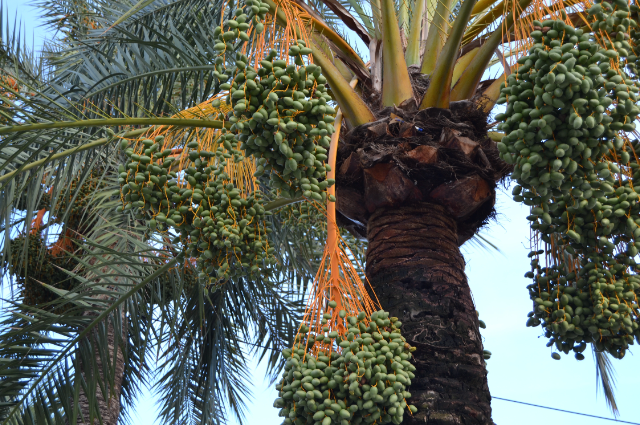
The most frequent route is the consumption of raw date palm sap. During the harvesting season (December to March), sap is collected overnight in open containers. Fruit bats often feed on the sap, contaminating it with saliva or urine containing the virus. Nipah virus can survive for days in sugary liquids. Multiple outbreaks have been strongly linked to drinking fresh, unprocessed sap.
Domestic Animals
Livestock can become infected after eating fruit contaminated by bats. In Malaysia, pigs acted as amplifying hosts, transmitting the virus to farmers. In Bangladesh, infections have also been linked to contact with sick cattle or goats that had consumed contaminated food.
Direct Contact with Bats
Although less common, direct exposure to bat secretions can occur, particularly among individuals who climb trees or handle fallen fruit.
Person-to-Person Transmission
Once the virus infects humans, it can spread through close contact with bodily fluids, especially in hospitals or households. The 2004 Faridpur outbreak in Bangladesh demonstrated extended transmission chains, affecting dozens of people across multiple households. Caregivers and healthcare workers are at particularly high risk.
Symptoms of Nipah Virus
The incubation period typically ranges from 4 to 14 days but can extend up to 45 days.
Early symptoms include:
- Fever
- Headache
- Muscle pain
- Sore throat
- Fatigue
- Nausea or vomiting
As the disease progresses, severe symptoms may develop:
- Dizziness
- Drowsiness
- Confusion
- Difficulty breathing
- Seizures
- Coma
Severe cases often involve encephalitis (brain inflammation), which can deteriorate rapidly and lead to death within 24–48 hours. The high risk of neurological complications highlights the importance of early recognition and supportive care.
Major Nipah Virus Outbreaks (Timeline)
A chronological overview illustrates how the virus has reappeared over time:
- 1998–1999 — Malaysia & Singapore The first recognised outbreak occurred among pig farmers in Malaysia, with pigs acting as intermediate hosts. Singapore reported additional cases among workers exposed to imported pigs.
- 2001 — Bangladesh The first outbreak in Bangladesh marked the beginning of almost annual occurrences, largely linked to contaminated date palm sap.
- 2001 & 2007 — West Bengal, India Outbreaks involved significant hospital transmission and high fatality rates.
- 2018 — Kerala, India One of the deadliest recent outbreaks. A single index case triggered widespread hospital transmission before containment.
In subsequent years, Bangladesh continues to report sporadic outbreaks nearly every year, demonstrating persistent risk.
Overall, the repeated emergence and high case-fatality rates underline the ongoing public health threat posed by the Nipah virus.
Why the WHO Considers Nipah Virus a Potential Epidemic Threat
The World Health Organization classifies Nipah virus as a priority pathogen due to its epidemic potential. Although outbreaks involve relatively few cases, the severity of illness is extremely high. Mortality rates can exceed 70%, and survivors often suffer long-term neurological damage.
Several factors contribute to global concern:
- High fatality rate
- Human-to-human transmission
- Lack of vaccines or specific treatments
- Long incubation period that complicates detection
- Recurring outbreaks in vulnerable regions
Environmental and societal changes are increasing future risks. Deforestation, agricultural expansion, and urban encroachment bring humans into closer contact with wildlife reservoirs. Climate-driven ecological changes may also alter bat migration patterns, expanding the virus’s geographic reach. In addition, global travel means an outbreak in one region could spread internationally before detection.
For these reasons, international health agencies emphasise surveillance, research, and preparedness.
Nipah virus represents a clear example of how diseases can spill over from wildlife to humans with devastating consequences. Raising public awareness about transmission pathways — particularly the risks associated with contaminated food and close contact with infected individuals — is essential for prevention.
The absence of licensed vaccines or targeted antiviral treatments highlights the urgent need for continued scientific research. Investment in vaccine development, therapeutics, and rapid diagnostic tools could significantly reduce mortality in future outbreaks.
Public health measures remain the most effective defense. Early detection, isolation, contact tracing, and strict infection control can stop transmission chains before they escalate. A coordinated One Health approach, integrating human, animal, and environmental health, is critical for long-term prevention.
Ultimately, the Nipah virus reminds us that preventing spillover at the source is far easier than controlling a full-scale outbreak. With increased awareness, surveillance, and global cooperation, future epidemics may be prevented before they begin.
. . .
References:
- PubMed Central (PMC) (.gov) https://share.google
- The Lancet https://www.thelancet.com
- ScienceDirect https://share.google
- Institute of Epidemiology, Disease Control and Research (IEDCR) https://share.google
- Cleveland Clinic https://share.google
- World Health Organization (WHO) https://share.google