
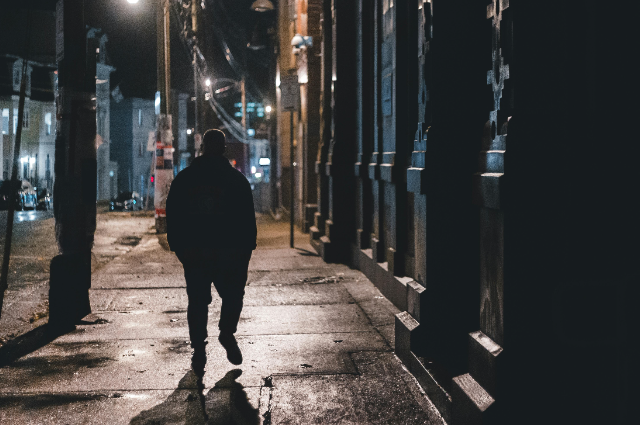
I used to know this street without thinking, but now it feels unfamiliar in a way I can’t fully explain. The road is still the same, the buildings are still standing, but something about it doesn’t feel like mine anymore. Places that used to have personality—small shops, roadside food spots, people you could recognize—have been replaced by clean, bright stores with big logos. Everything looks more polished now, maybe even more “developed,” but it doesn’t feel the same. It’s like being in your hometown and still feeling slightly out of place, like you missed something important while everything quietly changed.
What makes a place feel like home isn’t just the physical location. It’s the small, everyday things that build over time without you even noticing. It’s the woman who sells food and already knows what you’ll order before you say it. It’s the noise of a local market, the mix of voices, the bargaining, the sense that everyone understands how things work there. It’s the familiarity of faces, even if you don’t know everyone personally. These details give a place its identity. They create a sense of belonging that doesn’t need to be explained—you just feel it.
In many places, especially in growing cities, that identity is slowly being replaced. More franchises are opening. More global brands are taking over spaces that used to belong to local businesses. Streets that once had their own character now look like they could exist anywhere in the world. The same types of restaurants, the same types of stores, the same kind of design. You start to notice that a place you once saw as unique is beginning to look like a copy of somewhere else.
Social media plays a role in this too. It constantly pushes a certain image of what places should look like—modern, aesthetic, branded, and easily recognizable. Business owners feel pressure to match that image, and customers start to expect it. Over time, local styles and traditions begin to fade because they don’t fit into that global picture. Instead of preserving what makes a place different, everything starts moving toward what is already popular and widely accepted.
The effect of this shift goes beyond just how things look. It starts to affect how people feel about where they are. There’s a quiet kind of disconnection that comes with not recognizing the place you grew up in. It’s not dramatic or sudden—it happens gradually. One shop closes, then another. A familiar building is renovated into something unrecognizable. A space that once held memories becomes just another business. Over time, you realize that the emotional connection you had to these places is weakening.
For older generations, this change can feel more intense. They have clearer memories of what things used to be like, so the difference is more obvious. There’s a sense that something meaningful is being lost, even if it’s hard to put into words. For younger people, the experience is different. They grow up in this already changing environment, so they may not feel the same level of loss. Still, it affects them in another way—they may never fully experience the strong sense of local identity that previous generations had.
Another issue is how identity itself is changing. Before, identity was closely tied to culture, community, and shared experiences. Now, it is increasingly shaped by consumption. What you wear, where you eat, and the brands you associate with start to define how people see themselves and others. It becomes less about where you are from and more about what you can access. This shift might seem normal because it is happening everywhere, but it also makes identity feel less personal and more standardized.
At the same time, it would be unrealistic to say that all of these changes are negative. Development brings certain advantages that people genuinely benefit from. There are more job opportunities, better infrastructure, and easier access to goods and services. Things that were once difficult to find are now readily available. For many people, this represents progress and improvement in their quality of life. It’s understandable why these changes are accepted, and even welcomed, in many cases.
However, the benefits don’t erase the losses. When local businesses disappear, they take more than just products or services with them. They take stories, relationships, and a sense of history. A small shop is not just a place to buy something—it is often a place where people connect, where memories are formed, and where culture is quietly passed down. When these spaces are replaced by large, standardized businesses, that deeper meaning is often lost.
There is also the issue of sameness. When every place starts to look and feel alike, it becomes harder to feel a strong connection to any one place. Part of what makes a hometown special is the idea that it cannot be easily replaced. But when cities begin to mirror each other, that uniqueness fades. You could be in one place or another, and it would barely make a difference. That sense of being rooted somewhere specific starts to weaken.
This doesn’t mean that change should be rejected completely. Growth and modernization are necessary, especially in developing areas. The real challenge is finding a balance between moving forward and holding on to what matters. It’s about allowing new developments while still protecting local culture and identity. This could mean supporting small businesses, preserving traditional spaces, or simply valuing the things that make a place feel different.
At a personal level, it also requires awareness. People need to recognize that these changes are happening and think about what they want to keep. It’s easy to accept everything that comes with modernization without questioning it, but doing so can lead to losing things that cannot be replaced. Once a certain kind of environment or culture disappears, it is very difficult to bring it back.
In the end, the idea of being a “stranger in your hometown” is not just about physical change—it’s about emotional distance. It’s about standing in a place filled with memories and realising that it no longer feels the same. The buildings may still be there, the streets may still have the same names, but the connection is weaker. And that raises an important question: if a place no longer reflects the people and culture that shaped it, can it still truly be called home?
Maybe the goal is not to stop change, but to be more intentional about it. Because if everything becomes about logos, branding, and fitting into a global standard, then “home” risks becoming just another location on a map—familiar in name, but empty in meaning.