
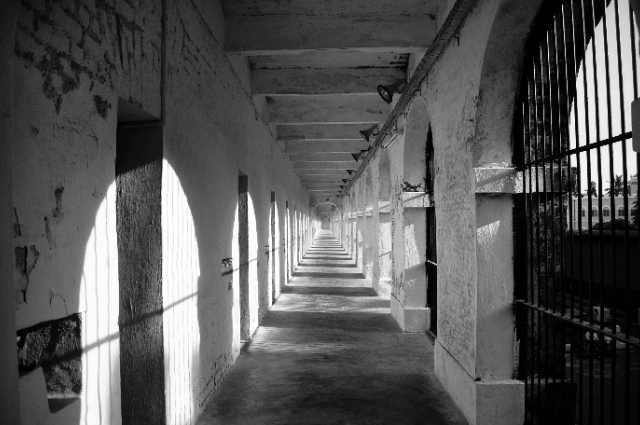
In India, being arrested does not always mean being convicted. Yet for many activists, writers, students, and social workers booked under the Unlawful Activities (Prevention) Act (UAPA), prison becomes a long-term reality even before any court proves guilt. The harsh truth is that under this law, the process itself often turns into punishment. Years can pass in jail while cases crawl slowly through the system, and bail, which is normally considered a right in many criminal matters, becomes incredibly difficult to obtain. This situation has raised serious debates about civil liberties, state power, and the fine line between national security and personal freedom.
UAPA was originally passed in 1967 to deal with threats against the sovereignty and integrity of India. Over the decades, especially after amendments in 2004, 2008, and 2019, the law became much stricter. It allowed authorities to declare individuals as terrorists, not just organisations, and made arrest provisions stronger. The intention was to fight terrorism effectively. However, critics argue that the same strict provisions have also made it possible for people to remain behind bars for long periods without a conviction.
The biggest issue lies in the bail provisions. Under normal criminal law, courts usually grant bail unless there is a strong reason not to. But UAPA changes this completely. Section 43D(5) of the Act makes bail extremely difficult. If the court believes that the accusation against the person appears “prima facie true,” bail can be denied. This creates a situation where the evidence does not need to be fully proven,+++ and even the initial version presented by the investigating agency can be enough to keep someone in jail. As a result, many accused individuals spend years waiting for trial, which itself moves slowly due to complex investigations and overloaded courts.
Several well-known cases have brought this issue into public conversation. Student activists, journalists, and professors have been arrested under UAPA in connection with protests or alleged links to banned o. Some of them spent years in prison before being granted bail, and some are still waiting for their trials to even begin. In many such cases, courts later observed that the evidence was weak or insufficient. But by the time that realisation came, the individuals had already lost years of their lives behind bars.
Statistics also show a troubling pattern. According to data from the National Crime Records Bureau (NCRB), the conviction rate in UAPA cases has remained relatively low compared to the number of arrests. This means that many people arrested under the Act are not ultimately proven guilty. However, because bail is so difficult to obtain, they remain in jail for long periods anyway. Legal experts often say that this reverses the basic idea of justice. You know, instead of being innocent until proven guilty, the accused ends up living like a convict while still awaiting trial.
The Supreme Court of India has, at times, acknowledged these concerns. In some judgments, the court has emphasised the importance of personal liberty and reminded lower courts that long imprisonment without trial cannot be justified. In recent years, a few activists were granted bail after spending years in custody, with the courts noting delays in trial and a lack of strong evidence. But such relief usually comes after a long legal battle and not everyone has the resources or support to fight that fight.
Another reason bail becomes difficult is the nature of the accusations. UAPA cases are linked to national security, terrorism and unlawful activities. Because of this, courts tend to be cautious. The fear of letting out someone who might be involved in serious crimes often makes judges lean toward rejecting bail pleas. While this caution is understandable, it also means that even individuals with minor or unclear roles may remain in jail simply because the law leaves very little room for leniency.
For families, the impact is devastating. When a person is jailed for years without conviction, it affects their income, mental health and social life. Children grow up without parents, elderly parents lose support, and the stigma of being linked to a terrorism case stays in society even if the person is later found innocent. The emotional and financial burden becomes a silent punishment that extends far beyond the prison walls.
At the same time, it is also important to recognize that UAPA exists for a reason. India has faced real threats from terrorism and extremist violence. The state needs strong laws to deal with such dangers. But the debate today is not about removing the law; it is about ensuring that it is not misused. Many legal scholars and human rights groups argue that a balance must be maintained so that the law protects national security without crushing individual freedom.
The real concern is the gap between arrest and justice. When trials take too long, and bail remains nearly impossible, prison turns into a waiting room where people lose years of their lives. Justice delayed is not just justice denied; it can become a form of silent punishment. If a person is eventually found not guilty, no court can give back those lost years.
In recent times, discussions around reforming bail provisions have grown stronger. Some legal experts suggest clearer guidelines, faster trials and periodic reviews of long-term undertrial prisoners. These steps could help ensure that the law remains strict against real threats but fair toward those whose guilt is not yet proven.
The story of jailed activists under UAPA is not just about law and policy; it is about the human cost of waiting. It is about the tension between security and freedom. And it raises a simple but powerful question: if a person has not yet been proven guilty, how long is it fair to keep them locked away?
. . .
References: