
Over the past several weeks, Maharashtra's Food and Drug Administration (FDA) has moved aggressively on issues that, on the surface, look unrelated — fake paneer, contaminated cough syrup, and junk food near schools. But look closer, and a pattern emerges: this isn't a single crackdown triggered by one scandal. It's regulatory catch-up on three separate problems that had been building for years, all surfacing in the same season.
The Paneer Problem
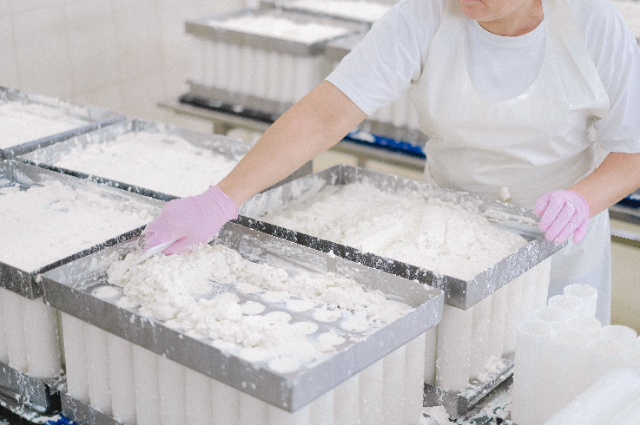
In early August 2026, the Maharashtra government imposed a one-year statewide ban on the manufacture, storage, transport, distribution and sale of “analogue paneer” — a cheaper, non-dairy substitute made from vegetable oils, starches and emulsifiers instead of milk fat. The trigger was hard to ignore: of 308 paneer samples collected across the state between April 2025 and March 2026, 109 (35.4%) failed to meet prescribed standards, including 79 rated sub-standard and 30 classified as outright unsafe for consumption.
The core issue wasn't just that analogue paneer existed — it's that it was frequently sold to unsuspecting customers as the real thing, without labelling, invoices or traceability documents, at restaurants, sweet shops and retail counters across the state. Officials framed this as much a matter of consumer deception as of food safety, since existing labelling rules hadn't stopped the product from being passed off as genuine dairy paneer despite repeated inspections and awareness drives.
The ban has teeth: violators face imprisonment and financial penalties, and the FDA has followed it with a wider statewide enforcement sweep — inspecting manufacturing units, warehouses, wholesale markets and retail outlets, with seizures and prosecutions already under way.
A Reputational Shock: Parsi Dairy Farm
The paneer crackdown intersected with a separate, more symbolic episode in mid-July 2026, when the FDA suspended the food business licence of Mumbai's 110-year-old Parsi Dairy Farm after an inspection of its Marine Lines manufacturing facility. Unlike the analogue paneer cases, this wasn't about adulteration — inspectors instead found mould growth in milk production areas, poor pest control, no effluent treatment system, incomplete medical records for food handlers, inadequate protective gear, and missing best-before and expiry dates on products.
The suspension landed hard precisely because of the brand's reputation: Parsi Dairy Farm had built its identity on old-fashioned purity, and its paneer sales had reportedly even spiked during an earlier nationwide paneer-adulteration scare as consumers sought a “safe” brand. The outlet reopened roughly two weeks later after remedial action, but the episode became emblematic of a wider statewide drive — led by FDA Commissioner Tukaram Mundhe — that also hit several well-known Mumbai eateries and the century-old ice-cream parlour K. Rustom & Co. over hygiene lapses, alongside seizures of adulterated or mislabelled dairy products worth crores of rupees in Goregaon, Govandi, Mulund, Palghar and Vasai.
Cough Syrups and an Unresolved National Problem
Maharashtra's pharmaceutical enforcement traces back to a genuinely national tragedy: in October 2025, at least 20 children died in Madhya Pradesh's Chhindwara district and neighbouring areas from suspected kidney failure linked to Coldrif Syrup, made by Tamil Nadu-based Sresan Pharmaceuticals. Testing found one batch contained diethylene glycol (DEG) — a toxic industrial chemical — at nearly 49% concentration, roughly a hundred times any tolerable level.
That discovery triggered a wider screening of cough syrups nationally, and it caught two more products: Respifresh TR (manufactured by Rednex Pharmaceuticals) and Relife Syrup (manufactured by Shape Pharma), both Gujarat-based, which were found to contain DEG above permissible limits. Maharashtra's FDA formally prohibited the sale, distribution and use of the specific affected batches under the Drugs and Cosmetics Act, instructing pharmacists and medical practitioners statewide not to sell or dispense them, and directing licensees to report any stock immediately. Other states, including Telangana, issued parallel stop-use alerts for the same two syrups.
The recurrence is the real story here: DEG contamination in Indian-made cough syrups has now caused child deaths in multiple incidents over the years, and the same chemical keeps turning up in different manufacturers' products. That points less to a one-off criminal lapse and more to persistent, unresolved gaps in how excipients and raw materials — particularly propylene glycol substitutes — are sourced and tested across the pharmaceutical supply chain.
Getting Ahead of the Next Problem: Junk Food Near Schools
The third strand is preventive rather than reactive. In late July 2026, the FDA banned the sale, advertisement and free distribution of high-fat, salt and sugar (HFSS) foods within school premises and up to 50 metres of school compounds, covering roughly 1.08 lakh schools and about two crore students statewide. The order also bars junk-food branding, banners and logos near schools, and prohibits coupons or free samples aimed at attracting students.
Commissioner Mundhe tied the move to a broader “Safe Food, Safe Maharashtra” push, which includes mandatory licensing for school kitchen operators and suppliers, annual food-safety inspections and sampling at every school, and a requirement for vendors to display licence details and nutritional information. It follows years of public health advocacy for clearer front-of-pack nutrition labelling in India, and reflects a shift from simply testing food after the fact to trying to shape what's available to children in the first place.
The Bigger Picture
None of these three threads started as a single investigation, and they don't share a common villain. What they share is timing and a common regulator finally acting on data and complaints that, in some cases, had been accumulating for years — 35% of paneer samples failing standards, DEG contamination recurring across manufacturers, and junk food sitting unregulated outside school gates. Seen together, it looks less like Maharashtra's FDA discovering a crisis and more like enforcement finally catching up with problems the system already knew about.
Sources
- Free Press Journal, "Maharashtra Govt Bans Analogue Paneer For One Year After 35.4 Per Cent Of Samples Fail FDA Quality Tests" (Aug 6, 2026)
- Pune Pulse, "Maharashtra Bans Analogue Paneer for One Year: What Consumers Need to Know" (Aug 6, 2026)
- Business Standard, "FDA suspends licence of Mumbai's famed Parsi Dairy Farm over hygiene issues" (Jul 16, 2026)
- Free Press Journal, "Mumbai's Iconic Parsi Dairy Farm Reopens Days After FDA Suspended Its Licence" (Jul 29, 2026)
- Gulf News, "Telangana issues public alert for two more cough syrups as toll rises to 20"
- Tribune India, "Maharashtra FDA flags Coldrif syrup batch linked to child deaths"
- Maharashtra FDA, Prohibition Order for Respifresh TR and Relife Syrup (Oct 7, 2025) — fda.maharashtra.gov.in
- Business Standard, "Maharashtra FDA enforces junk food ban within 50 metres of schools" (Jul 29, 2026)
- The Print / PTI, "Sale of food and beverages high in fat and sugar banned near premises of schools in Maharashtra: FDA" (Jul 30, 2026)