
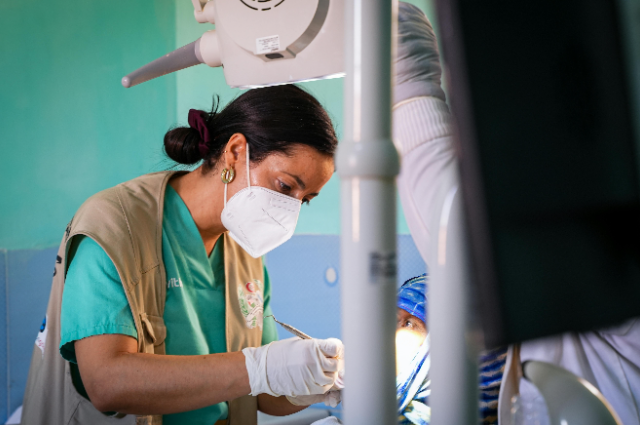
Most Doctors build careers; yet this couple dismantled theirs with deliberate defiance.
In an era where success is measured by wealth, high-ranking positions, and city life, Dr Ravindra Kolhe and Dr Smita Kolhe chose the opposite path. They moved deep into the forests of Meghat, Maharashtra, where roads end, and government presence fades into quiet. What followed was not just a medical practice, but a quiet, determined stand against what modern ambition values most. Their story matters not only because of the lives they saved, though there were many, but also because of what they chose to leave behind.
Journey of the Forest’s Physician
Dr Ravindra Kolhe was born in 1960 in Shegaon, a temple town in Maharashtra. His trajectory shifted when he moved to Wardha and enrolled at JB Science College, where the philosophies of Mahatma Gandhi and Vinoba Bhave left an indelible mark on him. After earning his MBBS in 1982 from Nagpur Medical College, he started working as a House Officer from 1984 to 1985. Although he could have easily secured a comfortable position at a city hospital, fate had other plans. A book titled Where There Is No Doctor by David Werner, a Spanish revolutionary, redirected the course of his life. It awakened him to a stark truth that healthcare in India was not merely about sophisticated hospitals but about reaching those who had no access to even rudimentary treatment. On October 30, 1984, when Dr Kolhe was just 23 years old, he went searching for the ideal village and travelled through Andhra Pradesh, Karnataka, and Maharashtra, and finally identified Bairagarh in Amravati district. Before relocating to Bairagarh, a remote village in the Melghat region, in February 1985, he spent six months in Mumbai preparing himself for austere conditions, like learning to deliver babies without proper medical infrastructure, diagnose pneumonia without the aid of X-rays, and treat common ailments like diarrhoea with meagre resources. Kolhe, during his practice, on the thirteenth day, was confronted by his own inadequacy when a patient who lost his arm in a blast paid a visit to him. This realisation that he could not handle surgical emergencies made him return to Nagpur to complete his postgraduate training. In 1986, Kolhe enrolled in GMC for an MD in Preventive and Social Medicine, and after earning his degree in 1988, he decided to marry before venturing back to Bairagarh.
The Real Tie that Binds
Dr Ravindra Kolhe’s personal life was shaped by the same uncompromising clarity that guided his professional choices. When he decided to marry, he set four clear conditions: his future partner must be willing to walk forty kilometres to Bairagarh, agree to a court marriage costing no more than ₹5, live on a monthly budget of ₹400, and, if necessary, even beg to help others. Many considered these demands unreasonable—some even called them extreme—until Dr Smita, an Ayurveda and Homoeopathy practitioner and former Akhil Bharatiya Vidyarthi Parishad (ABVP) worker from Nagpur, accepted them without hesitation. Their 1989 marriage was more than a personal union. By joining him as Bairagarh’s second medical practitioner, Dr Smita matched his commitment, proving that genuine service requires noble intentions and consistent, daily effort.
From Outsiders to Kin
The true turning point of their journey emerged from a profoundly personal crisis. When their newborn son fell critically ill, the unanimous advice from those around them was to rush him to a city hospital, where superior facilities and specialists awaited. Yet Dr Smita made a decision that would forever redefine their bond with the community; she chose to treat her child in the very same village, using the identical scarce resources available to every local parent. She declared, “I will treat my child here, the same way you treat yours,” which dissolved every lingering barrier between the doctors and the villagers. Until that moment, they were well-intentioned outsiders offering aid, but after it, they became the very flesh and blood of the community. Trust, which ordinarily requires years to cultivate, was forged overnight through a single searing act of shared vulnerability and unwavering solidarity.
Healing Melghat from the Ground Up
The impact of the physician pair’s work on healthcare in the region has been nothing short of transformative. When they first arrived, Melghat was plagued by dire health crises. Especially among its youngest inhabitants. Yet through years of unwavering effort, they achieved a dramatic decline in mortality rates. The infant mortality rate plummeted from 200 per 1000 live births to just 40, while the preschool mortality rate fell from 400 per 1000 to 100. Their philosophy of care was both simple and profoundly effective. They charged only ₹1 for treatment, ensuring that even the destitute could access medical attention without fear while operating a government ration shop, addressing basic nutritional deficiencies alongside clinical care. What truly distinguishes the medical duo is their recognition that the diseases afflicting Melghat were not isolated medical anomalies but simply manifestations of deeper socio-economic fractures. Dr Ravindra Kolhe observed that many deaths stemmed not solely from illness but from conditions such as chronic poverty, inadequate clothing, and prolonged unemployment. People perished from pneumonia only because they lacked sufficient warm garments during winter, whereas malnutrition flourished as a direct consequence of seasonal joblessness.
Rather than confining themselves to clinical treatment, the Kolhe couple expanded their mission into domains such as agriculture and livelihood generation. Dr Ravindra redirected his efforts towards mastering agriculture practices at the Dr Panjabrao Deshmukh Krishi Vidyapeeth (PDKV) Institute, Akola, in tandem with veterinary science from his friend. He developed fungus-resistant seed varieties, introduced improved farming techniques, and organised educational camps to teach young residents about sustainable agriculture and available government schemes. In 2005, the Kolhe family, along with their elder son, began farming on their own, focusing primarily on soya plantation. They introduced profit-oriented farming for the villagers and brought contemporary cultivation practices for cash crops such as ginger, garlic, turmeric, and watermelon. They also progressed into forest conservation and helped farmers predict impending droughts. Another remarkable dividend of this holistic approach was the PDS (Public Distribution System) by the Kolhe family, which ensured there was enough food for everyone at the time of rains, thus transforming Melghat from a district once notorious for farmer suicides into a suicide free zone. This remarkable shift underscored enduring change, addressing the root causes of suffering, not merely palliating its symptoms. Yet the transformation of Melghat did not stop at health and agriculture, for infrastructure proved equally vital to that very mission. When Nitin Gadkari, then Minister of Road Transport and Highways of India, offered to construct a personal residence for the Kolhes, Dr Smita made a strikingly different request. Instead of seeking private comfort, she asked for better roads and reliable connectivity for the entire region, which proved pivotal for unlocking better access to healthcare, education, and markets. Today, Melghat boasts proper roads, steady electricity, and 12 primary health centres. These developments have drastically elevated the region’s quality of life while ensuring that progress remains sustainable for generations to come.
Recognition & Legacy
The legendary contribution of the duo has not faded into obscurity. In 2019, they were awarded the Padma Shri, one of India’s highest civilian honours, in recognition of their selfless and tireless service. They also appeared on a special Karamveer episode of Kaun Banega Crorepati in 2020, bringing their inspiring story to an audience far beyond the forests of Melghat. Besides this, their remarkable journey has been chronicled in books such as Melghatavati Mohracha Gandhi by Mrunalini Chitale and Bairagarh by Dr Manohar Naranje, guaranteeing that their story endures for generations yet to come.
The story of this husband-wife challenges notions of success and service in a world that often prioritises personal accumulation. Their decades-long journey reminds us that true impact is measured not by the comfort one amasses but by the number of lives one elevates.
References:
- https://timesofindia.indiatimes.com
- https://coffeeandconversations.in
- https://pmc.ncbi.nlm.nih.gov
- https://www.facebook.com
- https://www.ndtv.com
- https://thebetterindia.com
. . .