
Image by Franz P. Sauerteig from Pixabay
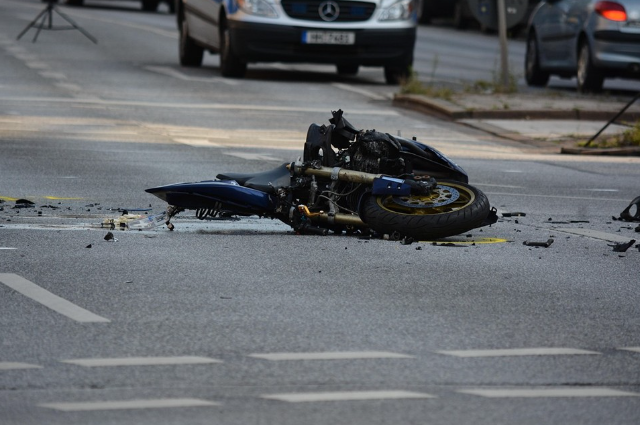
It was a normal evening, and the roads were crowded with people returning home after a long day. Vehicles were moving continuously, horns were honking, and everyone seemed busy in their own world. Some were talking on their phones, some were thinking about their work, and others were just tired and wanted to reach home quickly. Everything felt usual and routine. But in just a few seconds, something unexpected happened. A young man met with a serious accident and fell on the road, badly injured and unable to move.
At first, only a few people noticed him. They slowed down and looked at him with surprise. Soon, more people gathered around. Within minutes, a crowd had formed. But instead of helping him, most people just stood there and watched. Some looked confused, some looked scared, and some didn’t know what to do. Then, one person took out his phone and started recording. Slowly, others did the same. Many people began taking videos and photos, not to help, but to share them later on social media.
The young man was still alive. He was breathing with difficulty, and his body was weak. Blood was flowing from his injuries, and he was clearly in pain. His eyes were open, and he was looking around, hoping someone would come to help him. He could not speak, but his eyes were asking for help. Maybe he believed that someone in that crowd would take him to the hospital. Maybe he trusted that people would not leave him like that. But no one stepped forward. Everyone kept waiting for someone else to act.
Fear slowly became stronger than kindness. A woman covered her face with her scarf and moved away because she was scared. A man said, “Someone else will take care of it.” Another person warned the others not to get involved, saying it could become a police issue. Hearing this, people became even more hesitant. No one wanted to take responsibility. They were worried about problems, not about the life in front of them. One by one, people chose to stay back instead of stepping forward.
Time kept passing, and every minute was important. The young man was losing his strength. The crowd was still there, but no real help came. Some people got bored and left. Others stayed, but only to watch. The sound of traffic continued, and life around went on as if nothing serious was happening. It was a painful moment, showing how people can ignore a situation when they feel it is not their duty. The young man needed help immediately, but he did not receive it.
After a long delay, an ambulance finally arrived. By that time, the young man was no longer moving. The medical staff quickly lifted him and took him to the hospital. But it was already too late. He could not be saved. What could have been a chance to save a life turned into a loss. A young life ended, not just because of the accident, but because help did not come at the right time.
After the ambulance left, the crowd slowly disappeared. People went back to their normal lives. Some checked their phones and watched the same videos they had recorded. A real and serious moment had become just another video. Instead of remembering the pain of that moment, people treated it like content. This shows how much our priorities have changed. We care more about recording something than actually doing something.
This situation makes us think deeply. When did we become like this? When did we start choosing comfort over helping others? Today, we are connected to people all over the world through technology, but we are becoming less connected to the people around us. We are quick to take photos and videos, but slow to take action. We want to share everything online, but we forget to show basic kindness in real life.
That young man did not die only because of his injuries. He died because help did not reach him in time. He died because people stood there and did nothing. His life could have been saved if someone had acted quickly. Sometimes, just a small step can make a big difference. Calling an ambulance, asking for help, or taking the person to the hospital could have saved him.
What if even one person had decided to help without fear? What if someone had taken responsibility instead of waiting? Things might have been different. A family might not have lost their loved one. A life could have been saved. These thoughts stay with us and remind us of what we failed to do.
In the end, change in society starts with each one of us. We cannot always depend on others to act. Saving a life does not require special skills or great power. It only needs a kind heart and a quick decision. The next time we see someone in trouble, we should not just stand and watch. We should act. Because one day, we might be in the same situation, hoping that someone will help us. And in that moment, what matters is not how many people are watching, but whether someone cares enough to act.