
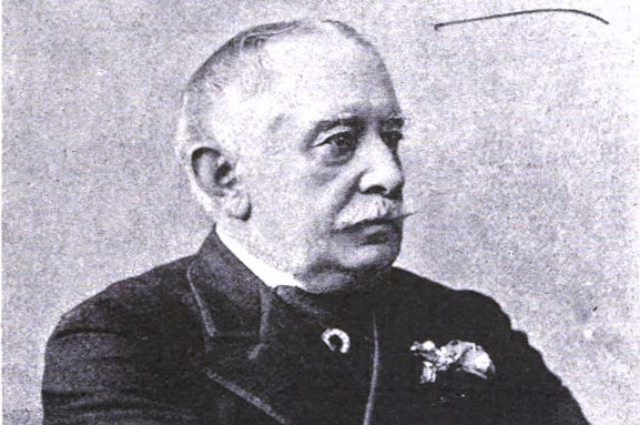
William Howard Russell, born on 28th March, 1827, was an Irish reporter who worked for The Times. He is considered one of the first modern war correspondents. He reported directly from the Crimean War. Those reports showed the actual situation of the war, the real truth behind wars, and they really helped lots of people who were at home know and understand what the soldiers were going through there.
While the government painted war as glorious, Russell saw soldiers dying of cholera, freezing without proper equipment, and being sent to their deaths by incompetent commanders—the opposite of what people had been told about war for many years. His brutal, honest dispatches shocked Britain, toppled a government, inspired Florence Nightingale, and permanently changed how the world reports war.
Very few dare to go against the norms that people fear and bring the truth before the world. Though there might be an unknown fear of telling the truth, it needs courage, determination, and the intention of justice to let the world know the truth and not let the wrong hide the reality from the world, which always comes out.
Russell was a highly significant figure in the history of war journalism. He made reporting on conflicts the main goal of his career, and he is known as a war correspondent.
Russell went to Trinity College Dublin in 1838, but he left in 1841 without a degree. In various ways, Russell's fate took him to the world of journalism. Later, he moved to London and studied for the bar, also qualifying as a barrister in 1850. Still, he continued to write for The Times and gradually became recognised as the most capable journalist when it came to war reports.
It is the Crimea war that gave Russell the greatest recognition. By February 1854, it seemed more probable that a war with Russia would happen. And the editor of The Times, John T. Delane, told Russell to accompany the army to the “seat of war” in the East; they thought the war would end soon, and he would come before Easter. Russell agreed; he travelled to Varna in Bulgaria, then to the Crimean Peninsula itself, but he could not return for nearly two years(1853-1856).
Russell realised that what the official reports sent from Crimea were absolutely different from reality. He used the new telegraph system and operated without any censorship. He saw the severe suffering faced by the soldiers.
It was the first time when people were actually aware of the realities of war. The Crimean War was poorly managed; soldiers suffered from disease, poor medical care, and the war cost much more money than it should have. The reports of William Howard Russell caused widespread public anger and shock. Evidently, that also caused serious embarrassment and difficulty for the politicians in charge. It’s also believed that Russell’s reports exposed the government’s failures, which caused the fall of Lord Aberdeen’s government in 1855.
Russell also continued to work for The Times after the Crimean War; he also had a journalistic assignment in India. He reported the brutal methods being used to suppress the Indian Mutiny in 1857. Russell was one of the significant writers, and is well known for accurate journalism. Russell died in London in 1907; a memorial bust of William Howard Russell was placed in the crypt of St Paul’s Cathedral to honour him. It describes him as: “The first & greatest of war correspondents.”
War is never desired. It is harmful to people, society and nations. But some people glorify it, and they have the goal or objective to continue it at any cost. Because for them, power is most important: power, control, authority and the happiness of ruling the world have no comparison.
No matter what, if a huge amount of funds is wasted by the country due to war, they do not care about the loss of human life because it is nothing to them, as this is just a number; they can be replaced. Who will care about that! Property destruction, damage to natural resources, and pollution are all serious issues that last for many years. It slows economic growth and development. Many people are forced to leave their homes and become refugees. War causes trauma, stress and long-term mental health problems. Food & water shortages, environmental damage, disruption of education and work, loss of cultural heritage- who will take responsibility? People die without food and shelter; the list is long. Wars can weaken governments & create long-lasting conflicts.
The main issue here is the misuse of power. War is, and should always be, the last option to solve any problem. Recovery takes much more time; it is easier and takes only a few moments to destroy than to build and sustain.
References:
- https://www.maynoothuniversity.ie
- https://research.kent.ac.uk
- https://en.wikipedia.org/wiki/Crimean_War