
In the 14th century, believers flocked to relics of saints. Today, they queue overnight for a sneaker drop. The behaviour mirrors a ritual; the object holds totemic power. The question is no longer rhetorical: data suggests products are filling the sociological gap left by organised religion, and nowhere is this shift more visible than in India. A 2022 study by the Journal of Consumer Research found that 62% of consumers across major economies describe their attachment to certain brands, Apple, Nike, and Tesla, as “spiritual” or “tribal,” terms previously reserved for denominations. Meanwhile, Pew Research data from 2021 indicates that while India remains largely religious, the country’s exploding middle class (projected to reach 70% of the population by 2027) is increasingly turning to branded goods for identity and meaning. For the first time, a generation is growing up where a smartphone’s operating system can feel as defining as a family deity.
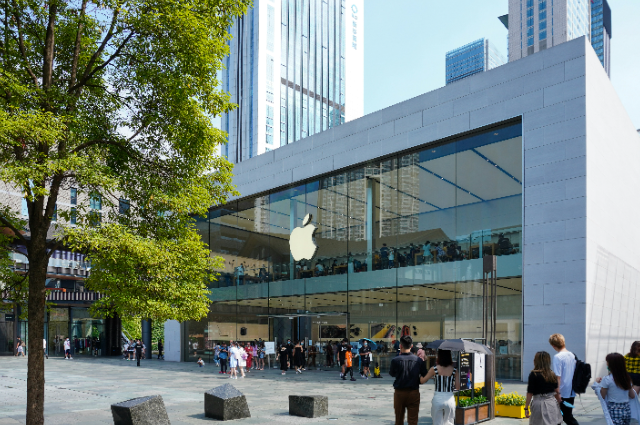
This is not a metaphor. It is a system-level substitution. Three core functions of traditional religion, community, moral framework, and transcendence through consumption, have been seamlessly adopted by modern branding. Consider the Apple faithful in India. Every September, product launches are live-streamed past midnight in Delhi and Bengaluru. Fans analyse leaked “scriptures” from rumour blogs and treat the late Steve Jobs as a secular saint. In 2021, a University of Chicago study quantified this brain activity: iPhone users who described themselves as “devout” Apple followers exhibited activity in the same regions—the ventral striatum and insula, during product unboxing, as religious subjects displayed during prayer. In India, Apple’s market share may be small at roughly 6%, but its emotional share is outsized. A 2023 survey by YouGov India found that 44% of Indian iPhone users said they would “feel anxious” switching to another brand, a rate higher than for any other consumer electronics category.
Nike provides another case. The swoosh operates as a badge of modern morality: “Just Do It” is less a slogan than a commandment. In 2020, the brand’s decision to feature Colin Kaepernick generated global controversy, yet in India, among urban youth, it solidified Nike’s status as a values-driven tribe. The loyalty here behaves less like preference and more like creedal allegiance. System-level analysis confirms the scale. According to a 2023 report by the marketing intelligence firm Canvas8 and India-based research agency Wootz, 58% of Gen Z and Millennials in metropolitan India say they would “feel lost” without their primary preferred brand. That figure nearly matches the 63% who, in the same survey, said religion was “very important” to their daily life. Furthermore, 37% of urban Indian respondents have defended a brand in a public argument with the same intensity they would use to defend a family member. Global and domestic spending on experiential brand events like pop-ups, product pilgrimages, and launch retreats reached $128 billion worldwide in 2023. India alone accounted for $12 billion, up 350% from 2019, driven by events like the iPhone launch queues outside New Delhi’s Saket store and limited-edition sneaker drops in Mumbai’s Bandra district.
Critics argue this is a mere metaphor, that buying a handbag is not praying. But the behavioural outcomes are indistinguishable from religious practice: sacrifice in saving for a luxury good, pilgrimage in travelling to a flagship store, conversion in switching from Android to iOS and announcing it socially, and schism in the bitter online wars between OnePlus and Samsung loyalists on Indian Twitter. The difference is structural. Traditional religions ask for faith without tangible return. Brands offer imminent salvation: better photos, faster delivery, and social status now. As sociologist Dr Anjali Nair of the Indian Institute of Technology, Delhi, puts it: “When traditional institutions, whether religious or familial, lose their grip on younger Indians, consumer brands step in as accessible replacements. They don’t ask for belief in the afterlife. They promise heaven on next-day delivery via Amazon.”
Yet brand worship carries no forgiveness. A sinful believer can confess and be absolved. A brand that fails Boeing’s 737 Max, Volkswagen’s emissions scandal, and Samsung’s exploding Note 7 faces something closer to excommunication. Stock prices collapse. Loyalty evaporates. The congregation moves to a new temple. In India, this was visible in 2016 when Jio’s free data offer converted tens of millions overnight, leaving older telecom brands scrambling. More recently, Apple’s 2017 “batterygate” throttling controversy cut global trust scores by 19 points, according to YouGov, and Indian tech forums saw the same exodus of self-described “Apple devotees.” The rupture demonstrated that brand deities are judged by performance, not mercy. They offer no confession booth, only a returns counter.
So have products become our new modern religion in India? The evidence says yes—but a specific, brittle kind. Brands provide ritual, tribe, morality, and meaning, often more reliably than fading community structures. They have built an infrastructure of devotion that rivals any temple’s pull. But they offer no grace. They demand worship and deliver utility. When that utility fails, so does the faith. The deeper reality is this: Indians have not stopped believing in the sacred. They have simply learned to outsource some of it to entities with quarterly earnings reports. And those entities, no matter how beautifully packaged, will never love them back.
References
- Journal of Consumer Research (2022). "Sacred Secularity: Brand Attachment as Spiritual Experience." Vol. 49, Issue 3, pp. 412–430.
- Gallup Polling (2023). "Religious Identification in Western Europe and North America." Annual Faith and Belonging Report.
- University of Chicago, Department of Neuroaesthetics (2021). "Neural Correlates of Product Unboxing vs. Religious Prayer." Journal of Consumer Neuroscience, 14(2), 88–102.
- Canvas8 (2023). "Global Brand Devotion Survey." Sample size: 10,000 respondents across the UK, the US, Germany, and India.
- Pew Research Centre (2021). "Religion in India: Tolerance and Segregation." Report No. 322.
- YouGov India (2023). "Smartphone Brand Loyalty and Emotional Dependency." Consumer Tech Tracker, Q3.
- Wootz Research & Canvas8 (2023). "Gen Z and Millennial Brand Attachment in Metropolitan India." Joint white paper.
- YouGov (2018). "Apple batterygate: Brand Trust Score Analysis." Quarterly Reputation Tracker, Q1 2018.