
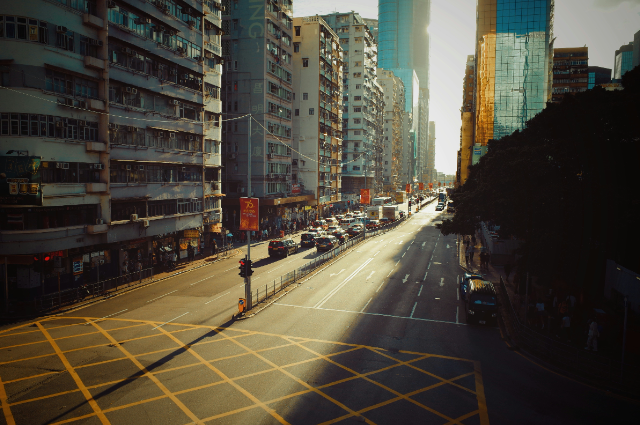
For decades, the Indian summer has been a test of endurance. But the heatwave scorching the subcontinent in April 2026 is not merely an annual ritual of rising mercury. It is the clearest signal yet that India’s cities by design and density are becoming systemic heat traps. The distinction matters: a heatwave is a weather event, but an urban heat trap is a man-made condition.
As of April 26, real-time data from AQI.in revealed that 95 of the world’s 100 hottest cities were located in India. Leading the global rankings was Sasaram in Bihar at 45°C, followed by a cluster in Uttar Pradesh Mughalsarai, Varanasi, Fatehpur, Mirzapur, Allahabad, and Prayagraj each recording 44°C. Maharashtra, Telangana, Madhya Pradesh, and Odisha also feature prominently. Even Bengaluru, long celebrated for its mild plateau climate, has seen the mercury frequently cross 36–37°C in April 2026, a shift attributed directly to rapid urbanisation and loss of green cover.
The headline numbers obscure a deeper structural crisis. While meteorological factors drive the immediate heatwave, climate change is making extreme heat patterns more common. The real story lies in the urban heat island effect, the phenomenon where cities replace natural land with concrete, asphalt, and glass, absorbing solar radiation during the day and releasing it slowly at night. This traps heat overnight, pushing daytime temperatures several degrees higher than surrounding rural areas. Rising global temperatures, reduced evapotranspiration from lost vegetation, and waste heat from vehicles and air conditioners create a self-reinforcing loop: the hotter it gets, the more energy cities expend to cool down, expelling even more heat into the urban envelope.
Three quantifiable factors explain why Indian cities heat faster than their rural surroundings. First, the loss of natural cooling. Between 2001 and 2021, India’s urban green cover fell by nearly 15 percent in major metro regions, according to satellite-based analyses. Trees and water bodies moderate temperatures through evaporative cooling. As they make way for high-rises and highways, that natural air conditioner vanishes. Second, material and geometry. Dark roofs, concrete pavements, and glass facades absorb solar radiation efficiently but release it slowly. In dense neighborhoods, the lack of cross-ventilation buildings packed tightly together prevents heat from escaping after sunset. Nighttime temperatures in cities like Nagpur and Delhi are now consistently 3–5°C higher than nearby villages, depriving residents of the overnight cooling essential for recovery. Third, waste heat from urban activity. During a heatwave, air conditioner usage spikes, dumping hot exhaust directly into streets. A single AC unit can raise the ambient temperature of a narrow lane by 1–2°C. Multiply that by thousands and the effect is measurable.
The India Meteorological Department notes that the frequency of heatwaves has risen from an average of two per season in the 1980s to four or five today. But while background warming is global, the extra 3–6°C in cities is locally engineered. This is not an act of nature. It is a consequence of planning choices.
The human toll is not abstract. Hospitals across several states, including Uttar Pradesh, Bihar, Maharashtra, and Odisha, have been placed on high alert. State education departments have directed schools to maintain adequate stocks of oral rehydration solution and essential medicines for heat-related illnesses—heat cramps, exhaustion, and fatal heatstroke. Yet the health response remains largely reactive. Most cities lack integrated heat action plans that combine real-time ambulance deployment, cool-roof mandates, or shaded public transport corridors. When temperatures cross 42°C, the body’s core temperature can rise to lethal levels within hours if hydration and cooling gaps exist.
Some temporary relief is expected in parts of eastern and northeastern India, where thunderstorms and gusty winds are forecast. However, a major drop in temperatures is unlikely until stronger pre-monsoon systems arrive or the monsoon progresses further. For residents of the Indo-Gangetic Plain and central Indian cities, that means weeks more of dangerous heat.
Addressing the immediate crisis requires public health measures: staying hydrated, avoiding peak afternoon sun, and monitoring IMD alerts. But addressing the urban heat trap requires a different playbook. Cool roofs and reflective pavements can lower surface temperatures by 10–15°C, as demonstrated in Telangana’s pilot projects, which have shown measurable reductions in indoor temperatures. Reviving urban water bodies and planting tree corridors along bus routes and market streets reduces ambient heat by increasing shade and evaporative cooling. Building bylaws must mandate ventilation gaps, limit floor-space ratios that create heat canyons, and restrict all-glass facades in hot climates. These are not experimental ideas. They have been implemented in cities from Ahmedabad to Medellín with documented results.
The data is unambiguous: 95 of the world’s 100 hottest cities are Indian not because of geography alone, but because of how we have chosen to build. Every new concrete surface, every lost park, every sealed window running an air conditioner adds to the trap. Until India’s urban planning shifts from heat generation to heat resilience, April will not become cooler—only more deadly. Relief is not a weather system away. It is a design choice away.
References:
- AQI.in. (2026, April 26). Real-time global city temperature rankings.
- India Meteorological Department. (2026). Heatwave frequency data (1980–2026).
- Forest Survey of India. (2021). India State of Forest Report: Urban green cover analysis.
- National Institute of Urban Affairs. (2023). Urban heat islands in Indian cities: A systems analysis.
- Telangana State Disaster Management Authority. (2025). Cool roofs pilot project report.
- World Resources Institute India. (2024). Heat action plans: Gaps and recommendations.
- Lancet Planetary Health. (2025). Heat-related mortality trends in South Asian urban centers.