
The Root Cause: The Iran–Israel–US War
The shortage of liquefied petroleum gas (LPG) since early March in India is becoming an imminent threat. Liquefied petroleum gas (LPG) is a vital resource for households and businesses throughout the country, as it provides energy to kitchens, restaurants, and a large number of small industry operations. What initially seemed to be only a delay in the delivery of LPG cylinders quickly became evident as a major supply chain disruption, illustrating how international geopolitical events can directly impact the daily lives of people in India.
At the heart of this problem lies the ongoing Israel-Iran-United States conflict, which has had a significant impact on shipping in one of the world's primary maritime energy shipping lane that is the Strait of Hormuz, which connects the Persian Gulf to the rest of the world, is one of the world's most important shipping lanes. A significant amount of the world's crude oil and natural gas is shipped between the Persian Gulf and markets around the world through the Strait of Hormuz. More than 80% of India’s liquefied petroleum gas (LPG) also comes through this key maritime route, which has now been affected by this crisis. Therefore, shipping activity between India and the rest of the world has been dramatically reduced due to the heightened geopolitical tensions in the Middle East.
India is one of the largest importers of liquefied petroleum gas (LPG) in the world, and our country heavily relies on the international market in order to supply domestically. Approximately 65% of all LPG used in India (or about 25 million tonnes) is imported each year, meaning there is very little "buffer" or wait time within the supply chain to accommodate any disruptions in production or delivery. This situation was evidenced recently when the global LPG supply fell by 5%, ultimately resulting in widespread shortages across India.
Impact Across the Country
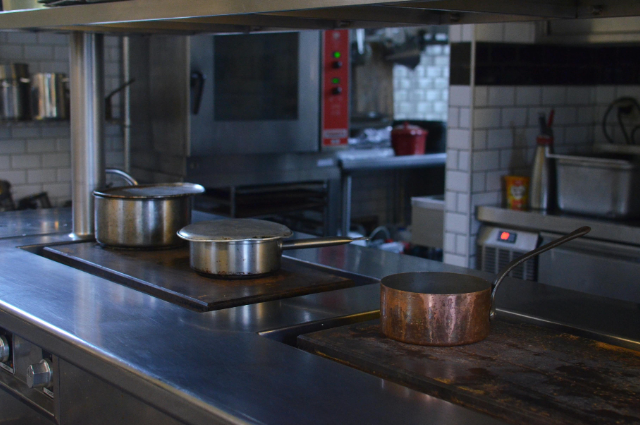
These shortages have been evident in different sectors. The hospitality industry, comprising restaurants and hotels, is one of the worst-hit sectors. The restaurants and hotels association in Maharashtra, Karnataka, and West Bengal have warned that restaurants might be obliged to close their businesses unless commercial LPG supplies are restored in due course. The supply of LPG to commercial units has reduced significantly since the start of March. Cities like Mumbai, Bengaluru, Kolkata, and Chennai are experiencing LPG shortages. In Mumbai, for example, 20% of the total number of hotels and restaurants had to stop their businesses due to LPG shortages. Some restaurants have been forced to reduce their menu offerings or even shift to electric cooking due to LPG shortages.
Residential consumers are also feeling the effects of LPG shortages. Although LPG cylinders are available, delays in their delivery after booking, varying between two and eight days, have become common. These delays are not too long, but they are still creating concern among consumers, particularly those relying on LPG as their sole source of cooking fuel. Similar problems are being faced by small-scale industries, industries like textile processing are heavily reliant on commercial LPG for their processes. The lack of alternative fuels means that the current LPG shortages could slow down or even stop certain processes.
Rising Prices and Black Market Activity
Accordingly, prices are rising with the strengthening of this supply constraint. In early March 2026, the price of a 14.2-kg domestic LPG cylinder rose by approximately ₹60. Commercial cylinders, on the other hand, recorded a higher price hike. These cylinders recorded a price hike of over ₹110.
The worrying factor with this shortage, however, is the rising black market. Sources suggest that a commercial cylinder, which normally sells for approximately ₹1600, has been sold for nearly ₹3000 in Mumbai. In a shocking case, a hotel owner in Andheri reportedly had to pay a whopping ₹6000 for a single cylinder to keep his business running for another day.
The shortage has also caused a chain effect on other sectors where people are seeking alternatives to LPG cylinders; the sales of induction cooktops are rising manifold. Online stores report a rise in sales by over 30 times the usual sales. Even some quick commerce sites such as Blinkit, Zepto, and Swiggy Instamart listed the most sold induction cooktops as “out of stock” due to panic buying. According to industry analysis, the shift to induction cooktops has been huge. In some sectors, the sales of induction cooktops have escalated from 1,000 to 2,000 units a month to nearly 1 to 2 lakh units daily. This is because people are seeking an alternative to LPG cylinders amid fears of a long-term gas shortage.
The shortage has caused other incidents, too, which are not usually highlighted. In March 2026, a commercial LPG cylinder was stolen from a hotel kitchen in the Chalai area of Thiruvananthapuram, Kerala. CCTV footage reportedly recorded a person taking the cylinder from the kitchen. The hotel owner registered a complaint with the local police. Local business owners claimed that such incidents are not common. However, they are more likely to happen when there is a shortage. Commercial cylinders are bound to become highly valued these days.
Government Measures
To achieve a stable condition, the government has taken a series of emergency measures. On the 6th of March, the government used the Essential Commodities Act to step up the monitoring of the distribution of LPG. This measure aims to reduce the level of hoarding. Refineries have been ordered to maximise the production of LPG, and oil companies have been asked to give priority to the sale of the fuel for domestic use. The period of the booking of LPG refills has been increased to 25 days instead of 21. At the same time, the government has taken a series of measures to diversify the source of imported LPG. Imports of the fuel through channels other than the Strait of Hormuz have increased to 70%. This figure was 55% previously. Domestic production of the fuel has also been increased by 10%.
According to the government, India currently has sufficient reserves of LPG to meet the demand for 12 to 16 weeks. However, the current shortage and rising prices of the fuel indicate a failing supply system.
A Continuing Challenge
This LPG scarcity highlights the degree to which India’s own energy security is tied to global geopolitics. A conflict thousands of kilometres away has already affected the entire country’s lives, businesses, and industries. While government actions and new import routes may help to stabilise the situation in the short term, it must be noted that this will be only provisional. A lot of it will depend on the developments in the conflict in the coming weeks. Until then, the LPG scarcity embodies the precarious balance between global energy networks and Indian lives.
References:
- https://indianexpress.com
- https://m.economictimes.com
- https://timesofindia.indiatimes.com
- https://timesofindia.indiatimes.com
- https://www.tribuneindia.com
- https://theprint.in