
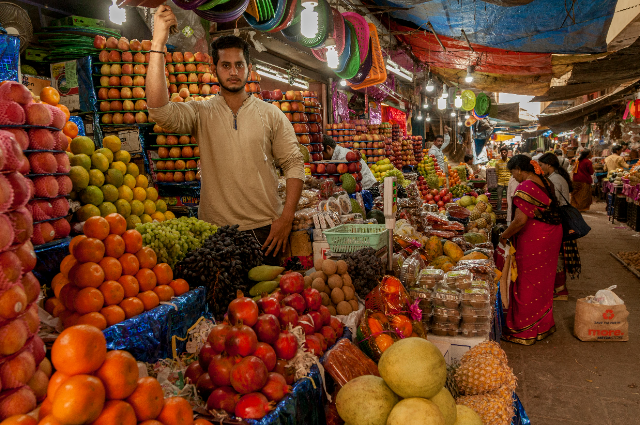
The recent death of all four members of a family shook the entire nation. The cause of death was reportedly food poisoning initially. But what is there to fear so much in this? According to the rumours that have surfaced online, their death was likely due to the consumption of watermelon - India’s most desired nutrient-rich, affordable fruit. From rich to poor and from kids to elders, all prefer this fruit alike, especially in this scorching heat. This is also one of the easily available fruits in India. If such a healthy fruit’s fate is at stake, though in the form of rumours, there is no doubt that it has impacted its sales in the whole nation.
What unfolded that day?
It was just another merry Saturday. Abdullah Dokadia, a 45-year-old mobile accessories trader, along with his wife Nasreen (35), and their daughters Zainab (13) and Ayesha (16), had hosted dinner for 5 of their relatives that night. The cosy warmth of getting together soothed the atmosphere, and delightful laughter echoed in the house, unaware of what awaited. Everyone had Biriyani with content, and very soon, they bid farewell to the guests. But little did the guests know that it was their final farewell.
That night, at around 1 am, the family of four decided to have watermelon before going to sleep. But unfortunately, by early in the morning, at around 5 am, their situation worsened. What was supposed to be a regular, calm morning instead turned into a fearful and anxious one. All four members, one after the other, reportedly experienced severe vomiting and diarrhoea symptoms. Panic spread in the household as their condition worsened at an alarming pace. As their health kept deteriorating further with no signs of improvement, they were rushed to Mumbai’s Sir JJ Hospital. Despite rigorous efforts to save their lives, all four were declared dead. What was left was complete confusion.
The confusion began when speculation arose that the cause of death was likely due to food poisoning at dinner. What was even more perplexing was that the guests, who were hosted by this family the previous night, were completely fine and showed no sign of illness. It was only then that the focus was shifted to the watermelon.
Panic spread quickly across the country, especially through social media, and watermelon sales were severely disrupted. Concerns about fruit adulteration began to escalate. Other factors, like harmful pesticides and fertilisers used in agricultural fields, also added to the fear.
Further investigations
As the investigation intensified, doctors revealed some disturbing findings. They said the vital organs of the members, including the brain, heart, stomach and intestines, had turned green. This, according to the doctors, was something unusual in normal cases of food poisoning. Such discolouration, they say, could be caused by a highly toxic chemical substance. Reports strongly denied the fruit’s connection to the direct cause of death. Instead, it hinted at accidental or intentional poisoning, leading to further confusion.
The eventual forensic reports revealed the presence of morphine in the system of Abdullah Dokadia. This revelation shifted the focus towards multiple angles, including criminal conspiracy. Finally, after more than 54 laboratory tests and eleven days of mystery, things came to a partial conclusion. Reports detected the presence of zinc phosphide — a lethal rat poison- from the victim’s viscera and watermelon samples taken from their residence. News reports state that the family had consumed watermelon laced with this toxic substance. Currently, a probe is on to identify if the poisoning was accidental, intentional or suicidal. Investigations are focused on agricultural fields too, to check if the rodenticide was used while growing the crops.
What is that toxic poison?
Zinc phosphide, a highly toxic rodenticide, is commonly used in India, especially in agricultural fields, to protect the crops from rats and other rodents. This substance, when in contact with moisture or acid, likely releases phosphine gas. This colourless fatal gas results in severe vomiting, breathing difficulties, diarrhoea, and multiple organ failure, eventually leading to death. Doctors state that survival might be possible upon swift medical intervention. But the fatal gas often reacts quickly inside the stomach.
What leaves everyone in despair is that, despite its catastrophic nature, this chemical substance is cheaply available anywhere in India without any restrictions. This poses a threat if the lack of public awareness continues, especially in agricultural fields and densely populated areas.
Role of social media and public awareness
Looks like social media can beat a forest fire, with respect to the pace at which rumours are spread. Jokes apart, it becomes crucial to spread awareness among the general public to use social media the right way. One must never end up believing the fake reports more than one’s knowledge and literacy under any circumstances.
While such platforms are a boon to create awareness and spread information quickly, they pose a threat at the same time. Speculations overtake facts and scientific discoveries. It even went to the extent of disrupting the livelihood of fruit vendors across the nation.
This case clearly exposes the vulnerability of food safety in India. With the increasing use of food preservatives from fields to retail shops, human health is the least considered. Beyond rumours and speculations, this incident also raises questions about the easy availability of life-threatening toxic substances. Whether proved otherwise or not does not reduce public fear. Actions imposing strict food safety inspections and enforcement of safety regulations can prevent similar incidents to a great extent.
References