
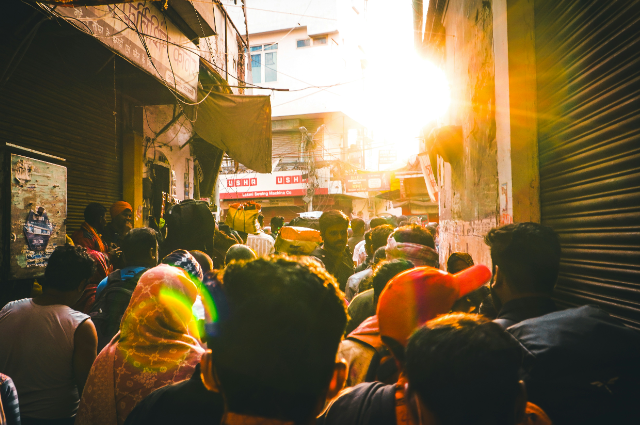
India is one of the leading countries in almost all possible fields. From technology to medicine, from arts to education, and whatnot. But did anyone expect India to lead the list of the hottest cities in the world? Out of the 100 hottest cities in the world, 95 cities are located in India.
Every year, before the onset of summer, all we dream of is juicy mangoes, trips to beaches with our summer hats on, and fun gatherings with friends and family. We used to visualise this season as shown in movies and ads. Over the years, at least to some extent, these expectations turned out to be true. But things took a major turn this year.
With the Indian Meteorological Department already warning several cities of an above-normal temperature surge, India’s peak summer is yet to commence. States like Rajasthan, Uttar Pradesh and Gujarat endure a temperature rise ranging from 42–47 degree Celcius as per reports.
Toll over human health
Deaths due to extreme heat are reported every day all over the country. Sunburns and sun strokes are becoming quite common. People working all day under the sun, especially those involved in delivery and construction activities, remain the most affected. According to reports, Maharashtra alone reported 95 deaths due to extreme heat in just one month. Hospitals and clinics have intensified measures to treat extreme heat-related emergencies as the World Health Organisation warns people to stay cautious during the ongoing summer. India’s Health Ministry advise people to stay alert to the unbearable heat and issued nationwide orders to prepare hospitals in case of a surge. Over time, untreated diseases will result in chronic health conditions, thereby reducing life expectancy.
Ecological effects
A regular summer was enough for India to face water scarcity. This summer, depletion of resources and extreme water crises are highly feared, affecting the entire ecosystem. The Nilgiris, one of the most preferred summer tourist spots, dealt with an intense wildfire, costing many lives and livelihoods. Agriculturally rich and home to many forests, India faces a risk this summer. Lands remain bare, and food security becomes desperately questionable. Forests remain extremely vulnerable to forest fires and loss of a major part of biodiversity in India. Urban cities, too, do not escape the heat waves as the work atmosphere gets harsher, and an increase in demand for cooling puts regular life at stake.
Electricity usage and war
Not only the summer but the ongoing West Asian conflict also has its part in rising tensions in India. A major disruption in crude oil and Cylinder availability is making situations worser. Switching to ACs and coolers does not seem affordable anymore. Earlier summer nights had brought some sort of relief during power cuts in India, but now nights are equally hot, disrupting lives in Indian households. Sleeping seems impossible, and exhaustion adds fuel to the fire. Minimum requirements like cold water and other chilled foods requiring the use of refrigerators are also difficult to acquire. Our lives become difficult not only without mobile phones, but also without electricity.
Unprecedented Shifts
It was never the extreme heat that was surprising. The sudden shifts, like a hailstorm in Bengaluru and heavy showers in Kerala’s coastal regions, also left everyone in awe. One day it burns, the next day ice falls. The Indian Meteorological Department confirms that the unusual hailstorm in Bengaluru was due to extreme evaporation. Though it brings temporary relief, it also triggers warnings of a global climate change pattern and extreme weather conditions in the upcoming years. Unusual climatic conditions instil fear of ecological shifts leading to disruption to human and animal lives. Migration patterns are highly affected, and the natural habitats are in chaos. Such unpredictability makes taking precautions also impossible.
Fear of the future
If this is how the current summer looks, then what about the upcoming years? If the current situation continues, the real concern will never be about battling the weather conditions, but battling for life itself. Instead of adapting, one must think of conservation strategies to make life possible on Earth in the future. This summer underscores the urgent need for control over global warming. Indirectly, it affects our country’s economy. Extreme conditions affect a country’s production activities, thereby leading to income shortages and an overall economic downfall. Prices can go up for all the basic everyday necessities, leading to a depletion of resources.
Other than these, fire accidents due to extreme heat restrict transportation. Electric vehicles pose a huge threat, among others. Now and then, we see videos of cars burning as they run on roads, surfacing online. Similarly, the recent blast in Kerala’s Thrissur District cost the lives of many workers, days before the ‘Thrissur Pooram’ festival.
Thus, this situation is to be considered a call of nature. Nature experts and the government, along with the general public, must gather together to face the hostile conditions. As the proverb goes, better late than never, confronting the future with precautions right now can serve better results.
References: