
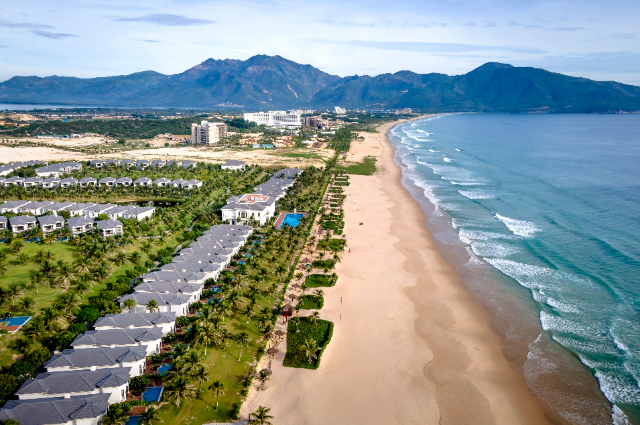
At some point in life, especially work life, we realise the need to reconnect with nature. The fresh morning breeze brushing across your face, and yes, by fresh breeze, I mean the air quality too. The tranquil chirping of birds and the busy rustling of leaves. Sounds too good to be true. In fact, these are once-in-a-lifetime experiences for many bound up in urban corporate life. Quiet, isolated vacations are preferred over the vibrant and loud ones.
For such problems, resorts come to the rescue. Modern resorts with ample amenities and tranquillity have become the go-to place in modern times. Not only vacations, but well-planned, dreamy destination weddings also find their place here. Nowadays, these resorts focus on providing a complete quintessential nature-immersed experience.
But have we ever thought about the price we pay for all these non-financially? The irony is that this nature-friendly look is being created after a long, irreplaceable process of destruction of the original nature.
Resort constructors mostly look for beautiful yet vulnerable landscapes for construction. The most sought-after locations include coral reefs, coastal lines and forest-based areas.
Coastal Resorts, especially in places like Kerala and Goa, attract tourists for various aspects. The beautiful views, mouth-watering food, serene atmosphere and much more to crave for. But giving it a deeper look, the construction process requires clearing vegetation in the first step itself, followed by depletion of resources. The smooth functioning of such resorts requires a huge quantity of water, making it scarce for native users. Tourists are likely to consume 3 to 5 times more water than residents. Other uses, like gardening and maintenance, also require a large quantity of water. Such usage has a drastic effect on water-scarce areas, where people struggle to fetch enough drinking water for their daily use.
A recent study on Maldivian Resorts about Coral Reef Degradation reveals several alarming concerns. The construction activities, like dredging and sand pumping, have caused massive damage to the magnificent coral structures. Such activities have led to a higher sediment accumulation and the lowering of coral cover. It has also set the ground for a surge in algae growth. These damages alter the functioning of the biodiversity and severely impact marine life.
Next comes the most feared waste management. The first and foremost of these is plastic pollution. According to the studies conducted by the WHO, the confirmed presence of microplastics in treated tap and bottled water has raised questions and concerns about the impact that microplastics in drinking water might have on human health. A team of researchers took the breast milk samples from 34 healthy mothers, a week after giving birth in Rome, Italy. Shockingly, microplastics were detected in 75% of them, leaving a huge question mark about human health concerns. Hence, this not only concerns the current population, but the future generations too.
The research estimates that around 2 billion people are drinking water contaminated by faecal matter as a result of extreme negligence of sewage treatment (WHO, UNICEF, 2017). This arises due to poor sewage management. The resorts that opt coastal areas conveniently discharge the untreated water into the sea or ocean. Such practices cause marine hazards that eventually lead to human health concerns.
Resorts at the heart of forests have been a favourite option for a long time. But again, deforestation happens before construction. A quite large area is cleared for luxury purposes. What we must focus on should never be only about our own comfort. Such deforestation takes away the food and shelter of a large number of species. Many resorts prioritise visual appeal over environmental compatibility. Artificial lawns are created, beaches are reshaped, and large-scale concrete structures are erected that often clash with natural conditions.
Carbon footprints too have marked their presence in Resorts. The luxury that people opt for comes with 24 x 7 air conditioning, ventilation, electricity use at spas and restaurants and the like. Though people aim for luxury combined with nature, they forget the fact that once they leave, they leave behind heavy carbon footprints that would one day contribute to the climate change crisis and the entire ecosystem. Additionally, resorts in remote or island locations—such as the Maldives or Lakshadweep—depend on diesel generators for power, spiling carbon emissions. Water desalination systems, often used in coastal resorts, also add to these emissions making the resorts a carbon hub. A few days of luxury and comfort can cost the lives of millions if ignored.
However, despite these challenges, there is indeed a ray of hope that flickers. People have started to switch to 100% Eco friendly resorts, where renewable energy is implemented, biodegradable products are used, and waste is managed cautiously. Significance must be more on responsible tourism rather than luxury. At the end of the day, nature would be the most luxurious place on earth.
Resorts entirely would not pose a threat if well planned. Being the most chosen destination, especially by global tourists, a perfect balance in its construction and functioning should be ensured. This way, the tourism sector can gain by preserving for future generations. Many countries, like India, gain immensely through tourism. With a rise in the number of visitors, sustainable tourism models pioneer the nation's efforts towards Responsible tourism. Here, luxury is meant to enhance, not erase, nature. This way, reconnecting with nature serves its literal meaning.
References:
- https://www.sciencedirect.com - Coral Reef Degradation near Resort Islands
- Lakshadweep faces high risk from microplastic pollution in coral reefs, waters | Kochi News - The Times of India – Microplastics in drinking water