
On May 10, 2026, when Prime Minister Narendra Modi addressed thousands assembled before him at Hyderabad, a tone of appeal to the citizens was evident. Unlike his usual speeches, that comprises of announcing policies and making promises, this speech focused a bit more than that. This time, the moral responsibilities of every citizen of India were put forth, especially amidst the ongoing West Asia crisis.
Fuel Feud
The place of war might be miles away. But its ill effects reach as far as Indian Households. One of the most striking issues that India is currently facing is the skyrocketing surge in fuel prices. One of the largest crude oil importers in the world, India, had reportedly spent $174.9 Billion on crude and petroleum products in the financial year 2025-2026. This accounts for around 22% of the country’s total imports. It was against this backdrop that PM Modi made a call to the citizens.
Crude oil and Petroleum in India are directly linked to major everyday requirements. This includes transportation, household cooking, and dependence on Restaurants. Diving deeper into each of these reveals the financial vulnerability, especially in Indian middle-class households.
The Strait of Hormuz
This is where the Strait of Hormuz draws attention.
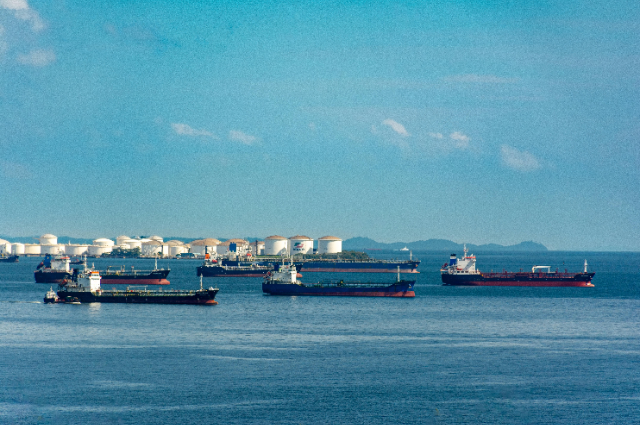
Connecting the Persian Gulf to the Gulf of Oman, this strait bears huge geopolitical and economic significance. Referred to as ‘the world’s most important oil chokepoint’, it serves the passage of around 17 million barrels of oil each day, which accounts for approximately 20 to 30 per cent of the world’s total consumption. Even a day’s disruption can lead to a global spike in fuel prices, eventually affecting other connected factors. It was in this context that the US - Iran war put the Strait as well as the rest of the world at stake. It is the pivotal point from global growth to balancing the cost of living. Hence, PM Modi has asked the citizens to put collective efforts in conserving as much fuel as possible as long as the uncertainty prevails.
For this, he says, the COVID-19 pandemic practices must return. Companies can maximise work from home and opt for online meetings. Similarly, online classes must be practised in schools and colleges. Apart from this, he asked the people to commute using public transport, making the best use of metros and car-pooling. This reduces a major part of transportation, saving unimaginably huge quantities of fuel. By such practices, a direct link towards environmental conservation can also be observed, as a huge amount of carbon emissions can be eliminated, and air pollution can be minimised. Though this does not offer a long-term solution, it is assumed to greatly aid fuel conservation.
All That Glitters
Next comes his controversial statement. He requested everyone to avoid purchasing gold for at least a year.
According to data, India is the second largest importer of gold in the world, the first being China. In a traditionally rooted country like India, a precious metal like gold holds a more significant place in Indian households than in the country's Forex reserves. However, the consumer reaction to this statement was immediate. Shares of major jewellery companies in India faced a sharp decline, with the Tata Group-owned Titan facing a downfall of nearly six per cent. Though this was optimistically viewed as a consumer or national responsibility, it also sparked debates on the burden the government lays on the common man and his personal financial freedom.
Hit The Road - Indian Road
His next statement was on avoiding unnecessary foreign trips. This can eventually conserve foreign exchange reserves. As per data, in the year 2025, approximately 32.7 million Indians had travelled abroad. This data includes leisure travellers, around 14 million people.
He also emphasised avoiding destination weddings outside the country, directly linking it to cutting international travel costs and thereby saving foreign exchange reserves. This, he again links to patriotism. The core message is to experience the real beauty and richness of our culturally, historically, and geographically rich motherland. This ‘Wed in India’ concept has already started receiving a warm welcome, especially among those planning for a traditional and culturally rooted Indian Wedding. Wedding planners confirm this, stating that they have begun receiving calls for destination weddings within India. However, following the speech, it is reported that IndiGo Airlines experienced a decline of about 2.8%, leaving the major question of its future condition unanswered.
From Fields to Kitchens
PM Modi’s next appeal was to Indian farmers on cutting the use of fertilisers. India, the second largest consumer of fertilisers in the world, stands first in the import of Urea, nearly 40 million tonnes annually. Indian staple foods like rice (Paddy) and wheat require a large amount of Urea. This is because they cannot absorb the required Nitrogen directly from the air. India’s rich agricultural sector, if affected, will disrupt the daily lives of citizens. A sudden surge in the price of food crops will be directly proportional to the price of food. People in urban areas, especially students and employees who depend heavily on restaurants, are very likely to encounter the hardships.
An appeal was also made to reduce oil consumption in households. Terming it as both “healthy and patriotic,” he paved the way for families also to take part in this collective mission.
The reactions to these statements were, however, dual-natured. Telangana Chief Minister A. Revanth Reddy termed these statements ‘irresponsible’ and described them as an attempt to conceal the government’s inefficiency. Criticism followed, saying this was one of the BJP’s attempts to expand its rule in the south. However, through this speech, it was made clear that a nation stands united against hardships not only through policies and laws, but through the collective participation of individuals and families.
References