
In July 2026, an 84-year-old man named Deep Rai was convicted in an attempted murder case that began more than three decades ago in Bihar’s Vaishali district. The case dates back to November 1992, when Rai and several others allegedly attacked a neighbouring couple following a dispute over broken glass placed on a pathway. While the conviction technically marks the end of a long legal battle, the timeline tells a more troubling story. The chargesheet was filed in 1993, charges were framed only in 1999, and the final verdict arrived in 2026, 33 years after the incident took place.
By the time judgment was delivered, four of the co-accused had already died. The victims had spent decades waiting for closure, while the accused lived for years under the uncertainty of an unresolved criminal case. The outcome raises a difficult question: can justice still be considered effective when it arrives after an entire generation has passed?
The Deep Rai case is not an isolated example. It reflects a much larger challenge within India’s judicial system, where delays have become so common that they are often treated as inevitable. According to the latest data from the National Judicial Data Grid, Indian courts currently have more than five crore pending cases across various levels of the judiciary. Of these, millions have remained unresolved for more than five years, while hundreds of thousands have been pending for over a decade. In some cases, litigants spend a significant portion of their lives waiting for judgments that affect their freedom, finances, property, or personal security.
Several factors contribute to these delays. India has one of the lowest judge-to-population ratios among major democracies. Vacant judicial positions, overburdened courts, procedural delays, repeated adjournments, and limited infrastructure all slow the pace of legal proceedings. Even relatively straightforward cases can become trapped in a cycle of postponements that stretches across years or even decades.
The consequences extend far beyond statistics. For victims, delayed justice can feel indistinguishable from denied justice. Witnesses forget details, evidence deteriorates, and families are forced to relive painful events for years. In criminal cases, the emotional and financial burden of attending hearings repeatedly can be overwhelming, especially for those from lower-income backgrounds.
The accused also faces significant consequences. Prolonged legal uncertainty itself can become a form of punishment despite public discussions that focus on punishment. Individuals spend years navigating court appearances, legal expenses, and social stigma before a verdict is ever reached. In cases where defendants are eventually acquitted, decades of lost opportunities and damaged reputations cannot easily be restored.
The issue becomes even more contentious when viewed through the lens of inequality. Critics of the system have long argued that justice in India often moves at different speeds depending
on a person's social and economic status. Wealthier individuals generally have greater access to experienced legal teams, resources for prolonged litigation, and the ability to challenge proceedings through multiple legal avenues. Meanwhile, poorer citizens often struggle to afford sustained legal representation, forcing many to rely on an already overburdened legal aid system.
According to data from the National Crime Records Bureau, a large majority of prisoners in Indian jails are undertrials; individuals who have not yet been convicted but remain incarcerated while awaiting the completion of legal proceedings. Many come from economically vulnerable backgrounds and lack the resources to secure timely bail or effective legal representation. Their cases illustrate how delays can become a social justice issue rather than merely an administrative one.
Yet perhaps the most concerning aspect of judicial delay is how normalized it has become. Public outrage over lengthy cases has gradually given way to resignation. Stories of trials lasting twenty or thirty years no longer shock people as they once did. Instead, they are often met with a sense of weary acceptance. Sociologists sometimes describe this phenomenon as institutional learned helplessness, a condition where citizens stop expecting reform because inefficiency has become so deeply embedded in everyday life.
This normalization creates its own risks. When people lose confidence in formal institutions, they may become less likely to seek legal remedies altogether. Trust in the justice system is a cornerstone of any democracy, and prolonged delays can weaken that trust over time. A legal system does not merely resolve disputes; it also reinforces the belief that rights can be protected and wrongs can be addressed fairly. When justice takes decades, that belief begins to erode.
The broader political climate can further complicate the situation. Public discourse often becomes consumed by ideological battles, identity politics, and partisan loyalties, leaving systemic issues such as judicial reform outside the spotlight. Discussions about court delays, legal aid, case management, and judicial vacancies rarely generate the same public attention as electoral controversies or political rivalries. As a result, structural problems persist largely unchanged.
The conviction of Deep Rai may have finally brought legal closure to a dispute that began in 1992, but it also serves as a reminder of the challenges facing India’s justice system. The case is not simply about one elderly man, one village, or one criminal trial. It represents the experiences of millions of Indians whose lives remain suspended in legal uncertainty for years at a time.
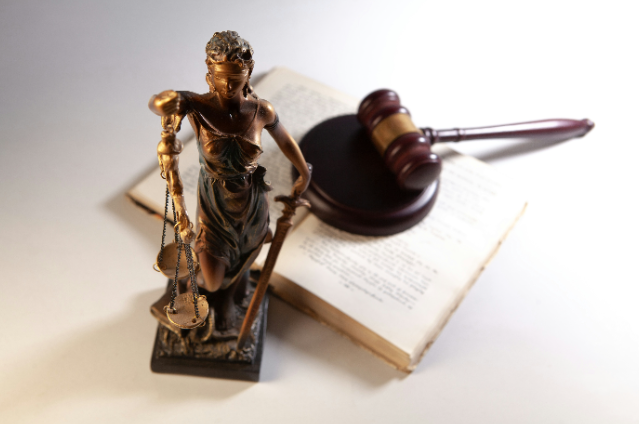
Justice is often described as blind, but it must also be timely. A verdict delivered after 33 years may satisfy a procedural requirement, yet it raises fundamental questions about accessibility, efficiency, and fairness. For a judicial system to inspire confidence, it must not.
Only reach the right decisions, it must be reached within a timeframe that gives those decisions real meaning.
References:
- https://ncrb.gov.in
- https://njdg.ecourts.gov.in
- https://doj.gov.in
- https://www.indiajusticereport.org
- https://main.sci.gov.in