
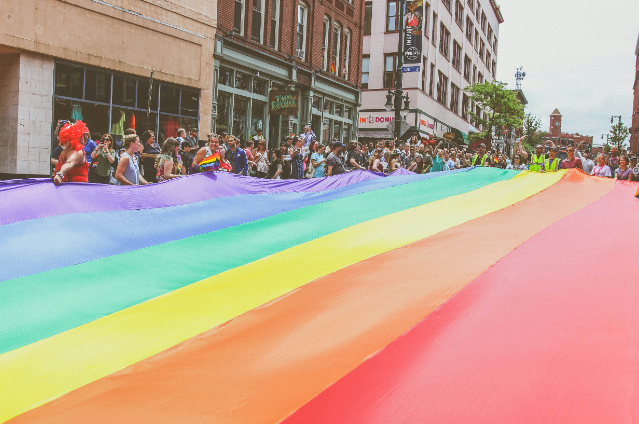
Every June, streets fill with rainbow flags, music, laughter, and parades. For many, Pride Month appears to be a celebration of identity and freedom. While it is all of those things, its roots run much deeper than colourful decorations and social media posts.
Pride did not begin as a festival. It began as resistance.
In 1969, the Stonewall Inn in New York became the centre of a confrontation that would change history. Police raids on places frequented by LGBTQ+ people were common. Harassment, arrests, and public humiliation were part of everyday life. But on one particular night, people refused to quietly accept what had become routine. They fought back.
What followed was not just a protest lasting several days. It was a declaration that people who had been pushed to society's margins would no longer remain silent.
The story of Pride is often reduced to Stonewall alone, but movements are built by countless hands. One of those hands belonged to Brenda Howard, a bisexual activist who helped transform remembrance into action. The marches and gatherings she organised became the foundation of what we now recognise as Pride celebrations across the world.
Even the famous rainbow flag carries a history many people do not know. The first version looked different from the one seen today. Its colours were carefully chosen to represent different aspects of human life and experience. Over time, practical circumstances changed its design, but its purpose remained the same: visibility.
Before the rainbow flag, many LGBTQ+ people reclaimed the pink triangle, a symbol once used to identify and persecute gay prisoners in Nazi concentration camps. Turning a mark of oppression into one of resistance was itself an act of courage.
Today, Pride exists in a different world than the one its early activists knew. In many places, legal rights have expanded, and public acceptance has grown. Yet the conversation around Pride remains complex. Some see it as a celebration of progress. Others believe it must continue to serve as a protest against discrimination and injustice. Both perspectives emerge from the same history.
That history reminds us that rights are rarely handed over willingly. They are demanded, defended, and protected by ordinary people who decide they have had enough of being treated as less than human.
Pride Month is not simply about rainbows. It is about memory. It is about the people who stood up when standing up carried consequences. It is about the generations who refused to disappear.
The joy seen in Pride today was not born from comfort. It was built on courage.
SOURCES:
- https://sdpride.org
- https://en.wikipedia.org
- https://www.britannica.com
- https://humanrights.ca
- https://www.bbc.com