
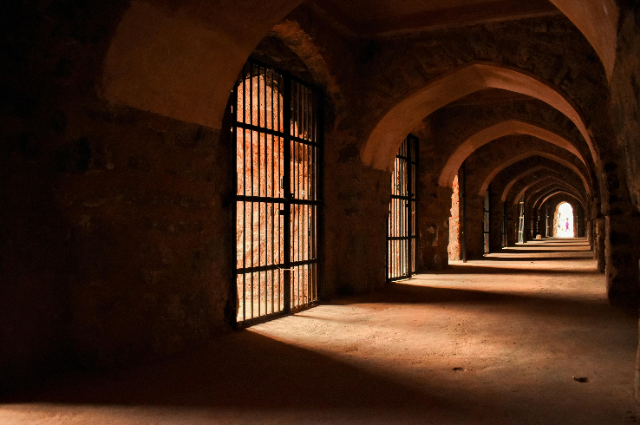
On May 12, 2026, the gates of Chanchalguda Central Jail opened to the public in a way few people could have imagined. For the first time, ordinary citizens were invited to spend a night inside one of India's oldest prisons not as inmates, but as paying guests.
The initiative, launched by the Telangana Prisons Department, is called Jail Anubhavam, or “Feel the Jail.” Under the programme, anyone willing to pay ₹1,000 can stay for 12 hours, while a full 24-hour experience costs ₹2,000. The concept quickly caught public attention. Within hours of its inauguration by Shiv Pratap Shukla, social media was flooded with reactions ranging from fascination to criticism.
India has embraced eco tourism, heritage tourism, and spiritual tourism. Now, it seems, jail tourism has joined the list.
Spending a Night Behind Bars
The experience is designed to resemble prison life as closely as possible.Participants sleep on simple prison cots. Meals are served in steel plates and bowls, just as they are to actual inmates. Visitors are expected to follow a strict routine, and they stay in barracks secured with iron grills. There are no luxury facilities or special privileges.
The idea is to give citizens a glimpse into the discipline and restrictions that define life in prison. At the same time, visitors can explore the newly established Telangana Prisons Museum, located within the jail complex. The museum documents the history of prisons in the region, from the era of the Nizam rule in Hyderabad to the present day.
Its exhibits include old handcuffs, prison records, gallows, and historical photographs. One of the most striking sections highlights the role of prisoner labour in constructing the Nagarjuna Sagar Dam between 1961 and 1968, one of independent India's most ambitious engineering projects.
Why Officials Support the Idea
According to prison authorities, the programme is intended to educate the public, especially young people.
Officials say that spending even one night in confinement can help people understand the consequences of crime and appreciate the value of freedom. They also hope that the experience will create empathy for inmates and encourage greater public interest in prison reform.
Another important feature is that the revenue generated from the programme will be used for prisoner welfare and rehabilitation efforts, including vocational training and support services.
The initiative is part of a broader global trend known as “dark tourism,” where people visit places associated with suffering, conflict, or tragedy. Famous examples include the Cellular Jail, Alcatraz Island, and the Auschwitz Birkenau Memorial and Museum. Such sites are often visited not for entertainment, but for reflection and learning.
A Powerful Idea with a Serious Limitation
Despite its educational goals, the programme has sparked intense debate. The main criticism is simple: visitors always know they can leave.
That fact changes the entire experience. Real prisoners do not have the comfort of choice. They cannot step outside when they feel uncomfortable. They live with uncertainty, separation from family, and the constant stress of confinement.
For tourists, prison is temporary and voluntary. For inmates, it is often long, involuntary, and deeply traumatic.A single night may offer a glimpse of physical conditions, but it cannot recreate the emotional burden of losing one's freedom.
The Reality of India's Prison System
The timing of the programme has drawn attention to the wider problems facing Indian prisons.
According to recent prison statistics, facilities across the country operate far beyond their intended capacity. Overcrowding remains severe, and a large majority of inmates are undertrials, people who have not yet been convicted of any crime.
Many remain in jail for months or even years because they cannot afford bail or secure effective legal representation. The burden falls disproportionately on poor and marginalised communities, including Dalits, Adivasis, and Muslims, who are overrepresented in prisons.
For these individuals, imprisonment is not an educational experience. It is a harsh consequence of economic inequality and delays in the justice system.
Awareness or Entertainment?
Supporters believe Jail Anubhavam could become a meaningful tool for public education.
A young visitor who spends a night in a locked barrack may begin to understand how precious freedom is. Some participants may leave with greater respect for prison staff and a stronger interest in justice reform. Critics, however, fear that the programme risks turning incarceration into a novelty.
For a middle-class family, paying ₹2,000 to “experience prison” may become just another unusual weekend activity. Visitors may share photos and stories, feel briefly moved, and then return to their normal lives without engaging with the deeper issues the programme is meant to highlight. The danger is that symbolic transparency may be mistaken for real change.
What Happens After the Gates Open
In many ways, the success of this initiative will not be measured by how many people book a stay. Its true impact will depend on what participants do after they leave.
If they begin asking why so many undertrials are denied timely hearings, why prisons remain overcrowded, and why legal aid is often inadequate, the programme could help build public pressure for reform.
If, instead, visitors treat it as a curiosity and move on, it may become little more than an unusual tourist attraction.
More Than a Night in a Cell
The idea of jail tourism is both fascinating and unsettling. It invites citizens to step briefly into a world that most would prefer never to enter. It offers a rare chance to witness a part of society that is usually hidden from public view.
But prison is not simply a place with iron bars and steel plates. It is a reflection of how a nation treats those accused, convicted, and forgotten.
When the barrack doors open in the morning, every visitor walks out free. The real question is whether they also walk out changed.
References
- The Hindu – Coverage of the launch of Jail Anubhavam at Chanchalguda Central Jail and details about the Telangana Prisons Museum.
- The Indian Express – Reports on the Telangana Prisons Department's “Feel the Jail” programme and public reactions to the initiative.
- The Times of India – News reports on the inauguration of the programme by Shiv Pratap Shukla.
- National Crime Records Bureau (NCRB) – Annual Prison Statistics India reports, including data on overcrowding and undertrial prisoners.
- Telangana Prisons and Correctional Services Department – Official information on prison administration, rehabilitation programmes, and the Telangana Prisons Museum.