
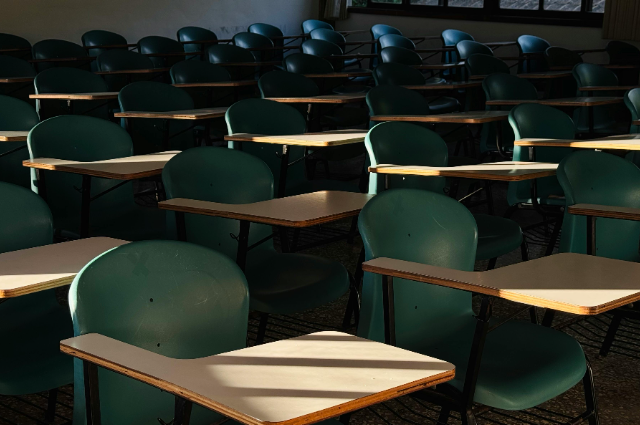
For lakhs of students across India, NEET is not just another competitive exam. It is the result of years of discipline, sacrifice, and hope. Students wake up before sunrise, attend coaching classes, solve hundreds of mock tests, and spend countless hours memorising biology diagrams and chemistry formulas. Parents invest their savings in tuition fees, books, and hostel expenses. Entire families build their daily lives around one dream about securing a seat in a medical college.
That is why the cancellation of NEET UG 2026 has caused anger, disappointment, and deep frustration.
The National Testing Agency (NTA) has cancelled the NEET UG 2026 examination that was held on May 3 after allegations of a paper leak and other irregularities. The central government has also directed the Central Bureau of Investigation (CBI) to conduct a comprehensive investigation into the matter.
For students, the meaning is painfully simple. After years of preparation, they are being asked to start all over again.
How the Alleged Leak Was Discovered
The controversy began when the Rajasthan Police Special Operations Group (SOG) reportedly recovered what investigators described as a "guess paper."
According to officials, around 140 questions in this document closely matched the questions asked in the actual NEET examination. Since the paper contains 180 questions, such a large overlap immediately raised serious doubts about the fairness of the test.
Investigations are also underway in Uttarakhand and several other states. Authorities are examining WhatsApp groups, call records, and financial transactions to trace how the material was shared and who may have benefited from it.
What first appeared to be a rumour soon turned into one of the biggest examination controversies of the year.
NTA Cancels the Examination
On May 12, the NTA announced that the examination would be cancelled and conducted again.
In its official statement, the agency said the evidence and findings from investigative agencies made it clear that the integrity of the examination had been compromised. The NTA acknowledged that this decision would cause serious inconvenience to students and their families, but stated that allowing the results to stand would cause greater and more lasting damage to public trust.
The agency chose to protect the credibility of the examination system, even though millions of students would have to face the burden of another test.
Re-Exam Without Fresh Registration
The NTA has clarified that candidates do not need to submit a new application form. All registration details, photographs, signatures, and examination centre preferences from the May 2026 cycle will remain valid. Students will not be charged any additional fee.
The fresh examination date will be announced through the official website, neet.nta.nic.in.Until then, students are being advised to ignore rumours and depend only on official announcements.
The Emotional Cost of Starting Again
Preparing for NEET is one of the most demanding academic journeys in India. Many students devote two or three years solely to this exam. They study ten to twelve hours a day, skip celebrations, and reduce contact with friends. Thousands move to coaching centres in cities such as Kota, where life revolves entirely around preparation.
After the May 3 examination, many students believed the most difficult phase of their lives was finally over. Some were discussing expected cut-offs. Others were simply resting after months of intense pressure. The cancellation has forced them back into uncertainty.
Students who felt they had performed well must now reproduce the same level of focus and confidence. Those who were emotionally exhausted have to rebuild their motivation from scratch.
Parents Carry the Burden Too
The impact of the cancellation extends to parents as well. For many families, preparing for NEET involves substantial financial sacrifice. Coaching fees, study materials, accommodation, and travel can cost a significant amount. Some parents take loans or cut back on household expenses to support their children's ambitions.
The cancellation means another period of waiting, anxiety, and emotional support. Parents must once again encourage their children to stay focused, even when disappointment is overwhelming.
Another Scandal, Same Response
This is not the first time a major examination in India has faced allegations of malpractice. Each controversy follows a familiar pattern. Reports surface, investigations begin, committees are formed, and officials promise reforms. Public attention grows for a few weeks, and then the issue gradually fades until another scandal emerges.
This repeated cycle has weakened confidence in institutions that are supposed to protect merit and fairness. Students and parents increasingly feel that, despite promises, fundamental problems remain unresolved.
The Real Issue Is Accountability
The cancellation of NEET 2026 raises a larger question about accountability. Students are expected to follow strict rules. Even a small mistake can lead to disqualification. They are told that discipline and honesty are essential.
When institutions fail to protect the integrity of an examination, responsibility should be equally clear. If the investigation confirms wrongdoing, everyone involved in leaking or distributing the paper must face swift and transparent action. Without visible consequences, public trust will continue to erode.
What Students Should Do Now
At this stage, students should focus on what they can control. The official website, neet.nta.nic.We will provide updates regarding the new examination date and instructions.
Candidates can use this additional time to revise key topics, solve practice papers, and maintain a healthy daily routine. Protecting mental well-being is just as important as academic preparation.
More Than a Cancelled Exam
NEET is meant to reward talent, hard work, and perseverance. When such an examination is cancelled because of alleged malpractice, the damage goes far beyond one academic calendar. It affects trust in institutions and shakes students' belief that merit will be fairly recognised.
The students fulfilled their responsibility. They studied sincerely and appeared for the examination in good faith. The responsibility now lies with the authorities to conduct a secure re-exam and ensure that those who compromised the process are held accountable.
Until then, millions of students remain suspended between determination and disappointment, waiting for the education system to rebuild the trust it has once again placed in jeopardy.
References
- NEET UG Official Website
- National Testing Agency (NTA)
- Central Bureau of Investigation (CBI)
- Ministry of Education, Government of India
- Press Information Bureau (PIB)