
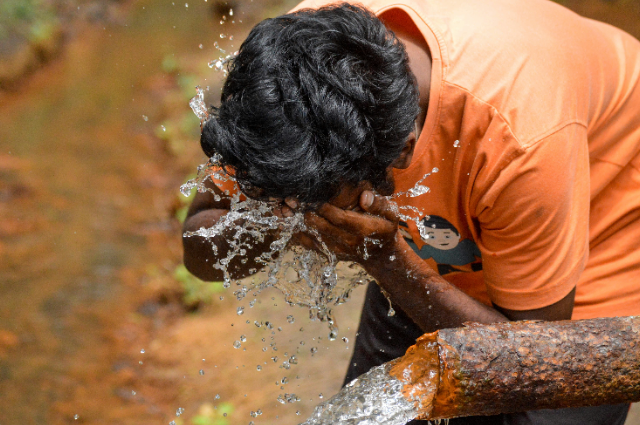
For years, the small town of Gaya quietly existed on the map of India without much international attention. Pilgrims visited its ancient temples, travellers passed through its dusty roads, and locals carried on with their daily lives under the harsh summer sun that Bihar is known for. But this year, the town suddenly found itself mentioned in weather reports across the world, not for tourism, culture, or politics, but for heat.
Temperatures in Gaya soared so high that the town briefly ranked among the hottest places on Earth. Weather monitoring platforms and climate trackers began flashing their name alongside desert regions and heat-prone cities from the Middle East and Africa. What was once an ordinary Indian town became a symbol of the growing climate crisis.
The shocking rise in temperature did not arrive alone. It came with dry winds, empty streets, exhausted workers, sleepless nights, and fear. For many residents, this was not just “summer.” It felt like survival.
Streets That Fell Silent
In the afternoon, the roads of Gaya looked abandoned. Shops closed early. Rickshaw pullers stopped under trees for shade. Tea stalls that usually remained crowded stood empty for hours.
People avoided stepping outside unless absolutely necessary. Those who had no option, like delivery workers, vegetable sellers, labourers, and traffic police , wrapped cloth around their faces and carried bottles of water wherever they went.
Many families said the heat inside homes became unbearable, especially in areas where electricity cuts remained common. Fans pushed hot air around rooms instead of cooling them. In poorer neighbourhoods, tin roofs turned houses into ovens.
Children who usually played outside during school vacations stayed indoors. Elderly people complained of dizziness and dehydration. Hospitals started reporting a rise in cases of heat exhaustion, fever, and breathing problems. The frightening part was not just the daytime temperature. Nights no longer brought relief.
Nights That Refused to Cool Down
In many parts of Bihar, people are used to difficult summers. But older residents say this year felt different because the heat stayed trapped even after sunset.
Warm nights are dangerous because the human body does not get enough time to recover. People struggle to sleep, dehydration increases, and health conditions worsen. For workers who spend long hours outdoors, this continuous exposure becomes extremely risky.
Families dragged mattresses onto rooftops, hoping for cooler air, but many said even the breeze felt hot. Some slept with wet towels on their heads. Others woke repeatedly to drink water.
Doctors advised residents to avoid going out between noon and 4 PM, but daily wage workers could not afford to stop working completely. Missing one day’s income could mean skipping meals.
Why Is India Heating So Fast?
Scientists say heatwaves in India are becoming longer, stronger, and more frequent because of climate change. Rising global temperatures are making extreme weather events more intense across the planet.
India is especially vulnerable because of its huge population, dense cities, and dependence on outdoor labour. Large parts of the country already experience intense summers, but climate experts warn that the situation is worsening faster than expected.
Several factors combine to create such deadly heat:
Climate Change: Greenhouse gas emissions continue to warm the Earth’s atmosphere. As average temperatures rise, heatwaves become more extreme.
Urban Heat: Concrete roads, buildings, and a lack of green cover trap heat during the day and release it slowly at night. This makes cities and towns hotter than the surrounding rural areas.
Water Crisis: Dry lakes, shrinking groundwater, and reduced moisture in the soil increase heat levels. Water scarcity and heat often worsen each other.
Deforestation: Trees naturally cool the environment. As green areas disappear, temperatures rise even more.
Experts say what happened in Gaya is not an isolated event. It is a warning.
The Human Cost of Extreme Heat
Heatwaves may not create dramatic visuals like floods or cyclones, but they silently affect millions of lives. The damage spreads through health, economy, education, and mental well-being.
Construction workers often suffer the most. Long exposure under direct sunlight can cause dehydration, fainting, or even heatstroke , a medical emergency that can become fatal.
Farmers face another challenge. Crops dry faster, water demand rises, and soil loses moisture. In states like Bihar, where many families depend on agriculture, rising temperatures threaten livelihoods directly.
Schools in several regions adjusted timings or temporarily shut down to protect students. Parents worried about children travelling in extreme heat.
Electricity demand also surged as people used fans, coolers, and air conditioners continuously. In some areas, overloaded systems led to power cuts, making conditions even harder.
A Global Problem With Local Consequences
The story of Gaya reflects a much larger global crisis. Across the world, countries are witnessing record-breaking temperatures.
From Europe to North America, from Africa to Asia, scientists are recording unprecedented heat events. What once happened once in decades is now becoming common. But the impact is unequal.
Wealthier people can often escape heat through air conditioning, better housing, and healthcare. Poorer communities suffer the most because they lack protection and resources.
This is why climate discussions are no longer limited to environmental debates. Heat has become an issue of public health, inequality, and survival.
Can Cities Prepare for This?
Experts believe India urgently needs stronger heat action plans. Some cities have already started taking steps like:
- Opening public cooling centres.
- Sending heat alerts through mobile phones.
- Changing school and work timings
- Increasing plantation drives.
- Providing drinking water stations in crowded areas.
But many smaller towns remain unprepared. Climate researchers say adaptation is now necessary because extreme heat is no longer a future problem; it is happening right now.
Urban planning will also matter. More trees, reflective rooftops, shaded roads, better water management, and improved public transport can help reduce heat stress. At the same time, long-term solutions require global efforts to reduce emissions and slow climate change itself.
A Town the World Suddenly Noticed
For most people outside Bihar, Gaya was never associated with world weather rankings. Yet one brutal heatwave pushed the town into international headlines.
Its story is uncomfortable because it shows how ordinary places are becoming climate frontlines. The people suffering are not statistics on a weather chart. They are workers walking home in burning heat, mothers trying to cool children in powerless rooms, and elderly residents praying for rain.
The world may move on after the headlines fade. Another city may top the temperature charts next month. But for the people living through these heatwaves, the experience stays long after the news cycle ends.
References
- India Meteorological Department
- World Meteorological Organisation
- NDMA Heatwave Guidelines
- NASA Climate Change
- IPCC Climate Reports