
These days, buying clothes has become very easy. You open an app or visit a mall, and there are endless options at low prices. New designs keep coming every week, which makes shopping feel exciting. Discounts, sales, and offers make it even more tempting. But this habit of buying cheap clothes again and again is creating problems that we often ignore. One big change is that people have slowly stopped going to tailors.
From Tailors to Ready-Made
Earlier, getting clothes stitched was very common in India. People would buy fabric and go to a local tailor. The tailor would take measurements and stitch clothes that fit properly. Even for daily wear, tailoring was normal, not something special.
Now, most people prefer ready-made clothes. It saves time and effort. Fast fashion has made this shift faster. You just pick your size and wear it the same day. For many people, especially the younger generation, this feels more convenient and modern.
Clothes That Don’t Last
The problem with fast fashion is quality. Many cheap clothes don’t last long. After a few washes, they lose shape, color fades, or stitching becomes loose. Sometimes the fabric becomes rough or uncomfortable.
Since these clothes are not expensive, people don’t try to fix them. They simply stop wearing them. This has changed how we treat clothes. Instead of using them for years, we use them for a short time and move on to something new.
Growing Waste Around Us
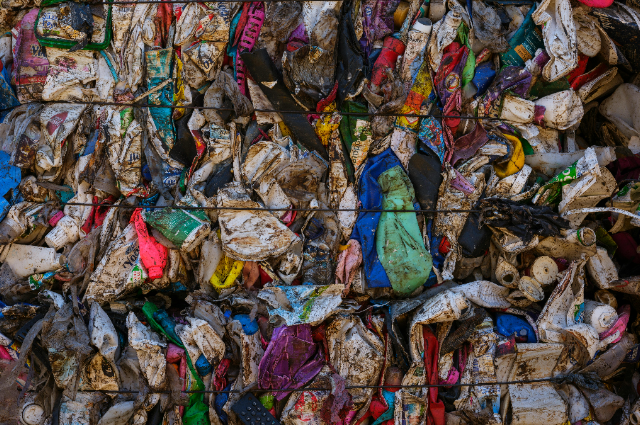
When people stop wearing clothes so quickly, waste increases. Earlier, old clothes were reused at home, turned into cleaning clothes, or passed on to others. Now, they are simply thrown away without much thought.
Most of these clothes end up in dumping areas. Many fast fashion items are made from synthetic materials that do not decompose easily. They stay in the environment for years and slowly add to pollution.
This is becoming a serious issue, especially in cities where waste management is already a challenge.
Tailors Losing Their Work
At the same time, local tailors are struggling. There was a time when every area had a busy tailoring shop. Tailors had regular customers and steady work throughout the year.
Now, their work has reduced a lot. People only go to them for small fixes like altering size or repairing clothes. Full stitching orders are rare.
Because of this, many tailors are finding it difficult to earn. Some have even shut down their shops or shifted to other small jobs to survive.
A Skill That May Disappear
Tailoring is not just a job, it is a skill. Many tailors learned it from their parents or family members. It has been passed down for generations and is a part of everyday Indian life.
But when people stop choosing tailoring, this skill starts fading. Younger generations are less interested in learning it because there is less demand and income. If this continues, tailoring may slowly disappear from many areas.
Losing the Personal Touch
Another loss is the personal connection with clothes. When clothes are stitched, they are made for your body. They fit better and feel more comfortable.You can choose your own design, fabric, and style. It feels more personal and meaningful.
With ready made clothes, everything is standard. Sizes are fixed, and designs are repeated. Many people end up wearing similar styles, and sometimes the fitting is not even right. This takes away the uniqueness that tailoring once offered.
Changing Mindset of People
Fast fashion has also changed how people think. Clothes are no longer seen as something valuable. They feel temporary and replaceable.
If something goes out of trend, people stop wearing it, even if it is still in good condition. Because prices are low, people don’t think much before buying more.
This leads to overbuying. Wardrobes become full, but many clothes are hardly used. In the end, it becomes a cycle of buying, wearing briefly, and throwing away.
Small Changes Can Help
The situation may seem serious, but small steps can make a difference. People can start by getting a few clothes stitched instead of buying everything ready made. This will support local tailors and also give better fitting clothes.
Wearing clothes for a longer time, repairing them when needed, and reusing old clothes can also reduce waste. Even simple habits like donating unused clothes instead of throwing them away can help.
Some people are now trying to exchange clothes with friends or buy second-hand items. These small changes may seem simple, but they can create a positive impact over time.
Fast fashion may feel easy and affordable, but it has hidden effects. It increases waste, encourages overbuying, and reduces the importance of traditional skills like tailoring.
Clothes in India have always been more than just fashion. They are connected to culture, identity, and daily life.
If we keep choosing cheap options without thinking, we might lose something valuable. A little awareness and small changes in our habits can help protect both the environment and our traditions.
References:
- “The Hidden Price of Fast Fashion and Why India Must Embrace Circularity,” ET Edge Insights.
- “Fast Fashion and Its Environmental Impact,” Legal Service India.
- “Most Significant Impacts of Fashion Waste,” The Times of India.
- “Fast Fashion: A Growing Environmental Concern,” Project Statecraft.
- “Textile Waste Statistics Report,” WorldMetrics.