
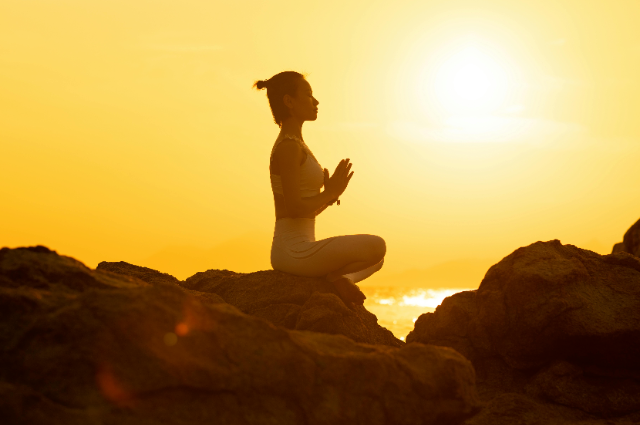
Yoga started in India thousands of years ago, yet for a long time many of us didn’t treat it as something important. It was seen as an old practice, something our grandparents followed, not something young people connected with. But today, yoga is everywhere on social media, in gyms, in international events, and even in global health discussions.
The strange part is that many Indians began valuing yoga more only after it became popular in Western countries. When people abroad started praising its benefits, we suddenly looked at it with fresh respect. This raises a simple but serious question: why do we wait for others to recognise our traditions before we respect them ourselves?
What Yoga Really Means
Yoga is not just about exercise. Many people today think yoga means doing difficult poses or improving flexibility, but that is only one small part of it. Yoga also includes breathing techniques, meditation, and mental discipline. It focuses on balance of both physical and emotional.
In earlier times, yoga was a natural part of life. People didn’t treat it as a trend or a special activity. It was something they practiced daily to stay healthy and calm. There were no expensive classes or special outfits needed. It was simple and accessible to everyone.
Why People Started Ignoring It
As time changed, lifestyles also changed. People became busier and more focused on modern ways of living. Western fitness trends like gyms, weight training, and aerobics became more popular, especially among the younger generation.
Yoga, on the other hand, started to feel outdated. Many people believed it was slow, boring, or only meant for older people. This thinking slowly pushed yoga out of daily life for many families.
When the West Noticed Yoga
Everything began to change when yoga became popular in countries like the United States and the United Kingdom. Celebrities, fitness trainers, and influencers started promoting yoga as a healthy lifestyle choice.
Yoga studios opened in big cities around the world, and people began practicing it regularly. It was presented in a modern way, which made it attractive to a global audience.
Seeing this, many Indians also started paying attention again. Yoga suddenly felt more valuable because it was being appreciated internationally. This shows how we sometimes depend on outside recognition to value what already belongs to us.
The Effect of Old Thinking
One of the main reasons behind this mindset comes from history. During colonial rule, Indians were made to believe that Western culture and knowledge were superior. This idea affected people deeply and continued even after independence.
Even today, many people feel that something becomes important only when it is accepted by the West. Whether it is language, fashion, or lifestyle, foreign approval often seems to carry more weight. Yoga is just one example where this thinking becomes visible.
Role of Social Media
Social media has played a big role in changing how yoga is seen. Today, yoga is often shown through beautiful pictures and videos with perfect poses, peaceful locations, and stylish outfits.
While this makes yoga look attractive, it also changes its meaning. Many people focus more on how they look while doing yoga rather than how it actually makes them feel. It becomes more about appearance than experience.
This trend makes yoga seem like a fashion statement instead of a meaningful practice.
From Practice to Business
Another big change is the commercialisation of yoga. Today, yoga is not just a practice but also a business. There are expensive classes, branded mats, designer clothes, and luxury yoga retreats.
A practice that was once simple and free is now sometimes seen as something that requires money and status. Some people even believe that learning yoga from foreign trainers is better than learning from traditional Indian teachers.
This shows how presentation can change perception, even if the core idea remains the same.
Science and Acceptance
In recent years, scientific studies have shown that yoga helps reduce stress, improves mental health, and keeps the body fit. These findings are important, especially in today’s fast and stressful world.
But it is interesting that many people started believing in yoga only after these studies were published. It has been practiced for centuries, yet we needed scientific proof to accept its value.
This again reflects our habit of trusting external validation more than our own traditions.
A Larger Problem
This issue is not limited to yoga. It reflects a bigger problem which is lack of confidence in our own culture. Many people believe that modern means Western and traditional means outdated.
Because of this thinking, we slowly move away from our roots. We start ignoring practices that have been part of our culture for generations. Over time, this can lead to losing valuable knowledge and identity.
What We Can Do
Changing this mindset is not easy, but it is possible. The first step is understanding the true meaning of yoga. People should learn that it is not just about physical fitness but also about mental and emotional well-being.
Schools can help by teaching yoga in a meaningful way, not just as a routine activity. Families can also encourage it as a daily habit instead of something occasional.
At the same time, we should not reject global influence completely. It is good that yoga has become popular worldwide. But we should value it for what it is, not just because others appreciate it.
Yoga was always valuable. It did not become important only after the West recognised it. The only thing that changed is our attitude towards it.
If we keep waiting for others to validate our traditions, we risk losing their true meaning. Yoga is more than a trend it is a part of our identity and heritage.
It is time we start trusting our own knowledge and respecting what has always been ours, instead of waiting for the world to tell us its worth.
References:
- Ministry of AYUSH, Government of India – Reports and publications on Yoga and its benefits.
- World Health Organization (WHO) – Guidelines on physical activity and mental well-being.
- United Nations – International Day of Yoga official documents and resolutions.
- B.K.S. Iyengar – Light on Yoga.
- Swami Vivekananda – The Complete Works of Swami Vivekananda (Lectures on Yoga).