
India is hosting the Quad summit at a time when global politics feels a bit unstable and fast-changing. The Quad , short for Quadrilateral Security Dialogue, includes India, the United States, Japan, and Australia. It is not a formal alliance like NATO, but more of a group where these countries meet, discuss, and coordinate on issues like security, trade, and regional stability in the Indo-Pacific.
On paper, it sounds simple. But the timing and the topics being discussed make this meeting quite important. The Indo-Pacific region today is not just a stretch of ocean, it has become the centre of global trade and power politics. Whoever has influence here, in many ways, has influence over global supply chains and economic stability.
Why Everyone is Focused on the Sea
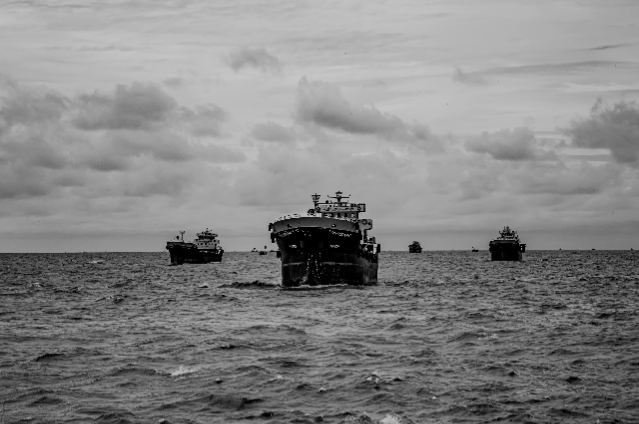
One of the main discussions in the Quad summit is maritime security. This basically means keeping sea routes open and safe. It may not sound very dramatic, but most of the world’s trade actually moves through these routes. Oil, gas, electronics, raw materials, and even everyday goods are transported through the Indo-Pacific waters.
If these routes get blocked or disturbed, even for a short time, it affects prices and supply in many countries. That is why Quad countries take this issue seriously. There is a shared concern about rising tensions in certain parts of the region and increasing military activity around key sea lanes.
India’s role in this is important because of its location. It sits in the middle of the Indian Ocean, right along major shipping routes. Over the years, India has increased cooperation with Quad partners through naval exercises, joint patrols, and better communication systems. These are not dramatic war style moves, but practical steps like helping each other during piracy incidents, rescue operations, or natural disasters.
The idea is simple: if something goes wrong at sea, countries should be able to respond together instead of acting alone.
Supply Chains and What the Pandemic Changed
The second big topic is supply chains. This became a serious issue after the COVID-19 pandemic. During that time, factories shut down, shipping slowed, and many countries suddenly faced shortages of medicines, chips, and other essential goods.
That experience exposed how dependent the world had become on a few manufacturing centres. Since then, countries have been thinking about how to avoid that kind of situation in the future.
The Quad is trying to support a more balanced system where production is spread across different countries instead of being concentrated in one place. This is not about cutting trade with anyone, but about reducing risk.
India is trying to take advantage of this shift. It is promoting itself as a manufacturing base, especially in electronics, pharma, defence production, and essential goods. Japan brings advanced technology, the US brings investment and innovation, and Australia provides raw materials and trade support. Together, they are trying to build a system that doesn’t break easily when global shocks happen.
It is still early, and this kind of change takes time. But the direction is clear.
The Bigger Picture in Asia
Beyond security and trade, the Quad also reflects something bigger happening in Asia. The Indo-Pacific has become the most important region for global power competition and cooperation.
Over the last few years, China’s growing influence has changed how other countries in the region behave. This has led to more coordination between India, Japan, Australia, and the United States. The Quad is one result of that shift.
At the same time, the Quad does not officially position itself against any country. Instead, it talks about ideas like free navigation, open trade routes, and following international rules. This is also why it continues to function without becoming a formal military bloc.
India’s approach here is quite balanced. It is part of the Quad, but it also maintains relationships with many other countries outside it. This helps India keep its independence in foreign policy while still being part of major global discussions.
Why this Meeting Matters Now
The timing of this summit is also important. The world is going through uncertainty, economic pressure, regional conflicts, and shifting alliances. In such a situation, countries prefer flexible partnerships rather than strict alliances.
The Quad fits into that idea. It is not binding, but it provides a platform where four major countries can coordinate and respond to shared concerns.
For India, hosting the summit also shows how its global role has changed. It is no longer just reacting to international events. It is now part of shaping discussions around security and economic stability in its region.
What Really Changes after Meetings like this
People often expect big announcements from international summits, but Quad meetings don’t usually work that way. There are no sudden decisions that change everything overnight.
Instead, the changes are slow and practical. Naval cooperation improves step by step. Countries share more information during emergencies. Supply chain discussions slowly turn into real projects. Over time, this builds trust.
This is actually how the Quad works best, not through dramatic headlines, but through steady coordination. Small improvements in communication and cooperation may not look very big at first, but they matter in the long run.
India hosting the Quad summit is not just another diplomatic event. It reflects how global politics is slowly shifting towards more cooperation between countries that share common interests.
The Indo-Pacific is becoming more important every year, and the Quad is one of the platforms shaping that change. It may not bring immediate results, but it is part of a longer process where countries are adjusting to new economic and security realities.
In the end, this summit is less about one big moment and more about a slow shift. A shift where Asia’s future is being shaped quietly, through meetings, coordination, and shared concerns rather than sudden decisions.
References:
- Ministry of External Affairs, Government of India – Quad-related updates and press releases
- The White House – Joint statements and fact sheets on Quad meetings
- Council on Foreign Relations (CFR) – Analysis on Quad and Indo-Pacific strategy
- Brookings Institution – Research on Indo-Pacific cooperation and supply chains
- Observer Research Foundation (ORF) – India-focused policy analysis on Quad