
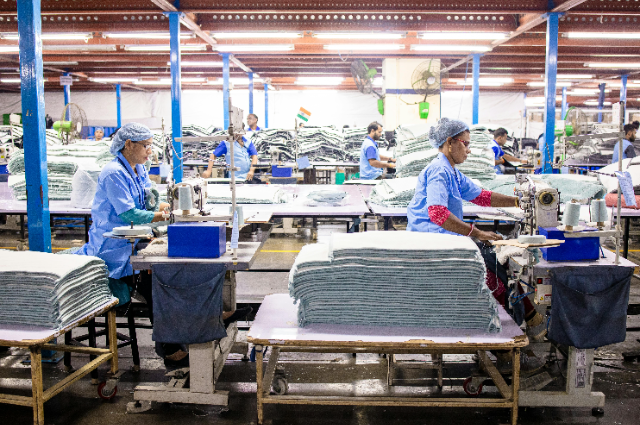
When we hear about protests in Noida, most of us think it’s just another local issue like workers demanding more money, police getting involved, and things turning messy. But if we look closely, the situation is not that simple. What is happening in Noida is actually connected to bigger things happening in the world, like the tensions around Iran and rising prices.
It may sound strange at first, how can a war or conflict far away affect factory workers in India? But once you connect the dots, it starts making sense.
What actually happened in Noida
Recently, factory workers in Noida came out on the streets to protest. These workers are mostly from garment factories. At first, their protest was peaceful. They were asking for better wages and proper working conditions. But after a couple of days, things got out of control.
There were clashes with police, vehicles were damaged, and tear gas had to be used. Some workers were arrested too. Situations like this don’t suddenly become violent for no reason. There is always frustration building up for a long time.
The main issue was wages. Workers in Noida earn around ₹13,000 per month. But in Haryana, workers are now earning close to ₹19,000 after a recent increase. This difference made workers feel like they were being treated unfairly.
Why money has become such a big issue
The real problem is not just low wages. It is that expenses are increasing faster than income.
Everything is getting expensive, it can be food, transport, rent, even basic things like cooking gas. For people earning a fixed salary, this becomes very stressful. They have families to support, and when prices go up but salary stays the same, it feels like you are falling behind no matter how hard you work.This is exactly what many factory workers are feeling right now.
Where the Iran situation comes in
Now this is where things get interesting. The rise in prices is not happening randomly. A big reason behind it is global tension, especially involving Iran.
Iran is an important country when it comes to oil supply. When there is conflict or tension, oil production and supply get affected. This leads to an increase in fuel prices globally.
India imports a large amount of oil. So when global prices increase, we feel it almost immediately. Petrol and diesel become expensive, and that affects transportation. Once transport becomes costly, everything else becomes costly too. For example, vegetables, groceries, clothes, everything. So even though the conflict is far away, its impact reaches everyday life here.
How this affects workers directly
For factory workers, this situation is very tough. Their salary is fixed, but their expenses are not.
Let’s say earlier they could manage their monthly budget somehow. Now suddenly, fuel prices increase, food becomes expensive, and rent may also rise. But their salary remains the same ₹13,000. So what do they do? They cut expenses, but there is only so much you can cut.
After a point, frustration builds up. That frustration turns into anger. And when many people feel the same way, it turns into protests.
Why Noida became the centre
Noida has a lot of factories, especially in the garment sector. Thousands of workers depend on these jobs. So when issues like wages and expenses come up, it affects a large number of people at once.
Also, the comparison with Haryana made things worse. When workers see others earning more for the same work, it naturally creates a feeling of injustice.
The protests in Haryana also gave confidence to workers in Noida. They felt that if others can demand better wages, why can’t they?
Government response
After the protests became serious, the government stepped in. Some measures were announced, like weekly holidays, proper overtime pay, and ensuring salaries are given on time. A committee was also formed to look into the issue.
These steps are helpful, but they may not fully solve the problem. The biggest issue is still wages. Until that is addressed properly, the problem might come back again.
The bigger picture
What is happening in Noida is actually a small example of a bigger problem. Today, local issues are connected to global events more than ever.
A conflict in one part of the world affects oil prices. Oil prices affect daily expenses. Daily expenses affect workers. And workers, when pushed too much, protest.It is like a chain. One thing leads to another.
The Noida protests are not just about wages or one city. They show how connected our world has become. A factory worker in Noida may not know all the details about global politics, but they feel its impact every day through rising prices.
At the end of the day, people just want a stable life where they can earn enough to support their families. When that basic balance is disturbed, problems start.
If we really want to avoid such situations in the future, we need to understand these connections and act early before frustration turns into anger on the streets.
References
- Moneycontrol reports on Noida factory workers’ protest (April 2026).
- Firstpost, coverage of labour unrest and wage demands in Noida.
- Government of Uttar Pradesh statements on labour reforms and protest response.
- News reports on Haryana minimum wage increase (2026).
- General news coverage on global oil prices and Iran-related tensions affecting fuel rates.