
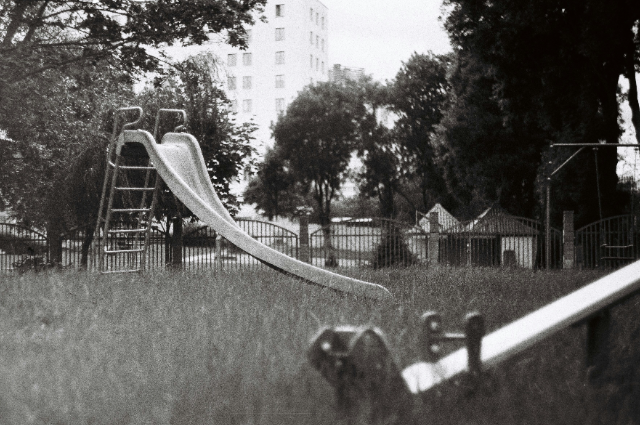
Walk through any Indian city today, and you can feel the change. Streets that were once full of life now seem more controlled and structured. Open grounds where children used to play have slowly disappeared, replaced by shopping malls and tall buildings. This shift may look like development, but it also raises an important question: Are we losing something valuable along the way?
The Everyday Life of the Maidan
For many Indians, the maidan was more than just an open space. It was part of daily life. After school, children would rush to the nearest ground with a bat and ball. It didn’t matter if the pitch was uneven or the stumps were made of bricks. What mattered was the joy of playing.
In the mornings, elders gathered for walks and conversations. In the evenings, families sat together, enjoying fresh air and simple moments. There were no entry fees, no time limits, and no expectations. Anyone could come and spend time there.
Maidans brought people together. You could see people from different backgrounds sharing the same space without any difference. These places helped build friendships, confidence, and a sense of belonging.
The Rise of Malls in Urban India
Over the years, malls have become a major part of city life. They offer everything in one place, like shopping, food, movies, and entertainment. Clean surroundings, air conditioning, and security make them attractive, especially for young people.
For many families, visiting a mall has become a regular weekend activity. It feels modern and convenient. In a busy city, malls provide a break from traffic, noise, and heat.
But malls are very different from public grounds. They are private spaces. While anyone can enter, everything inside is designed around spending money. From food courts to game zones, every activity comes at a cost.
The Difference Between Open and Closed Spaces
The biggest difference between a maidan and a mall is freedom. In a maidan, there are no restrictions on how you spend your time. You can sit, play, run, or simply relax without worrying about money.
In a mall, the experience is controlled. You are expected to behave in a certain way. Sitting for too long without buying something can feel uncomfortable. Security and rules are always present.
This changes how people interact. In open spaces, conversations happen naturally. In malls, people mostly stay within their own groups. The sense of community is weaker.
Impact on Children and Youth
One of the biggest changes can be seen in the lives of children. Earlier, playing outside was a daily routine. Children learned teamwork, patience, and social skills through games.
Today, many children spend more time indoors. If they go out, it is often to a mall rather than a playground. Instead of running freely, they are in structured environments with limited space.
This affects their physical health as well as their social development. The simple joy of outdoor play is slowly being replaced by screens and indoor activities.
Accessibility and Inequality
Public spaces like maidans were always equal for everyone. They did not depend on money, status, or background. A child from any family could walk into a ground and play.
Malls, however, are not equally accessible. Even if entry is free, everything else costs money. Food, entertainment, and even parking can be expensive for many people.
This creates a divide. Some people feel comfortable spending time in malls, while others feel out of place. As public spaces disappear, cities risk becoming more unequal.
Urban Development and Changing Priorities
The decline of public spaces is closely linked to how cities are growing. Land in urban areas has become very valuable. Open grounds are often seen as unused spaces that could be turned into profitable projects.
As a result, many maidans are replaced by commercial buildings or residential complexes. This may bring economic growth, but it comes at a cost.
Open spaces are important for a healthy city. They provide fresh air, reduce stress, and give people a place to connect. Ignoring their value can affect the quality of life in the long run.
A Cultural Shift in Society
The move from maidans to malls also reflects a lifestyle change. People today prefer comfort, safety, and convenience. Malls offer a clean and controlled environment, which feels secure.
But this comfort also limits real experiences. Indian streets and public spaces have always been full of energy and diversity. They reflect the true culture of the country.
When people move only to private spaces, they miss out on these everyday interactions. The city becomes less lively and more divided.
The Need for Balance
It is important to understand that malls are not entirely negative. They create jobs, support businesses, and offer modern facilities. The problem arises when they replace public spaces instead of existing alongside them.
Cities need a balance. Development should include both modern infrastructure and open spaces. Authorities should protect existing maidans and create new parks and playgrounds.
Even small efforts like maintaining grounds, improving safety, and keeping them clean can encourage people to use public spaces more often.
The changing Indian street tells a story of progress, but also of loss. As malls rise and maidans disappear, we must ask ourselves what kind of cities we want to live in.
Public spaces are not just pieces of land. They are where life happens, where people meet, children grow, and communities are built. Losing them means losing an important part of our everyday life.
The future should not be about choosing between malls and maidans. It should be about making space for both. Because in the end, a city is not just about buildings, but about the people and the connections that make it alive.
References
- Ministry of Housing and Urban Affairs, Government of India – Urban development reports.
- UN-Habitat – Public Space and Urban Planning studies.
- World Bank – Urban Development in India overview.
- Centre for Science and Environment (CSE), India – Research on city planning and land use.
- The Hindu – News articles on shrinking public spaces and rising mall culture.