
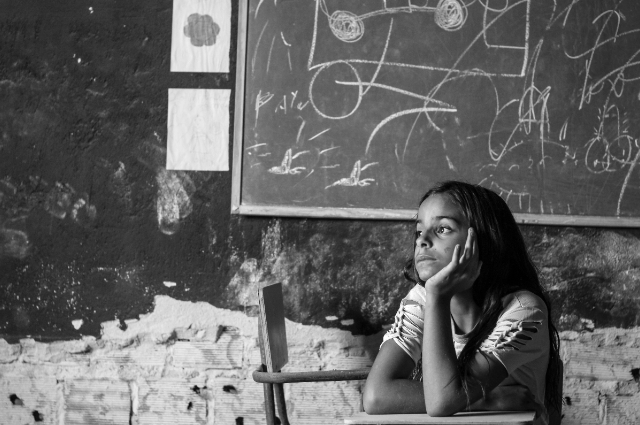
In a small village in Pune district, a nine-year-old girl lost her life over a marksheet. According to police, the child had allegedly changed her school rank on the report card. What followed was not punishment, not anger that cooled with time, but unimaginable violence. Her father allegedly killed her and then tried to burn the evidence.
The incident shocked Maharashtra and disturbed people across the country. But beyond the horror of the crime lies a deeper and uncomfortable truth: many children today grow up believing that love, respect, and approval depend on performance.
This little girl was only nine years old. At that age, children should worry about cartoons, games, school lunches, and bedtime stories. Instead, somewhere along the way, marks became powerful enough to create fear inside a child’s mind. That is what makes this story so heartbreaking.
The Weight Children Carry
In many Indian homes, academic success is treated as the biggest measure of a child’s worth. Marks are discussed at dinner tables, compared with neighbours’ children, and displayed proudly in family WhatsApp groups. Report cards often become emotional scorecards for parents as well.
Children learn very early that good marks bring smiles, praise, and rewards. Bad marks bring silence, anger, disappointment, or humiliation.
Most parents do not realize how deeply this affects a child. A nine-year-old cannot fully understand percentages, ranks, or future careers. But they do understand fear. They understand the fear of being scolded, compared, or unloved.
When a child changes marks on a report card, it is usually not because they are “criminal-minded.” It is often because they are scared — scared of reactions, scared of punishment, scared of failing expectations they are too young to carry.
A Culture of Comparison
India’s education system has long been built around competition. From nursery admissions to board exams, children are constantly pushed into races. Parents compare ranks. Relatives ask uncomfortable questions. Social pressure quietly enters every household.
“How much did you score?”
“Who came first?”
“Why can’t you be like your brother?”
These sentences may sound normal, but repeated over years, they shape a child’s self-esteem.
Sometimes adults forget that children are not machines. They cannot always be perfect. They make mistakes, lie occasionally, hide things, and fear punishment. That is part of growing up.
But when homes become places where mistakes feel dangerous, children stop feeling safe. This case painfully reflects that reality.
Violence Hidden Behind Discipline
Many people still believe harsh punishment is necessary to “correct” children. Slapping, shouting, threatening, or humiliating children is often dismissed as discipline. Society excuses it with phrases like, “Parents only want what is best.”
But there is a difference between guidance and control. There is a difference between discipline and fear.
The alleged brutality in this case was extreme and horrifying. Police said the father used a tree-cutting machine to attack the child before allegedly trying to destroy evidence by burning the body. No marksheet in the world can justify such violence.
But this tragedy also forces society to ask difficult questions about anger inside homes. Why do some parents see children as extensions of their own pride? Why do some adults react to mistakes with rage instead of understanding? Children should never feel that a bad report card can threaten their safety.
Childhood Is Not a Competition
A child who scores less is not a failure. A child who struggles in studies is not useless. A child’s value cannot be measured through ranks.
Yet many children grow up hearing the opposite. They begin believing that success equals love. Over time, anxiety replaces curiosity. Learning becomes pressure instead of joy.
India already faces rising concerns about student stress and mental health. Teen suicides over exam pressure regularly make headlines. Coaching culture, unrealistic expectations, and fear of failure are affecting children younger than ever before.
This case shows how dangerous that pressure can become when combined with anger and violence at home.
What Parents Need to Remember
Every parent dreams of a better future for their child. Wanting children to study well is not wrong. Education matters. Hard work matters. But emotional safety matters too.
Parents must remember that children are still learning how to deal with fear, shame, and failure. A calm conversation can teach more than shouting ever will. Mistakes should become moments of guidance, not terror.
Sometimes children lie because they are afraid of the truth bringing punishment. If a child feels safe enough to admit failure honestly, that is already good parenting. No exam rank is more important than trust between a parent and child.
A Society That Must Change
This tragedy is not only about one father or one family. It reflects pressures deeply rooted in society. Schools, relatives, neighbours, and even social media contribute to the obsession with achievement.
Children today are expected to excel in studies, sports, competitions, and behaviour all at once. They are photographed, judged, and compared constantly.
But childhood is supposed to include failure too. A child should be allowed to come second or tenth or simply average. Because life is much bigger than school ranks.
The death of this nine-year-old girl should not become just another shocking headline people forget after a few days. It should become a warning.
A warning about what happens when expectations lose humanity. A warning about what happens when fear enters parenting. And a reminder that children need love most when they make mistakes.
References
- Pune district police investigation details from the uploaded case document.
- National Crime Records Bureau reports on student stress and family violence trends.
- Studies on academic pressure and child mental health in India by UNICEF India.
- Reports on exam-related stress among Indian students by the World Health Organization.
- Child psychology research on fear-based parenting and emotional development.