
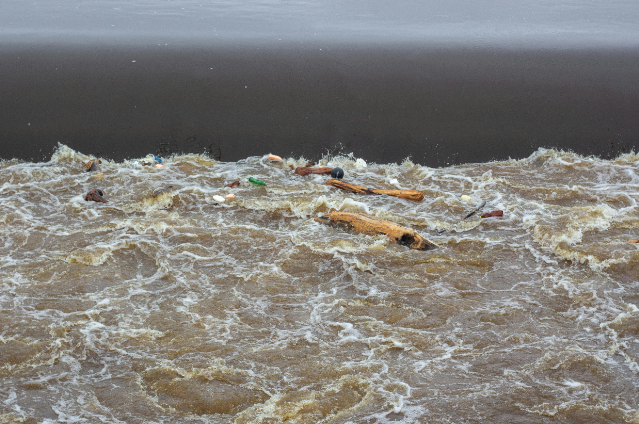
India is a country where rivers are worshipped, nature is respected, and cleanliness is connected with spirituality. The Ganga River is considered sacred by millions of people and is often called “Mother Ganga.” People pray to it, bathe in it, and perform religious rituals on its banks. Yet, despite this deep emotional connection, the river remains heavily polluted. This contradiction reflects India’s cleanliness paradox.
India faces serious challenges related to pollution, garbage management, sanitation, and public hygiene. Dirty streets, overflowing landfills, polluted rivers, and poor air quality are common problems in many cities. At the same time, India has also made progress through awareness campaigns and sanitation programs. The issue is complex and connected to social, economic, and cultural factors.
The Pollution of the Ganga
The Ganga is one of the most important rivers in India. It supports millions of people by providing water for drinking, farming, and daily life. Spiritually, it holds a special place in Indian culture. However, the condition of the river today is worrying.
Large amounts of untreated sewage from cities flow directly into the river every day. Industrial waste from factories adds harmful chemicals to the water. Plastic waste, religious offerings, and garbage are also dumped into the river. In many places, the water has become unsafe for bathing or drinking.
The pollution of the Ganga is not caused by one single reason. Rapid urban growth, weak waste management systems, and a lack of strict enforcement of environmental laws all contribute to the problem.
Population Growth and Urbanisation
One major reason behind India’s cleanliness problems is its huge population. India is home to more than 1.4 billion people. Cities are expanding quickly, but infrastructure is not growing at the same speed.
Many urban areas lack proper drainage systems, public toilets, and waste treatment plants. As more people move to cities for jobs and better opportunities, pressure on sanitation systems increases. Slums and overcrowded settlements often do not have access to proper waste disposal facilities.
Because of this, garbage and sewage frequently end up in rivers, lakes, and open spaces. Managing waste for such a large population becomes a difficult task.
Garbage and Waste Management
Garbage management remains a serious challenge in India. Many cities collect waste but do not process it properly. Huge landfill sites continue to grow near urban areas and create environmental problems.
Plastic waste is especially dangerous. Plastic bags and bottles block drains, pollute rivers, and harm animals. During the rainy season, blocked drainage systems can lead to flooding and spread diseases.
Another issue is the lack of waste segregation. Many households do not separate wet and dry waste, making recycling difficult. A large amount of reusable material ends up in landfills instead of being recycled.
Air Pollution and Public Health
India’s cleanliness crisis is not limited to garbage alone. Air pollution is another major concern. Cities like Delhi, Kanpur, and Patna often experience dangerous levels of smog and pollution.
Vehicle emissions, factory smoke, construction dust, and crop burning all contribute to poor air quality. Polluted air affects public health and increases the risk of asthma, lung disease, and heart problems.
This shows that cleanliness is not only about clean streets but also about clean air and water.
Civic Sense and Public Awareness
Public behaviour also plays an important role in cleanliness. In many places, people throw garbage on roads, spit in public spaces, or dump waste carelessly. Some people focus only on keeping their homes clean while ignoring public areas.
Lack of civic awareness and environmental education contributes to this problem. Cleanliness should be seen as a shared social responsibility rather than only the duty of the government.
However, awareness is slowly increasing. Schools, social media campaigns, and environmental movements are encouraging people to adopt cleaner habits and protect the environment.
Swachh Bharat Mission and Positive Changes
India has taken important steps to improve sanitation and cleanliness. The Swachh Bharat Mission launched by the government became one of the largest cleanliness campaigns in the country’s history.
Millions of toilets were built in rural and urban areas to reduce open defecation. Public awareness about hygiene and sanitation also increased. Many cities introduced waste segregation and recycling programs.
Although challenges remain, these efforts have brought visible improvements in several areas.
India’s cleanliness paradox reflects both the country’s strengths and weaknesses. The nation deeply respects nature and rivers like the Ganga, yet pollution and poor sanitation continue to damage the environment.
Improving cleanliness in India will require better infrastructure, stronger environmental laws, public awareness, and responsible behaviour from citizens. Protecting the Ganga and maintaining clean surroundings is not only the government’s duty but also the responsibility of every individual.
If people combine spiritual respect with practical action, India can move towards a cleaner and healthier future.
References
- Government of India. Swachh Bharat Mission (Clean India Mission).
- Central Pollution Control Board (CPCB). Reports on Water Pollution of the River Ganga.
- World Health Organisation (WHO). Air Pollution and Public Health Reports.
- Ministry of Environment, Forest and Climate Change, Government of India. Waste Management and Environmental Policies.
- National Mission for Clean Ganga (NMCG). Ganga River Conservation Reports.