
What began as an ordinary family dinner in Mumbai ended in a tragedy so shocking that it left an entire city searching for answers. At first, people believed it was a simple case of food poisoning caused by a watermelon eaten late at night. But as investigators looked deeper, the story became far darker and more mysterious.
A husband, wife, and their two young daughters were gone within hours. And the fruit that was blamed at first may not have been responsible at all.
A Family Gathering Before Disaster
According to reports, Abdullah Dokadia, a 45-year-old mobile accessories trader, lived with his wife Nasreen and their daughters, Ayesha and Zainab, in Mumbai. On Saturday evening, the family hosted a small dinner for relatives at their home. It was supposed to be a happy gathering filled with food, conversation, and family warmth.
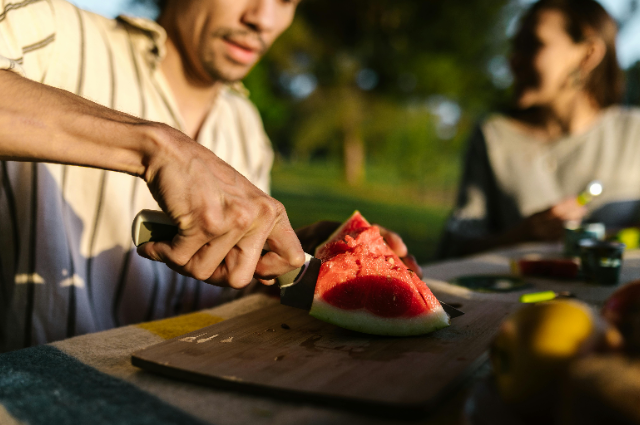
The guests reportedly ate biryani during the dinner and later left the house. After everyone had gone home, the Dokadia family stayed awake late into the night. Around 1 am, they cut and ate a watermelon together. Within a few hours, everything changed.
The Final Hours
By nearly 5 am, all four family members started suffering from severe vomiting and diarrhoea. Panic spread inside the house as their condition worsened rapidly. They were rushed to Sir JJ Hospital, where doctors tried to save them. But despite medical efforts, all four were declared dead.
The news spread quickly across Mumbai. At first, many believed the family had died because of contaminated fruit or severe food poisoning. Watermelon became the centre of the investigation because the relatives who attended dinner had eaten only the biryani and had left before the fruit was cut. None of them fell sick.Naturally, suspicion turned toward the watermelon.
The Fruit That Was Blamed
People on social media started discussing food safety and hygiene. Some blamed chemical injections in fruits, while others questioned street vendors and storage practices during the summer season. The case appeared to be another tragic reminder of how dangerous contaminated food can be. But then the investigation took an unexpected turn.
According to early autopsy findings, doctors reportedly noticed something unusual inside the victims’ bodies. Key organs, including the brain, intestines, and heart, were said to have turned green. Medical experts stated that these symptoms did not fully match a routine case of food poisoning.
A Shocking Discovery
Soon after, another detail shocked investigators even more. Forensic examination reportedly found traces of morphine in Abdullah Dokadia’s system. This discovery raised serious questions. Morphine is a strong narcotic substance generally used medically for pain relief. Its presence made investigators consider the possibility that the deaths may not have been accidental.
What initially looked like food poisoning slowly began turning into a suspected poisoning case.
Police officials later clarified that several media reports about the forensic findings were still unconfirmed and that complete toxicology and histopathology reports were awaited. However, investigators continued exploring all possible angles.
The Missing Vendor Mystery
One major challenge for the police was tracing the watermelon itself. Abdullah had reportedly told someone that he purchased the fruit from a vendor in the Null Bazar area of Mumbai. But when investigators searched for the vendor, they could not locate him. This missing link added more mystery to the already disturbing case.
As the investigation deepened, another possible angle emerged. Authorities reportedly began examining whether Abdullah Dokadia’s role as a witness in an older criminal case connected to a real estate developer could have created enemies or motives against him. Officials have not confirmed any direct connection, but the possibility of deliberate targeting has not been ruled out.
More Than Just a Food Poisoning Case
The tragedy has shaken many people because of how ordinary the night seemed before disaster struck. A family dinner is one of the most common and comforting parts of daily life. Nobody expects that a simple late-night fruit snack could become the final meal of an entire family.
The deaths of the two daughters made the incident even more heartbreaking. Teenagers with dreams, school routines, and plans lost their lives in a matter of hours. Their mother and father died beside them, leaving behind silence where a living family once existed.
Cases like these also show how quickly public assumptions can form before investigations are completed. The watermelon was immediately blamed because it appeared to be the only food consumed exclusively by the victims. But medical investigations later suggested the situation could be far more complex.
Questions Still Without Answers
This is why forensic science plays such an important role in criminal investigations. Symptoms alone do not always reveal the truth. Poisoning, contamination, and medical emergencies can sometimes appear similar in the beginning. Only detailed laboratory analysis can help determine the real cause.
The case has also highlighted concerns about misinformation. As news spread online, many unverified claims circulated rapidly. Some reports declared the fruit poisonous, while others suggested conspiracy theories without evidence. Police later urged caution and stated that the investigation was still ongoing. For now, many questions remain unanswered.
Was the watermelon actually contaminated? Was poison intentionally introduced? Was the family targeted?
Or is there another explanation yet to be discovered?Until final forensic reports arrive, the truth remains uncertain.
A Night Mumbai Will Remember
But one fact is painfully clear: four lives ended in one terrifying night. The story of the Dokadia family is no longer just about a watermelon. It is about how fragile life can be, how quickly normal moments can turn tragic, and how every unanswered question leaves behind deeper grief for those left behind.
What was supposed to be an ordinary family evening became a mystery that Mumbai may remember for a long time. And somewhere behind the headlines, forensic reports, and police investigations lies the heartbreaking image of a family that sat together for one last meal, never knowing it would be their final night.
References
- Mumbai Police investigation updates on the Dokadia family deaths.
- Sir JJ Hospital preliminary medical findings and autopsy observations.
- Forensic examination reports related to suspected poisoning traces.
- Statements by investigating officials regarding the Null Bazar watermelon vendor.
- News coverage and investigation summaries on “The Mumbai Watermelon Death Case.”