
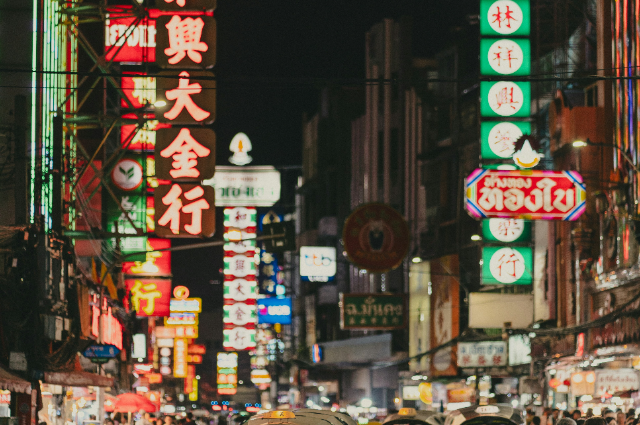
Thailand is famous for tourism, nightlife, beaches, and street culture. But one thing that also gets attention is the large sex industry in places like Bangkok and Pattaya. Many people from outside Thailand often wonder why some families there quietly accept their daughters working in this industry. The answer is not simple. It is mostly connected with poverty, family pressure, lack of jobs, and the need to survive.
Most families do not actually feel proud about it. They accept it silently because they have very few choices. For many poor families, the money earned by daughters becomes the main support for the whole household.
Poverty and Financial Problems
The biggest reason behind sex work in Thailand is poverty. Many girls come from poor villages in northern and northeastern Thailand. Farming is common there, but farming income is not stable. Sometimes crops fail because of bad weather, and families fall into debt.
When young girls move to cities looking for work, they often realise that normal jobs pay very little. Working in hotels, restaurants, shops, or factories gives long hours of work but a very low salary. In comparison, sex work can provide much more money in less time.
For poor families struggling to buy food, pay school fees, or repay loans, this money becomes very important. Some daughters start sending money home regularly, and slowly the family depends on that income.
Family Responsibility
In Thai culture, children are expected to take care of their parents when they grow up. Daughters, especially, are often seen as caring and responsible. So many girls feel pressure to support their families financially.
Some girls enter sex work mainly because they want their younger brothers or sisters to study properly. Others want to build a better house for their parents or help with medical expenses. In such situations, families sometimes ignore where the money is coming from because survival becomes more important.
Many parents do not openly ask questions. They know their daughter works in nightlife areas, but they avoid discussing it directly. Silence becomes easier than facing reality.
Lack of Education and Opportunities
Another major reason is a lack of education. Poor families cannot always afford higher education for their children. Without education or professional skills, job opportunities become limited.
In big cities, life is expensive. Rent, food, and transportation cost a lot. A normal, low-paying job may not be enough to survive. Some women see sex work as the fastest way to earn money and escape poverty.
At first, many think they will do it only for a short time. They plan to save money and later leave the industry. But once families start depending on the income, leaving becomes difficult.
Influence of Tourism
Thailand’s sex industry became more visible during the Vietnam War period when American soldiers visited Thailand for entertainment and relaxation. Later, tourism increased rapidly, and nightlife businesses grew in famous tourist cities.
Today, many tourists visit Thailand expecting nightlife experiences, which keeps the demand high. Because the industry earns a lot of money through tourism, authorities often tolerate it even though prostitution is officially illegal. This has made the industry seem normal in some places, especially in tourist areas.
Reduced Social Stigma in Some Areas
Not every part of Thailand thinks the same way about sex work. In some conservative families, it is still considered shameful. But in poorer communities where many girls go to cities for nightlife work, people sometimes see it as a practical way to earn money.
If a daughter sends enough money home to improve the family’s life, people may stay quiet instead of criticising. Some families even use the money to build houses, buy land, or educate younger children.
Still, this does not mean the emotional burden disappears. Many workers hide stress, loneliness, and social judgment behind financial success.
LGBTQ+ and Gender Issues
Thailand’s sex industry also includes many transgender women, called kathoey. Many face discrimination while applying for regular jobs, so nightlife and entertainment industries become easier places to find work.
Women in poor areas also face gender inequality and fewer career options. Because of this, some feel pushed toward work that provides fast money even if they are uncomfortable with it.
Thai families quietly accepting their daughter’s sex work is mainly connected with poverty, family responsibility, and lack of opportunities. Most families are not truly comfortable with it, but financial need forces them to accept it silently.
This issue should not be judged only from a moral point of view. Behind it are real problems like unemployment, low wages, debt, and social inequality. Many women enter the industry not because it is their dream, but because they feel they have no better option.
To reduce this problem, better education, safer jobs, and stronger financial support systems are needed so people do not have to depend on such work just to survive.
References:
- Pasuk Phongpaichit, From Peasant Girls to Bangkok Masseuses, Geneva: International Labour Organisation.
- Ronald Weitzer, Legalising Prostitution: From Illicit Vice to Lawful Business, New York University Press.
- Lisa Law, Sex Work in Southeast Asia: The Place of Desire in a Time of AIDS, Routledge Publications.
- United Nations Development Programme (UNDP) reports on poverty and gender inequality in Thailand.
- International Labour Organisation (ILO) reports on migration, labour conditions, and informal employment in Thailand.
. . .