
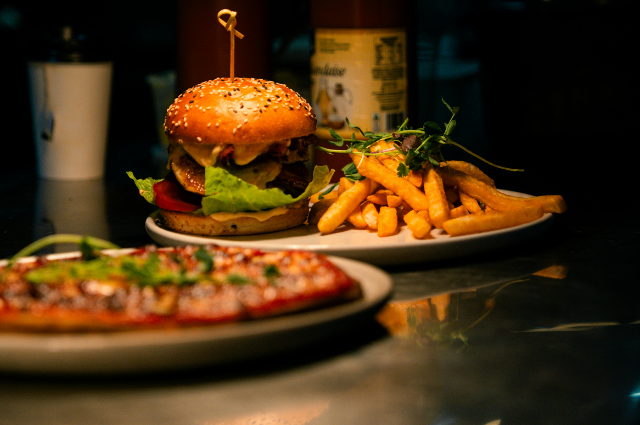
The Burger-Thali Paradox captures a quiet tension that runs through contemporary life, especially in societies shaped by long culinary histories and rapidly changing urban cultures. It sits at the intersection of memory and convenience, identity and experimentation, pride and adaptation. A thali represents a way of eating that reflects geography, seasonality, community rhythms, and inherited knowledge, while a burger often symbolises speed, uniformity, and global circulation. When these two forms meet in a single plate or concept, the result invites curiosity and sometimes discomfort, raising the question of whether fusion enriches cultural expression or gradually smooths away the textures that once made it distinct.
Food has always been a carrier of culture, yet it also evolves with migration, trade, and shifting aspirations. The idea of culinary purity rarely survives historical scrutiny, since most traditions have absorbed influences over time. Spices travelled across oceans, cooking methods crossed borders, and ingredients once considered foreign became staples. Fusion in this sense appears less like an anomaly and more like a continuation of a long human story.
At the same time, the pace and scale of modern fusion feel different. G compresses time and space, allowing a recipe to leap continents within days and appear in countless variations, often detached from its original context. In urban environments, especially among younger generations, fusion cuisine reflects a lived reality of overlapping identities. A person may grow up speaking one language at home, studying in another, consuming media from multiple countries, and forming friendships across cultural lines. Their food choices mirror this fluidity. A paneer tikka pizza or a masala burger becomes more than a novelty; it expresses a way of belonging that refuses to be confined to a single narrative. In this light, fusion can feel liberating, offering a space where creativity thrives, and rigid boundaries soften.
Yet there is another side to this story that carries a quieter, more introspective tone. Traditional food practices often involve more than taste. They encode rituals, relationships, and a sense of continuity with previous generations. A thali, arranged with care, carries meanings about balance, hospitality, and the rhythm of daily life. When such practices are reimagined into fast, handheld formats, something shifts in how people engage with food.
The act of sitting together, sharing, and savouring may give way to eating on the move, driven by efficiency rather than connection. This shift raises concerns about cultural erosion, even when no single moment feels like a loss. The transformation happens gradually, through small substitutions and changing habits. A generation grows up more familiar with hybrid dishes than with the traditional forms that inspired them. Over time, the reference point itself begins to fade. What was once an experiment becomes the norm, and the original practice risks being remembered as a relic rather than a living tradition.
At the same time, it would be too simple to frame this as a story of disappearance. Many communities actively preserve and revive traditional foodways, often with renewed pride. Festivals, family gatherings, and regional movements keep these practices visible and meaningful. Fusion, in some cases, even sparks interest in the roots it draws from. A person who enjoys a fusion dish may become curious about its origins and seek out more authentic experiences. In this way, fusion can act as a bridge rather than a barrier.
Economic factors also play a significant role in shaping the Burger-Thali Paradox. The food industry responds to consumer demand, and fusion often aligns with market trends that favour novelty and accessibility. Restaurants and brands experiment with hybrid offerings to attract attention and cater to diverse audiences. This dynamic creates opportunities for innovation and entrepreneurship, yet it also risks commodifying cultural elements in ways that strip them of depth. When a dish becomes a product designed for mass appeal, its story may be simplified or overlooked.
The language used to describe fusion food reveals another layer of complexity. Terms like “modern,” “global,” or “trendy” often carry implicit value judgments, suggesting that traditional forms belong to the past while fusion represents progress. Such narratives can influence how people perceive their own cultural heritage. A young person might feel that embracing traditional food marks them as outdated, while choosing fusion signals openness and sophistication. These subtle pressures shape identity in ways that extend beyond the dining table.
Social media amplifies these dynamics, turning food into a visual and shareable experience. Fusion dishes, with their striking combinations and unexpected presentations, lend themselves easily to this environment. A brightly colored burger filled with familiar flavours from a different cuisine can travel across platforms, gathering likes and comments. This visibility reinforces the appeal of fusion, yet it also reduces food to an image, sometimes overshadowing the context and craftsmanship behind it. Traditional dishes, which may rely on nuance rather than spectacle, can struggle to compete in this space.
Despite these tensions, many chefs and home cooks approach fusion with a deep sense of respect and responsibility. They study the traditions they draw from, engage with communities, and aim to create dishes that honor rather than dilute their sources. In such cases, fusion becomes a dialogue rather than a takeover. It reflects an awareness that culture is shared and evolving, while still acknowledging the importance of roots. This approach requires time, humility, and a willingness to listen, qualities that stand in contrast to the fast-paced nature of much contemporary food culture.
The Burger-Thali Paradox also invites reflection on what it means to preserve culture in a changing world. Preservation does not always imply freezing a tradition in time. Cultures remain alive when they adapt, respond, and find relevance in new contexts. The challenge lies in maintaining a connection to meaning while embracing change. A thali can evolve in presentation or ingredients while still conveying its essence of balance and community. A burger can incorporate local flavours in a way that feels grounded rather than superficial.
Education plays a crucial role in navigating this balance. When people understand the histories and values behind their food, they are better equipped to engage with fusion thoughtfully. Schools, families, and cultural institutions can contribute by sharing knowledge about regional cuisines, seasonal practices, and the stories embedded in everyday meals. This awareness creates a foundation that allows experimentation to flourish without losing sight of its origin.
There is also a personal dimension to the paradox, shaped by individual choices and experiences. Each person negotiates their relationship with food in their own way, influenced by upbringing, environment, and aspiration. For some, fusion offers comfort and familiarity in a world that feels fragmented. For others, it raises questions about authenticity and belonging. These responses coexist, reflecting the diversity of perspectives within any society.
The idea of authenticity itself deserves careful consideration. It often carries an expectation of purity that may overlook the inherently dynamic nature of culture. A dish considered traditional today may have been a fusion of influences in the past. Recognizing this complexity can ease some of the anxiety surrounding change, while still allowing space to value continuity and depth. Authenticity, in this sense, becomes less about rigid definitions and more about intention, context, and respect.
As cities grow and lifestyles evolve, the ways people eat will continue to change. Time constraints, mobility, and exposure to global influences shape daily habits. Fusion cuisine fits naturally into this landscape, offering flexibility and variety. The question of whether it erases roots may have no single answer, since its impact depends on how it is p and perceived. It can coexist with tradition, challenge it, or overshadow it, depending on the choices made by individuals and communities.
The Burger-Thali Paradox ultimately reflects a broader human experience of navigating continuity and change. It speaks to the desire to honor the past while engaging with the present, to remain grounded while exploring new possibilities. Food becomes a lens through which these tensions are felt and expressed, making the conversation both intimate and collective.
A neutral perspective acknowledges that fusion carries both promise and risk. It can inspire creativity, foster connection, and reflect the complexity of modern identity. It can also contribute to the gradual fading of practices that hold deep cultural significance. The outcome depends on awareness, intention, and the willingness to engage with food as more than a commodity.
In everyday life, this might mean taking the time to learn a traditional recipe from a family member, even while enjoying a fusion dish with friends. It might involve supporting local cuisines alongside exploring global trends. Small acts of attention and care can sustain cultural richness in ways that grand debates often overlook.
The image of a burger and a thali sharing space on the same table does not have to signal a loss. It can also represent a moment of encounter, where different ways of eating and being come into conversation. Whether that conversation leads to deeper understanding or quiet erasure depends on how it is held.
References:
- Research Gate
- Research Gate
- Chandigarh Philosophers
- Chandigarh Philosophers
- arXiv
- Several Instagram posts hinting at a modern twist or take on culturally significant dishes and cuisine.