
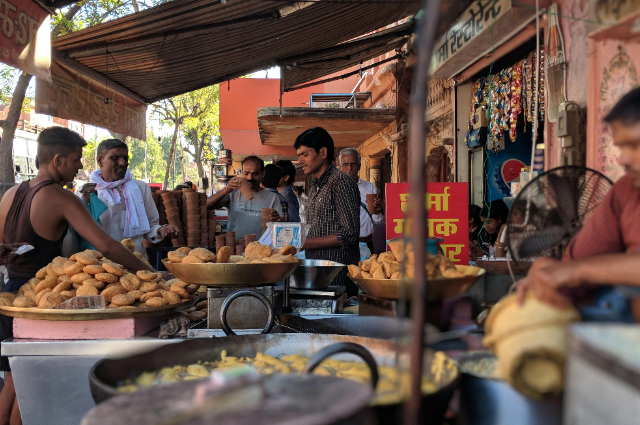
Food has always been more than something people eat, since it carries memory, culture, and a sense of belonging, and in many parts of India, street food has long stood as a symbol of affordability, comfort, and everyday joy for people from all walks of life. For decades, local vendors served simple dishes on busy streets, outside train stations, near schools, and in crowded markets, and these meals were prepared with care, strong flavours, and an understanding of what people needed, which was food that was filling, tasty, and within reach of almost every pocket.
A plate of chaat, a roll, or a cup of cutting chai was never just about hunger, since it was also about routine, about meeting friends, about taking a break after work, and about feeling connected to the rhythm of the city without spending much money. These food spaces were open and shared, where people from different backgrounds stood side by side, ate quickly or slowly, and experienced the same taste without any barrier of class or status, and this made street food one of the most equal spaces in urban life.
Over time, as cities grew and global attention turned toward Indian cuisine, these same foods began to attract a different kind of interest, one that saw them as unique, trendy, and full of business potential, and this marked the beginning of a quiet but powerful shift. Small dishes that once belonged to the streets slowly entered cafes, restaurants, and curated food spaces, where they were presented in new ways, often with changes in appearance, portion, and pricing, and this transformation was shaped by both ambition and market demand.
Entrepreneurs and investors saw an opportunity to take familiar flavours and turn them into branded experiences, where the setting, design, and presentation added a sense of exclusivity, and in this process, the same food began to carry a higher price tag. This shift reflects a larger economic pattern, where something that begins as accessible and local gains popularity, and as demand increases, it becomes part of a system that values profit, branding, and differentiation, often moving it away from its original audience.
For many people, this change brings mixed emotions, since there is a sense of pride in seeing local food gain recognition and respect, yet there is also a feeling of loss when the same food becomes less affordable for the very communities that created it.
The language around food also begins to change, with simple names replaced by more refined descriptions, and dishes that were once eaten casually now appear on menus with careful presentation, which can create distance between the food and its roots.
This transformation is closely tied to ambition, since many business owners aim to elevate street food into something that can compete in formal dining spaces, and while this can create new opportunities and jobs, it also changes the meaning of what that food represents.
Street vendors often face challenges in this new environment, since they may not have the resources to match the scale, marketing, or pricing strategies of larger businesses, and this can lead to a situation where original creators struggle while others benefit from their ideas.
At the same time, customers play a role in this transition, since changing preferences and the desire for new experiences drive demand for curated versions of familiar dishes, and this demand encourages businesses to continue reshaping traditional food.
What was once valued for its simplicity and accessibility becomes valued for its presentation and uniqueness, and this shift reflects the influence of capitalism, where perception and experience can become as important as the product itself.
The emotional impact of this change is often quiet but deep, since food is closely tied to identity and memory, and when it becomes part of a luxury experience, it can feel like a piece of everyday life has been moved out of its context.
It is shaped by an intricate complex interaction of ambition, market forces, cultural pride, and changing lifestyles, and each of these factors contributes to the way food moves from the street to more formal spaces.
Yet the question remains about balance, about whether it is possible to celebrate and grow local food culture without losing its accessibility, and whether economic growth can include the people who built that culture in the first place.
Some efforts have been made to support street vendors through recognition, regulation, and inclusion in larger food networks, and these steps suggest that change does not have to mean exclusion, even though challenges still exist.
The story of gentrified food is ultimately a story about transition, where affordability meets popularity, and popularity meets profit, and in this journey, something is always gained while something else may be left behind.
It reminds us that food is not only about taste or business, since it also reflects social structures, economic realities, and human emotions, all of which shape how people experience something as simple and as meaningful as a shared meal.
In the end, the rise of luxury versions of street food invites reflection on what people value and how they define progress, since true growth may lie in finding ways to honour tradition while still allowing space for change, without losing the sense of connection that made these foods special in the first place.
Resources
- FAO.org
- WorldBank.org
- Sagepub.org
- ScienceDirect.com
- Instagram reels showing multiple street food dishes being rebranded and sold in fancy restaurants at a higher price.