
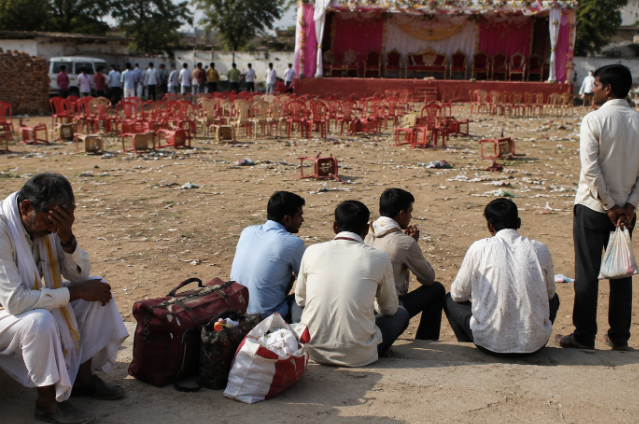
The dream of getting married and starting a home is a big part of life for many people in India. This is especially true in villages and small towns where a wedding is not just for two people but for the whole community. It is a time of immense pride, collective joy, and the fulfilment of deep family duties. But this beautiful desire for family can sometimes be turned into a cruel trap by people who want to steal money. In a very strange and deeply sad story from the Dewas district of Madhya Pradesh, forty-two families found out how devastating these traps can be. They all went to a mass wedding ceremony dressed in their very best clothes, holding onto a beautiful future, only to find out that the brides they were promised did not actually exist. What should have been the happiest day of their lives turned into a nightmare of lies, public humiliation, and stolen savings.
This heartbreaking situation highlights a massive problem that goes far beyond simple theft. The real issue here points directly to a dark and uncomfortable reality: India killed its daughters, and now it cannot find brides. The difficulty many families face in finding suitable matches for their sons in regions like Madhya Pradesh is not an accident. It is the direct consequence of decades of female foeticide, deep-seated cultural biases, and the systemic marginalisation of women. For generations, traditional structures preferred male heirs, creating a profound shortage of women that is now coming due. The scammers took advantage of this quiet desperation and emotional vulnerability. By promising matches with young women from a real and respected orphanage in Indore called Matru Chhaya Ashram, the organisers intentionally used the name of a charitable institution to completely disarm the natural caution of these hopeful parents.
It is impossible not to feel deep empathy for the victims when imagining the sheer cruelty of how this scam played out on May 24. These forty-two families did not just lose their hard-earned money; they lost their dignity in the most public way possible. They arrived at the Dewas wedding ground in large, joyful caravans, carrying gifts, sweets, and music, expecting to celebrate a major life milestone. Instead, they stepped onto a mostly empty ground with no decorations and no food. The organisers, Mukesh Bairagi and his wife Sunita, were present and kept making smooth excuses. They told the families that the buses bringing the brides from Indore were just stuck in traffic. Families were forced to sit in the sweltering heat for over fourteen hours, holding onto shrinking hopes until ten o'clock at night. Imagine the crushing weight of realisation that hit these parents and young men when the truth finally came out, and the police had to intervene. They had to return to their villages in complete silence and humiliation, facing the stares of their neighbours with empty pockets and shattered dreams.
The financial loss of twelve thousand to twenty thousand rupees from each groom is devastating on its own for rural labourers who save every single penny for years. The total amount stolen climbed to over ten lakh rupees, which represents a fortune to these families. But the emotional scars left by this public embarrassment will take much longer to heal. The scammers even used clever psychological tricks to isolate the victims, telling them to skip traditional pre-wedding rituals at home like applying haldi or mehendi. They claimed that all ceremonies had to be done together at the mass venue. They even told the men to travel in everyday clothes under the lie that their fancy wedding outfits would be provided on site. This was a calculated move to keep the families from talking to neighbours who might ask questions and break the illusion before the money was safely pocketed.
The most painful part of this entire situation is how it exposes the deep vulnerability of India's rural villages. These families were not tricked because they were foolish; they were tricked because they were desperate to find happiness and respect for their sons in a society that places an immense value on marriage, yet has a massive shortage of women. The scammers did not just steal money; they actively looked for communities that have less access to city resources and used high-tech lies to exploit their traditional way of life. By turning a sacred family milestone into a heartless business trick, the fraudsters showed a complete disregard for the dignity of hard-working villagers. This tragedy leaves behind a deeply troubling question for the future. As modern technology spreads faster than digital safety education, how can we protect innocent rural families from having their trust, their hopes, and the consequences of past societal mistakes turned into a playground for online criminals?\
References: