
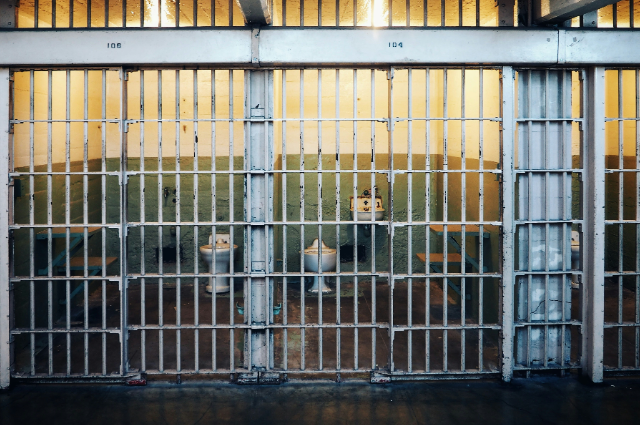
On May 12, 2026, the historic Chanchalguda Central Jail in Hyderabad opened its iron-grilled doors to a new kind of inmate: the paying public. Under the Telangana Prisons Department’s “Feel the Jail” — *Jail Anubhavam* — programme, ordinary citizens can now purchase a carefully curated taste of captivity. For ₹1,000, visitors receive a 12-hour stay; for ₹2,000, a full 24-hour experience. The routine intentionally strips away comfort. Participants sleep on hard floors, eat basic meals from steel utensils, and listen to the heavy clang of iron gates locking them inside for the night. Unsurprisingly, the initiative went viral almost immediately, marketed as an edgy, unforgettable experience. Yet beneath the novelty of temporarily trading comfort for confinement lies a far deeper moral question: does simulating imprisonment create genuine empathy, or does it reduce human suffering to a form of entertainment?
If “Feel the Jail” is to mean anything beyond a middle-class excursion into punishment and poverty, it cannot remain a passive tourist activity. It must become a mirror reflecting the failures of India’s criminal justice system. The real value of the programme should not be measured by what visitors feel when the iron doors close at night, but by what they choose to do when those doors open again in the morning and they walk free.
The Telangana Prisons Department argues that the initiative creates awareness about prison life, discourages criminal behaviour, and builds empathy toward inmates. There is some truth in this claim. Even a brief encounter with physical confinement — the coldness of the barracks, the loss of personal space, and the rigid routine — can unsettle a comfortable person. It momentarily forces visitors to confront the reality of state-controlled confinement. However, the experience contains a psychological flaw that cannot be ignored: participants always know they can leave.
That certainty changes everything. When a visitor hears the heavy iron gate slam shut, they experience a mix of discomfort and excitement. But when an actual inmate hears that same sound, it represents something entirely different — the suffocating permanence of lost freedom, uncertainty, and despair. The visitor carries a return ticket home; the inmate carries the burden of a stalled life. This distinction matters because prison is not merely about hard floors or simple food. Real incarceration is defined by separation from family, loss of agency, fear of violence, mental deterioration, and the constant uncertainty of the future.
By recreating only the physical aesthetics of imprisonment while excluding its emotional and psychological terror, the programme risks trivialising the lived reality of incarceration. It packages confinement into a consumable experience while leaving the true trauma of prison invisible.
The deeper ethical problem arises when we examine who can pay to enter these cells and who cannot afford to leave them. The people spending ₹2,000 for a simulated prison stay are largely middle-class or affluent citizens with economic stability, education, and social mobility. Yet India’s actual prison population represents the opposite reality.
According to data from the National Crime Records Bureau, Indian prisons operate at an average occupancy rate exceeding 131%. In comparison, nearly 74% of inmates are undertrials — individuals who have not yet been convicted of any crime. Many remain imprisoned simply because they cannot afford bail or legal representation. In countless cases, freedom is delayed not by guilt, but by poverty.
Marginalised communities, particularly Dalits, Adivasis, and Muslims, remain heavily overrepresented within India’s prison system. The typical inmate is rarely a criminal mastermind; more often, they are poor, socially vulnerable individuals trapped within an overburdened judicial system moving at a painfully slow pace.
This contrast exposes the uncomfortable truth at the heart of “Feel the Jail.” One person spends ₹2,000 to experience imprisonment as a novelty, while another remains behind bars for years because they do not possess that same ₹2,000 for bail. Seen through this lens, the programme risks sanitising and whitewashing a humanitarian crisis. It allows the state to project openness and innovation while systemic injustice continues within the same walls.
The initiative does include an educational component through the Telangana Prisons Museum, which documents the history of punishment from the Nizam era to the present. One particularly striking exhibit explains how prisoner labour contributed to the construction of the Nagarjuna Sagar Dam between 1961 and 1968. This detail reveals an uncomfortable continuity in how prisoners have historically been viewed — either as dangerous individuals requiring containment or as sources of labour for state development.
Even today, the justification for “Feel the Jail” leans heavily on utility. Officials emphasise that tourism revenue will support inmate welfare and prison maintenance. While funding rehabilitation programmes is commendable, this framework still reduces prisons to economic systems that must justify themselves financially.
What India’s justice system urgently requires is a genuinely humanistic perspective. Prisoners are not historical artefacts, tourist props, or economic resources. They are human beings with dignity, rights, and the potential for rehabilitation. If visitors leave the museum merely impressed by engineering projects built through prison labour, then the deeper lesson has been missed entirely. The more important question is why, decades later, India still depends so heavily on the mass incarceration of the poor and marginalised.
Supporters of the programme often compare it to forms of “dark tourism,” where people visit places associated with suffering and historical trauma, such as the Cellular Jail or even sites like Auschwitz. Such places can indeed provoke moral reflection. However, there is a crucial difference between visiting a historic site of past atrocities and participating in an immersive experience inside an active prison where human suffering continues in real time.
If visitors leave Chanchalguda only with dramatic stories to share on social media or at dinner parties, then the initiative has failed. It becomes little more than performative hardship — a controlled flirtation with discomfort before returning safely to privilege. But the programme does not have to remain shallow. It possesses the potential to become a catalyst for reform.
Real empathy is not passive sympathy. It is the recognition of responsibility. The most meaningful outcome would be for visitors to walk out asking a single question: *How can I help those who cannot walk out beside me?*
The Telangana Prisons Department has already succeeded in drawing public attention toward prison life. The next step is ensuring that curiosity evolves into action. Visitors could be encouraged to support legal aid funds for undertrials unable to afford bail. They could advocate for judicial reforms, faster courts, and humane prison conditions. They could volunteer in literacy initiatives, rehabilitation programmes, and vocational training efforts that help inmates rebuild their lives after release.
The true purpose of “Feel the Jail” should not be entertainment. It should be a transformation.
The iron bars of Chanchalguda should never become a backdrop for thrill-seeking tourism. They should instead serve as a reminder of a justice system struggling with overcrowding, inequality, delayed trials, and systemic neglect. When morning arrives, and the prison gates open for temporary visitors, those individuals return to lives filled with movement, choice, and freedom. Yet only a few hundred yards away, thousands remain confined — not for a night, but for years — trapped by poverty, delayed justice, and social invisibility.
Ultimately, the value of the ₹2,000 ticket is not the experience inside the barracks. Its true worth lies in whether it inspires a lifelong commitment to building a justice system that is faster, fairer, and more humane for those who cannot afford the price of freedom.
References:
- https://timesofindia.indiatimes.com
- https://www.thehindu.com
- https://m.economictimes.com
- https://www.newindianexpress.com
- https://ncrb.gov.in
- https://www.tandfonline.com