
The disturbances that swept through Noida in April 2026 were the visible expression of a deeper strain that has been building within one of North India’s most important industrial corridors. For years, the city has stood as a symbol of India’s manufacturing ambitions, with its clusters of garment exporters, hosiery units, electronics assemblers, and auto-component suppliers feeding both domestic markets and global supply chains. Beneath this image of productivity and growth, however, lies a workforce that has struggled to keep pace with the rising cost of living, uneven wage structures, and inconsistent workplace protections. When thousands of workers stepped out of factories and onto the streets, the protests brought these underlying tensions into sharp public focus.
At the centre of the unrest lies a question that has become increasingly difficult for workers to ignore: why should wages differ so sharply across neighbouring states that share similar industrial ecosystems? The trigger for the protests came from developments in Haryana, where the state government recently increased minimum monthly wages to ₹19,000. In Noida, located just across the border in Uttar Pradesh, wages for comparable work remain closer to ₹13,000. This disparity has turned into a defining grievance, especially for garment workers whose labour sustains export-driven businesses that rely on tight production schedules and competitive pricing.
The comparison with Haryana has gained symbolic weight because of the geographical proximity and economic similarity between the two regions. Workers in Noida often live in conditions that mirror those across the border, facing comparable rents, transport costs, and food prices. In many cases, entire families depend on a single income that barely stretches across monthly expenses. As inflation continues to reshape household budgets, the gap between earnings and expenditure has widened in ways that feel increasingly unsustainable.
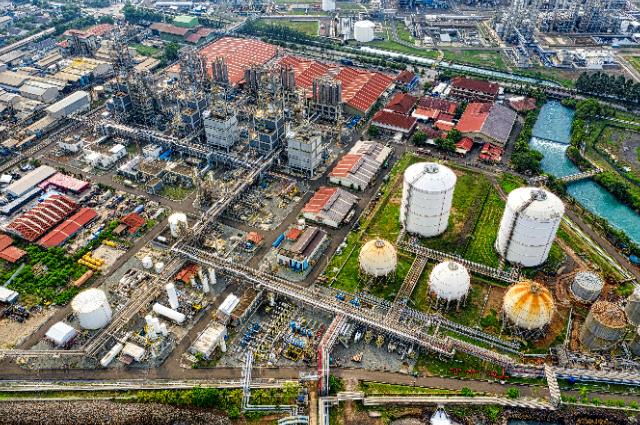
Noida’s industrial landscape magnifies the significance of this issue. The region is home to more than 300 factories, ranging from small-scale subcontracting units to large manufacturing facilities linked to multinational corporations. Garment export houses and hosiery clusters form a substantial part of this ecosystem, employing a large number of migrant workers who arrive from different parts of the country in search of stable employment. Alongside them operate major suppliers connected to global automotive and electronics brands, including facilities associated with large industrial groups such as Motherson. This dense network of production has created an environment where labour concerns can spread rapidly across sectors, especially when workers recognise shared challenges.
The protests began with a sense of purpose that reflected both urgency and restraint. Workers gathered in industrial areas such as Phase 2 and Sector 60, raising demands that extended beyond wages to include fixed duty hours, proper overtime compensation, and safer working conditions. Many participants described their decision to protest as a last resort after repeated attempts to seek redress through informal channels yielded little progress. In the early stages, the demonstrations retained a disciplined character, with workers hoping that visibility and collective pressure would prompt meaningful engagement from authorities.
As the days passed, the absence of a clear resolution began to strain that discipline. Crowds grew larger, emotions intensified, and the atmosphere shifted from controlled demonstration to volatile confrontation. On the third day, scattered incidents escalated into widespread unrest. Vehicles were set on fire, factory premises were damaged, and clashes broke out between protesters and police. Law enforcement responded with measures aimed at dispersing the crowds, including the use of tear gas, while arrests followed in the aftermath of the violence. Several police personnel sustained injuries, adding another layer of tension to an already fraught situation.
The disruption extended well beyond the immediate sites of protest. Noida’s position as a key connector between Delhi and surrounding regions meant that even localized unrest had far-reaching consequences. Traffic movement slowed to a crawl along major routes such as the DND Flyway and the Chilla Border, with diversions creating long delays for commuters and commercial vehicles. For many residents, the protests transformed daily routines into hours of uncertainty, illustrating how closely industrial stability is tied to the broader rhythm of urban life.
Amid the images of confrontation and disruption, the voices of workers continued to emphasise the conditions that had brought them to this point. Rising living costs have steadily eroded the value of wages that were already modest. Rent consumes a significant portion of monthly income, especially in densely populated areas where workers often share limited space to reduce expenses. Food prices have climbed, transport costs have increased, and educational expenses for children have become more demanding. Each of these factors contributes to a financial reality where savings remain elusive and unexpected expenses can quickly lead to debt.
The demand for wage parity with Haryana has therefore become a focal point that encapsulates broader concerns about fairness and dignity. Workers argue that industries operating within the same economic belt should reflect comparable standards of compensation, especially when production expectations and output levels remain high. The presence of a higher wage structure in a neighbouring state reinforces the belief that change is both necessary and achievable.
Alongside wages, the protests have drawn attention to structural issues within factory environments. Duty hours often extend beyond standard limits during periods of high demand, creating physical and mental strain. Overtime practices vary widely, with reports of delayed or inadequate compensation adding to worker dissatisfaction. Formal grievance mechanisms remain limited in many units, leaving employees with few options to address disputes or raise concerns without fear of retaliation.
Women workers, who form a significant part of the garment workforce, have highlighted the need for safer and more accountable workplace environments. Concerns related to harassment and inadequate reporting systems have underscored the importance of institutional safeguards. The call for a dedicated committee led by a woman to handle such cases reflects a growing awareness of the need for structured and sensitive responses to workplace issues.
In response to the escalating unrest, the Uttar Pradesh government introduced a set of measures aimed at addressing immediate concerns and restoring stability. These included provisions for mandatory weekly offs, enhanced compensation for overtime and holiday work, timely salary payments, and annual bonuses within a defined timeframe. The announcement of a formal complaints system, along with the formation of a high-level committee to examine the root causes of the crisis, signalled an effort to engage with both immediate demands and long-term challenges.
These measures have provided a degree of reassurance, yet their effectiveness will depend on consistent implementation. Workers have expressed cautious optimism, tempered by past experiences where policy announcements did not always translate into sustained change on the ground. The rebuilding of trust requires a steady demonstration of accountability, supported by mechanisms that ensure compliance across all levels of the industrial network.
Employers face a parallel set of pressures shaped by the demands of global supply chains and competitive markets. Many factories operate within cost structures that leave limited room for sudden adjustments, particularly smaller units that depend on subcontracting arrangements. Balancing worker welfare with operational viability remains a complex task, one that calls for collaborative solutions rather than unilateral decisions.
The events in Noida reflect a broader moment of transition within India’s industrial landscape. As workers become more aware of their rights and more connected through shared experiences, collective action has begun to take on a new scale and intensity. Similar developments in neighbouring regions suggest that labour issues are gaining prominence across industrial belts, driven by a combination of economic pressures and rising expectations.
The scenes of unrest that captured national attention form only one part of this unfolding story. Beneath them lies an ongoing negotiation over the terms of work, compensation, and dignity in a rapidly evolving economy. The outcome of this negotiation will shape the future of industrial relations in Noida and beyond, influencing how growth is shared among those who contribute to it.
As factories resume operations and daily routines gradually return, the underlying questions remain firmly in place. The challenge now lies in ensuring that the momentum generated by the protests leads to meaningful and lasting improvements. The answer will determine whether the events of April 2026 are remembered as a moment of disruption or as a turning point in the pursuit of a more equitable industrial order.
References: