
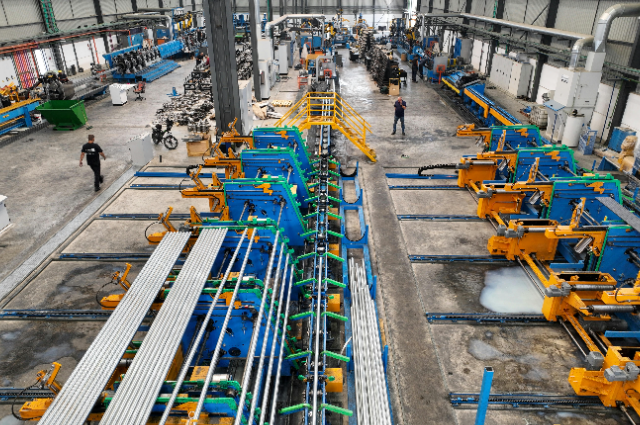
In the industrial stretches of Noida, daily life has long been shaped by repetition, discipline, and careful budgeting. Factory gates open before sunrise, machines begin their steady noise, and thousands of minimum wage workers step into roles that often demand more hours than recognition. For many households, the month is planned around fixed earnings that leave little space for comfort or uncertainty. Over time, this system has been accepted as routine, even when it has remained tight and unforgiving.
A sense of stability in this routine has been unsettled after a wage revision was announced in Haryana. The increase in minimum wages across nearby industrial regions, including Gurugram, created an immediate point of comparison for workers in Noida. The difference in pay for similar work began to feel personal, almost like a quiet reminder delivered every payday. What had once been separate administrative decisions across states slowly turned into a shared emotional concern among labourers who move within the same industrial ecosystem.
As conversations spread across factory floors and rented rooms, the issue gained emotional weight. Workers who performed similar tasks, often under similar conditions, began to question why their effort appeared to carry a different value depending on location. The gap, often described as around six thousand rupees in certain categories, became more than a figure. It became part of daily discussion, shaping expectations and frustrations in equal measure. For families already balancing rising living costs, this difference carried a strong sense of imbalance.
Industrial employers in Noida have been placed under pressure as these concerns have grown. Many manufacturing units operate within narrow cost margins, particularly those linked to export supply chains where pricing is tightly controlled. Any adjustment in wages is often met with hesitation, as it affects production costs and competitiveness. This delay in response has added to uncertainty among workers, who have found themselves waiting for clarity while continuing with demanding schedules.
As uncertainty persisted, collective frustration gradually found expression in protest. In several industrial areas, work was interrupted as groups of workers gathered to demand wage parity with neighbouring regions. Streets that usually carried the movement of goods and labour briefly became spaces of confrontation and negotiation. The unrest reflected not only anger over pay but also a deeper desire for recognition and fairness within a system that often feels distant from those who depend on it most.
The response from authorities came in the form of an interim wage revision in Uttar Pradesh, with an increase applied across select categories. While this adjustment was intended to ease immediate pressure, it did not fully resolve the concerns that had already taken root. For many workers, the revised structure still felt misaligned with neighbouring states, and questions about consistency and implementation continued to remain.
Alongside wage concerns, broader issues around livelihood began to surface. Rising rent, transportation costs, and daily expenses in Noida have placed additional strain on minimum wage earners. Even small differences in monthly income have been felt strongly when distributed across essential needs. In many households, financial planning has become increasingly fragile, with little room left for unexpected expenses.
At the same time, employers have continued to express concern about the impact of wage increases on industrial sustainability. Export-oriented units in particular operate in highly competitive environments where pricing flexibility is limited. Any rise in labour costs is often absorbed with difficulty, creating tension between maintaining fair wages and preserving employment levels. This economic pressure has added another layer of complexity to an already sensitive situation.
Labour experts have also drawn attention to how wage revisions can influence access to social security systems such as provident funds. In some cases, adjustments in pay structures have led to confusion about eligibility and coverage, creating further uncertainty among workers who rely on long-term financial protection. These concerns have added depth to the debate, extending it beyond immediate earnings into future security.
During periods of unrest, normal industrial activity has been disrupted. Production schedules have been affected, transport routes have faced temporary blockages, and small businesses dependent on the daily movement of workers have experienced loss of income. These disruptions have shown how closely interconnected industrial life is, where even brief interruptions can ripple across multiple levels of the local economy.
As tensions unfolded, discussions around fairness and parity became central to the conversation. The wage gap between neighbouring states has highlighted how closely linked industrial regions are, and how quickly policy decisions in one area can influence expectations in another. For workers, the issue has remained grounded in lived experience rather than abstract policy. The difference in pay has been felt in homes, in market purchases, and in the ability to plan for the future.
Administrative steps have been introduced to stabilise the situation, including revisions in overtime rules, weekly rest policies, and certain welfare measures within industrial units. Efforts have also been made to improve communication between stakeholders. However, trust takes longer to rebuild than policy takes to announce, and the effects of recent tensions continue to be felt in parts of the industrial belt.
In the background of these developments lies a deeper reflection on how labour is valued. The situation in Noida has brought attention to the fragile balance between economic growth and human stability. When wages shift unevenly across regions, the impact is experienced most directly by those who live closest to the margin. For them, even small changes carry significant weight, shaping decisions that affect entire families.
As activity slowly returns to normal in many areas, the memory of this period remains present in conversations and expectations. Work continues, machines continue, and production resumes its rhythm, yet awareness of wage differences has become more pronounced. A sense of comparison now sits quietly alongside daily labour, influencing how fairness is understood. The situation has shown how closely economic systems are tied to human lives, and how quickly shifts in policy can reach into homes and households.
In Noida’s industrial landscape, where work and survival are closely linked, this experience has left a lasting impression. A demand for balance continues to exist beneath the surface of routine life, shaped by the simple hope that effort and reward may one day feel more aligned across the regions that share the same work, the same industries, and the same aspirations.
References :
- Reuters
- Reuters
- The Times of India
- The Times of India
- The Times of India
- Business Standard
- Business Standard
- Indian Express
- Economic Times
- Economic Times