
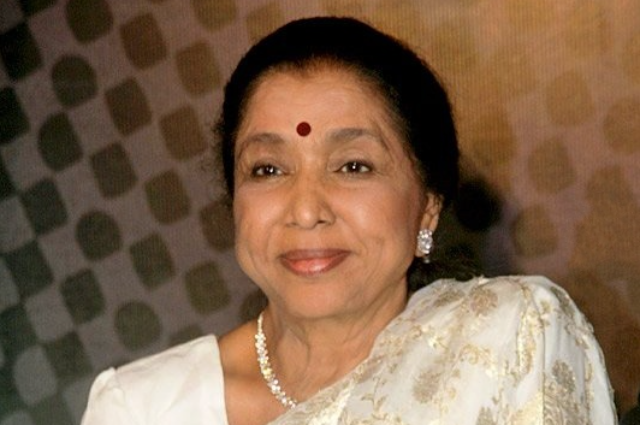
Asha Bhosle’s name has been carried across decades of Indian music with a weight that is both artistic and cultural. Her presence in playback singing shaped everyday listening for millions who may never have seen the singer, yet knew the emotions carried through each recording. In homes filled with radios, in streets where old film songs played from small speakers, and in the quiet corners of long train journeys, her songs became part of lived experience. A career of this scale has often been discussed in terms of numbers, awards, and milestones, yet the deeper effect has always been personal and quiet.
Born into a family already closely connected with music, early life was shaped alongside her elder sister, Lata Mangeshkar. A shared childhood was marked by struggle after the passing of their father, and music became both responsibility and survival. While one sibling was often placed in the spotlight early, attention was not evenly distributed in those formative years. That imbalance created space for a different kind of growth. A separate path was formed through persistence, patience, and constant reinvention.
In the early phase of playback singing, work was not immediately defined by recognition. Songs were recorded across a wide range of film studios where long hours and repeated takes were common. The industry at that time was still evolving, and competition was intense. Within this environment, adaptability became a defining strength. A wide vocal range was developed through continuous experimentation. Classical influences were blended with lighter, more playful styles, allowing songs to move across genres with ease.
As film music expanded during the 1950s and 1960s, opportunities increased, but so did expectations. Distinctive identity was gradually shaped through willingness to take on unconventional compositions. Songs that required emotional contrast were handled with ease, shifting from soft romantic tones to energetic cabaret numbers without hesitation. This flexibility allowed music directors to explore new sounds, and audiences began to associate that voice with variety and unpredictability.
While one sibling became widely regarded as the primary classical standard in playback singing, the other voice found its own space in experimentation and modern expression. The contrast between both created a balance in Indian cinema music that influenced generations of listeners. Together, their contributions formed a foundation that defined the golden era of film music. The comparison between them often overshadowed individual identity, yet each maintained a distinct style that served different emotional landscapes in cinema.
Recognition from international platforms arrived much later in the career. Grammy nominations were received for collaborative global projects, bringing attention from audiences outside India. This moment reflected a slow shift in how Indian music was being viewed globally. Decades of work had already been appreciated within the country, but global acknowledgment added a different layer of visibility. Indian playback singing gained wider discussion in international spaces, and attention was drawn to the depth of its musical tradition.
Through years of consistent work, a large catalogue of songs was built across languages, moods, and film industries. Hindi cinema remained central, but contributions extended into regional music as well. Each recording carried a different emotional texture, shaped by the needs of storytelling in films. Romantic songs carried softness and longing, while dance numbers brought energy and rhythm that matched cinematic expression. This ability to adapt ensured relevance across changing musical trends.
Personal life remained closely tied to professional demands. Early struggles required resilience, and later years brought both recognition and reflection. Moments of comparison with the elder sibling continued throughout public discourse, yet both maintained mutual respect. A shared understanding of music and discipline remained a constant thread. Their presence together in Indian music created a rare dual legacy that shaped how female playback singing was perceived.
Global awareness of Indian music expanded gradually, and contributions played a role in that shift. Collaborations with international artists introduced Indian playback style to new audiences. These projects highlighted the adaptability of traditional film music when placed in global frameworks. Grammy recognition became symbolic of this transition, where decades of regional influence began to be acknowledged on a wider scale.
Despite international attention, the core of influence remained within everyday listening. Songs continued to be part of personal moments for listeners across generations. Weddings, festivals, long drives, and quiet evenings often carried familiar tracks that had first been recorded many years earlier. The emotional connection created through these songs remained intact even as musical styles changed over time.
The passage of time only deepened the relevance of earlier recordings. Younger audiences discovered older songs through digital platforms, and appreciation often grew from curiosity into admiration. The sound carried a sense of familiarity even for those born long after the original recordings. This continuity reflected the timeless quality of the music and the emotional clarity within it.
Across decades, experimentation continued without pause. Genres were crossed frequently, and new composers introduced different styles that required constant adaptation. This willingness to evolve kept the music relevant through changing decades of cinema. Each phase of career reflected a different era of Indian film history, yet the consistency of expression remained intact.
In reflection, a life built through sound and performance has left a lasting imprint on Indian culture. The influence extends beyond cinema into personal memory, where songs remain tied to emotions and life experiences. Recognition on global platforms added visibility, but the deeper legacy was already present in everyday life long before awards and nominations.
Asha Bhosle’s journey continues to be remembered through the music that remains widely heard today. The connection formed with listeners has carried through generations without losing strength. In that continuity, a sense of presence still exists, held within recordings that continue to find new ears and new meanings with time.
References :