
In the Indian Premier League, where success is often judged by trophies and statistics, the story of Royal Challengers Bengaluru stands out. For years, this franchise was known not by what it achieved but by what it promised. “Ee Sala Cup Namde,” meaning “This year, the cup is ours,” became both a rallying cry and a joke, echoing through seasons filled with near misses and heartache. Yet, it also became the emotional glue that connected one of the most loyal fan bases in sports.
Before they finally claimed the title in 2025, RCB had already accomplished something many trophy-laden teams struggle to achieve: a strong and lasting bond with its supporters. This loyalty partly stems from geography but goes much deeper. Based in Bengaluru, a city known for its youthful spirit and diverse character, RCB soon became more than just a local team.
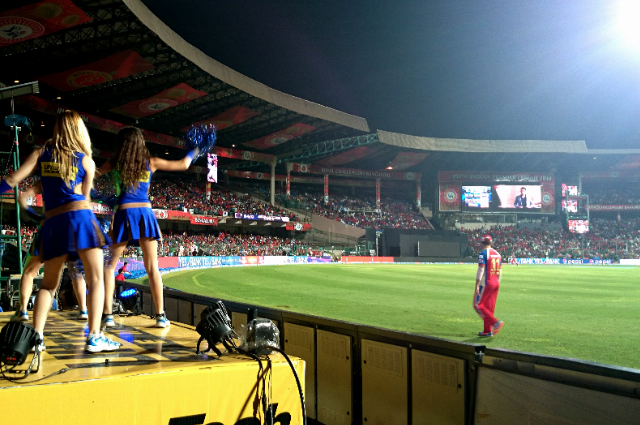
The M. Chinnaswamy Stadium, often called a “sea of red,” mirrors a shared identity that crosses linguistic and cultural lines. Fans do not simply come to watch cricket; they join in a collective experience, chanting, celebrating, and sometimes mourning together. In a country where cricket is intertwined with identity, RCB’s fans have created a sense of belonging that feels communal rather than transactional.
However, geography alone does not explain why millions continued to support a team that often fell short. The answer lies in the emotional stories woven around the franchise, especially through its players. Icons like Virat Kohli, AB de Villiers, and Chris Gayle did more than perform; they represented aspiration, charisma, and loyalty.
Kohli, in particular, became the emotional cornerstone of the franchise, embodying its ambitions and frustrations. His long tenure with RCB allowed fans to invest in not just outcomes but also in the journey. This emotional investment is key to understanding RCB’s fan culture.
Research on sports communities shows that fans of underperforming teams often develop stronger bonds, focusing on hope, future potential, and shared identity instead of immediate success. RCB reflected this phenomenon well. Each season was seen not as a continuation of failure but as a new chance.
The phrase “Ee Sala Cup Namde” served less as a prediction and more as a communal affirmation of belief. It allowed fans to collectively suspend disbelief, imagine a different outcome, and return each year with unwavering enthusiasm, and social media amplified this connection.
RCB established one of the strongest digital presences in the IPL, with millions of users actively engaging across various platforms. Unlike passive consumption, this engagement often came in the form of humour, memes, and self-awareness.
RCB fans embraced their team’s shortcomings and turned them into cultural elements that circulated widely online. This ability to laugh at themselves while still believing created a unique fan identity that was both emotionally invested and culturally expressive.
It’s important to note that this loyalty is not blind. Critics argue that intense fandom can sometimes lead to irrationality, especially during high-pressure events like IPL celebrations. Instances of overcrowding during major events have highlighted the dangers of mass emotional investment.
Still, these moments emphasise the strong connection between the team and its fans. The same emotional intensity that can lead to excess also sustains the fan base through years of disappointment.
The victory of RCB in 2025 did not create this loyalty; it literally affirmed it. After almost two decades of waiting, the win was less of a sports achievement and more of a shared emotional release.
The slogan that once symbolised hope finally became reality, transforming from aspiration into cherished memory. Celebrations across Bengaluru and beyond were marked by a sense of closure, as if a long-held promise had finally been fulfilled.
Interestingly, the win did not change the nature of the fan base. If anything, it reinforced the idea that loyalty, not success, defined RCB supporters.
From a sociological viewpoint, RCB’s journey challenges common beliefs about sports fandom. In many leagues, success breeds loyalty, and winning teams attract fans who want to be part of dominance.
RCB flipped this logic, and its fan base grew strongest during tough times, suggesting that identity and emotional connection can outweigh results. This aligns with broader theories of community loyalty, emphasising shared experience and resilience as key drivers of long-term engagement.
There is a uniquely human aspect to this story. Supporting RCB often meant accepting vulnerability, which came through choosing to hope for the best despite repeated setbacks.
In a world that prizes quick success, this form of loyalty felt almost countercultural; it showed a readiness to invest in uncertainty, finding meaning both in results and in the belief itself.
For many fans, RCB is not just a cricket team; it reflects life’s unpredictability, where effort does not always guarantee reward, yet hope remains.
At the same time, it is important to acknowledge that these narratives are also shaped by modern sports economics. Franchises actively foster emotional connections through branding, storytelling, and fan engagement strategies.
RCB’s strong digital presence, merchandise culture, and community initiatives are part of a wider system designed to maintain interest and loyalty. While this does not lessen the authenticity of fan sentiment, it serves as a reminder that fandom exists at the crossroads of emotion and enterprise.
Ultimately, the story of RCB and its “Ee Sala Cup Namde” spirit goes beyond cricket. It reflects how communities form around shared dreams, how hopeful narratives can persist without immediate success, and how identity is built through collective experience.
The team’s journey from repeated disappointments to champions is significant, but the years preceding that victory truly define its legacy. In those waiting years, RCB built a global community united not just by their triumphs, but also by their belief, which is something far more lasting than a trophy.
References :
- The Times of India
- The Times of India
- The Times of India
- Business Standard
- Forbes India
- Economic Times
- Cricbuzz
- Indian Express
- Guinness World Records
- Wikipedia
- India Times