
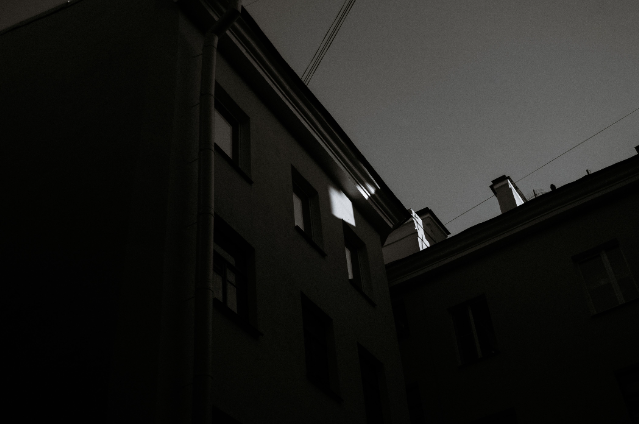
Behind the dense legal jargon, the sterile police files, and the sensationalised news headlines, the most unsettling element of the Twisha Sharma case is not just its tragic conclusion, but a profound, unmonitored silence. On the night of May 12 2026, a critical three hour window transpired inside the Katara Hills residence in Bhopal, completely cloaked in mystery. What took place between the final, panicked communication from the thirty-two-year-old actor model and the moment her body was officially discovered remains a haunting void. It is this specific expanse of missing time that has captured national attention, forcing investigators and the public alike to look past the standard narratives and question the sequence of events that unfolded in absolute secrecy.
The timeline leading up to this blank space begins with a sharp contrast of testimonies. According to statements provided by her husband, Samarth Singh, the evening was entirely routine, consisting of a walk in a nearby park, dinner, and television. Yet, the digital footprint left by Twisha paints a vastly different picture of the atmosphere inside the home. At 9:41 PM, she made a frantic WhatsApp call to her family, during which her relatives could distinctly hear loud, angry shouting echoing in the background before the connection was abruptly severed. For the next three hours, her phone was completely powered down, cutting off her only lifeline to the outside world. When her family managed to call the household landline at 10:35 PM, her mother-in-law, retired district judge Giribala Singh, reportedly refused to let Twisha speak and disconnected the line. It was not until after midnight that the silence ended with the devastating discovery of her body on the rooftop terrace.
The core of the entire mystery rests heavily on what transpired during those exact one hundred and eighty minutes of complete isolation. Digital forensics teams have since uncovered a deeply troubling anomaly, noting that the home surveillance system suffered highly suspicious gaps in its CCTV footage during those precise three hours. This missing visual record leaves a glaring blind spot, inviting intense curiosity about who was moving through the house, what confrontations occurred, and why the cameras failed to record during the most vital period of the evening. Furthermore, the initial local autopsy faced immediate criticism for severe procedural lapses regarding the documentation of bodily injuries and the handling of the ligature material, anomalies so glaring that the Supreme Court of India bypassed local jurisdiction to order a rare, fully videographed second autopsy by independent experts from AIIMS Delhi.
The mystery deepens dramatically when contrasted with Twisha's deliberate actions just days prior to her passing. She had recently endured the physical and emotional trauma of a forced abortion, following intense domestic hostility and malicious slurs aimed at her character. Yet, far from surrendering to despair, she was actively planning her escape from the residence. Investigators discovered that she had already purchased travel tickets to visit her brother in Ajmer for May 15, just three days later. A person who is actively counting down the hours to a long-awaited family reunion does not typically choose to end their life without an extraordinary, immediate external catalyst. This realisation shifts the focus entirely onto those three unmonitored hours, leaving the world to wonder what psychological or physical escalation took place behind closed doors, and what she could have possibly done to deserve such a sudden, intense compounding of hostility.
The absolute silence of that three-hour window allowed the accused to initially control the narrative, attempting to paint Twisha as unstable to deflect accountability, but the sheer volume of unanswered questions has sparked a widespread demand for the unvarnished truth. The human cost of this mystery is carried by her father and her brother, who had to fight through layers of local institutional bias just to secure a transparent federal probe. With the Central Bureau of Investigation now taking over the case under the direct oversight of the apex court, the focus remains locked on dismantling the secrecy of that night. Resolving the blank space in the timeline is no longer just a matter of forensic tracking, it is a crucial turning point for justice, urging the public to stand firm against institutional protectionism and ensure that the silence surrounding Twisha’s final hours is finally broken.
References:
- https://www.indiatoday.in
- https://www.hindustantimes.com
- https://timesofindia.indiatimes.com
- https://www.shoneekapoor.com
- https://www.indiatoday.in
- https://www.thehindu.com