
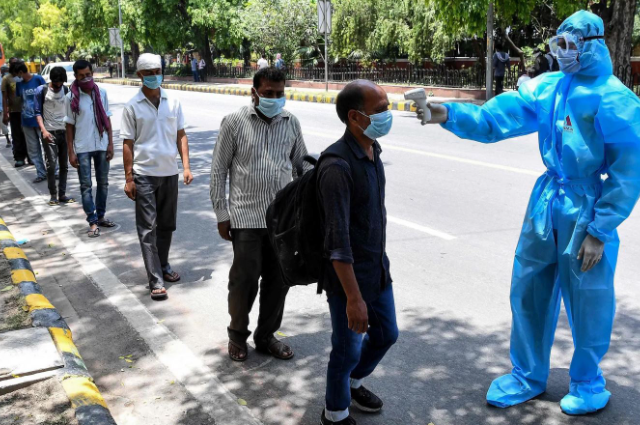
The COVID-19 pandemic created an unprecedented humanitarian crisis across the globe. In India, the nationwide lockdown of March 2020 triggered a mass displacement of migrant workers and exposed deep structural inequalities in social protection systems. Amid this emergency emerged a remarkable example of civilian-led humanitarian intervention that transformed individual compassion into a nationwide rescue movement. This article presents a structured narrative case study of the large-scale transportation of stranded migrants and the rescue of trafficked girls during the lockdown period. It explores the sociological, psychological, and ethical dimensions of the intervention while highlighting the broader lessons for crisis management and civic responsibility.
When a Health Crisis Became a Human Crisis
The COVID-19 pandemic disrupted lives in ways previously unimaginable. Nations shut borders, industries stopped functioning, and social interactions were suddenly restricted. Governments across the world implemented lockdowns to contain the virus, but these measures also produced unintended social and economic consequences.
In India, the lockdown announced in March 2020 was one of the largest and strictest in history. Within hours, trains stopped running, buses halted, flights were cancelled, and businesses closed. For millions of citizens with stable jobs and homes, the lockdown was an inconvenience. For migrant workers, it became a crisis of survival.
The migrant workforce, which forms the backbone of India’s urban economy, suddenly found itself without income, shelter, or transport. With no safety nets and no clear timeline for reopening, many workers began walking back to their villages. Images of families walking along highways, carrying children and belongings, quickly became the defining visual of the lockdown.
It was during this period of uncertainty that a civilian humanitarian movement began to take shape. What started as an act of empathy evolved into a structured rescue operation that would eventually assist thousands of stranded individuals and rescue hundreds of vulnerable girls from trafficking networks.
Understanding the Migrant Worker Reality
To fully understand the scale of the crisis, it is necessary to examine the socioeconomic context of migrant labour in India. Millions of workers migrate seasonally or permanently from rural regions to urban centres in search of employment. These workers typically operate within informal sectors such as construction, hospitality, manufacturing, and domestic work.
Their livelihoods depend on daily wages. Savings are minimal, and job security is rare. Many live in shared accommodations provided by employers or rented in crowded neighbourhoods. When the lockdown halted economic activity, these workers lost not only their income but also their housing and access to food.
With public transportation suspended, returning home became nearly impossible. Yet remaining in cities without work or support was equally unsustainable. This dilemma forced many workers to begin long journeys on foot.
Some walked hundreds of kilometres under extreme weather conditions. Reports emerged of exhaustion, hunger, and tragic deaths along highways. The humanitarian crisis unfolded rapidly and demanded immediate intervention.
From Observation to Action
The transformation from observer to active responder often begins with a moment of emotional impact. During the early days of the lockdown, news reports and social media posts highlighted the struggles of stranded workers. Photographs of families walking barefoot and children sleeping on roadsides captured national attention.
Such imagery catalysed action. The realisation that millions lacked access to basic mobility became the turning point. Food distribution and donations were already underway across the country, but transportation remained the most urgent need.
The core question shifted from “How can we help?” to “How can we bring people home safely?”
This shift marked the beginning of a large-scale logistical effort.
Building a Transportation Network From Scratch
Arranging transportation during a national lockdown presented immense challenges. Movement across state borders required permissions from multiple authorities. Health regulations changed frequently. Passenger lists needed verification, and travel routes had to be coordinated carefully.
Despite these obstacles, buses were gradually arranged for stranded workers. Each successful journey built momentum and trust. Requests for assistance multiplied rapidly, arriving through phone calls, text messages, and social media platforms.
Within weeks, the initiative expanded to include trains and flights. Students stranded abroad, patients requiring medical travel, and families separated across states began reaching out for help.
What began as a small transportation effort evolved into a full-scale humanitarian network supported by volunteers, administrators, and civil society organisations.
The Role of Social Media in Humanitarian Response
One of the most significant aspects of the rescue effort was the role of digital communication. Social media platforms became real-time communication channels connecting those in need with those offering assistance.
Thousands of messages arrived daily. Each message represented a unique story: a worker stranded in an unfamiliar city, a student unable to return home, a patient requiring urgent medical travel.
Digital platforms enabled rapid data collection and coordination. Volunteers verified information, organised travel lists, and communicated updates. This use of technology demonstrated how modern communication tools can accelerate humanitarian response.
The initiative also built public trust. Transparent communication reassured people that their requests were being heard and addressed.
The Emergence of a Hidden Crisis
While transportation remained the primary focus, a deeper issue began to surface. Reports emerged of increased human trafficking during the lockdown. Economic hardship, unemployment, and reduced monitoring created conditions that traffickers exploited.
Many girls were trapped in forced labour or unsafe environments. Some had been trafficked before the pandemic and became further isolated during lockdown restrictions.
This revelation expanded the scope of the humanitarian mission. The focus shifted from mobility assistance to rescue and rehabilitation.
Rescue and Rehabilitation Efforts
Rescuing trafficking victims required collaboration with law enforcement agencies, non-governmental organisations, and child welfare institutions. Each rescue operation involved legal procedures, safety verification, and coordination with families.
Over time, more than one thousand girls were rescued and reunited with their families. These operations highlighted the scale of exploitation intensified by the pandemic.
Rehabilitation became a critical component of the effort. Survivors required emotional support, education, and reintegration into their communities. The mission evolved from emergency response to long-term social impact.
Psychological Dimensions of Empathy and Trust
The success of the initiative can be partly explained through the psychology of empathy and trust. During crises, individuals often seek reassurance from visible and responsive figures. Personal engagement fosters emotional connection and encourages cooperation.
Public responses to humanitarian action demonstrated the importance of compassionate leadership. When people witnessed consistent efforts to help others, they felt inspired to contribute.
This phenomenon reflects the concept of social contagion of kindness. Acts of generosity inspire further generosity, creating a cycle of collective compassion.
The Cost of Sustained Humanitarian Work
Large-scale humanitarian operations require financial resources, logistical coordination, and emotional resilience. Sustaining such efforts over months presented significant challenges.
However, public support began to grow. Volunteers offered assistance, donors contributed funds, and organisations provided resources. The initiative became a collaborative effort involving individuals from diverse backgrounds.
This collective participation highlighted the power of shared responsibility.
Broader Social Impact
Beyond the direct beneficiaries, the humanitarian initiative inspired widespread civic engagement. Citizens began offering free meals, transportation, and shelter to those in need.
The movement demonstrated how crises can strengthen community bonds. In a time of isolation, collective action fostered a renewed sense of unity and compassion.
Lessons for Future Crisis Preparedness
This case study offers important insights for disaster management:
- Community-driven initiatives can complement institutional efforts.
- Digital communication enhances speed and coordination.
- Compassionate leadership builds public trust.
- Crisis response must address both visible and hidden vulnerabilities.
These lessons can inform future humanitarian strategies.
Humanity as the Ultimate Rescue System
The COVID-19 pandemic exposed deep vulnerabilities but also revealed extraordinary resilience. The humanitarian intervention examined in this article demonstrates how individual compassion can evolve into a large-scale social impact.
The legacy of this effort lies not only in the lives directly saved but also in the inspiration it provided. It reminds us that in times of crisis, empathy combined with action can transform society.
When institutions struggle under pressure, ordinary individuals can become agents of extraordinary change.
Ultimately, this story affirms a powerful truth: humanity’s greatest strength lies in its capacity to care for one another.
References:
- Press Trust of India (PTI).
“Actor Sonu Sood Helps Migrant Workers Reach Home During Lockdown.”
The Economic Times, 2020.
This article documents the large-scale transport of migrant workers arranged during the COVID-19 lockdown. - BBC News India.
“Sonu Sood: The Bollywood Actor Helping India’s Migrant Workers.”
BBC, 2020.
A detailed report covering the nationwide migrant transport initiative and public response. - The Hindu.
“From Migrant Transport to Education Support: The Expanding Relief Work of Sonu Sood.”
The Hindu, 2020–2021.
Covers the scale and logistics of relief efforts during and after lockdown. - NDTV India.
“Sonu Sood’s Foundation Helps Rescue Trafficked Girls and Provide Aid During Pandemic.”
NDTV, 2021.
Reports on rescue initiatives and humanitarian interventions. - India Today.
“Inside Sonu Sood’s COVID Relief Mission and the Impact on Migrant Workers.”
India Today, 2020.
Provides insights into operations, volunteer networks, and social impact.