
On countless mornings over nearly eight years, she walked into courtrooms carrying more than just files and petitions. There was a quiet weight in her presence—one that no legal argument could capture. For the nation, it was a case that ignited outrage. For her, it was her daughter. And grief, unlike headlines, does not fade with time.
“Some battles are not fought to win, but because not fighting would mean losing everything that mattered.”
The 2012 Delhi gang rape case—widely known as the Nirbhaya case—became a defining moment in India’s social and legal history. Yet, beyond the protests, policy changes, and public discourse stood a mother who transformed personal devastation into an unyielding pursuit of justice. This is not merely the story of a crime. It is the story of endurance, dignity, and the long, exhausting journey from loss to accountability.
The Night That Changed Everything
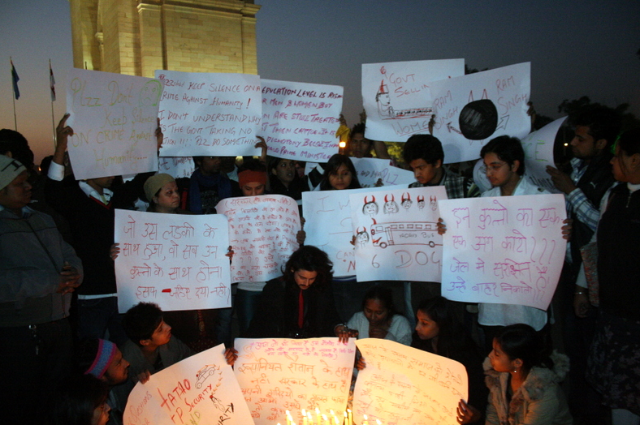
On December 16, 2012, a young physiotherapy intern was brutally assaulted on a moving bus in Delhi. The sheer brutality of the incident shook the conscience of the nation. Protests erupted across cities, voices rose in anger, and demands for justice echoed through the streets.
The victim, later called “Nirbhaya”—the fearless one—fought for her life but succumbed to her injuries days later.
As the country mourned collectively, her family stepped into a different reality—one where grief had to coexist with procedure, and justice had to be pursued step by step.
Grief That Refused to Stay Silent
For many, grief leads to withdrawal. For her, it became a reason to stand firm. Nirbhaya’s mother chose visibility over silence. She attended hearings, spoke to the media, and remained present through every stage of the legal process. Her voice was not loud, but it was steady.
“Pain can break a person, but sometimes, it reshapes them into something unbreakable.”
Each court date was not just a legal proceeding—it was a reminder. Each delay, each appeal, each adjournment stretched time in ways that only those waiting for justice can understand. Yet, she did not step back.
The Weight of Waiting
The legal journey of the case moved through multiple layers—the trial court, the High Court, and the Supreme Court. In 2013, the accused were sentenced to death, a decision upheld in subsequent appeals. But the process did not end with the verdict.
Review petitions, curative petitions, and mercy pleas extended the timeline. What followed was not just a legal procedure, but a prolonged period of uncertainty.
From 2012 to 2020, the case remained active. For the system, it was due process. For her, it was time suspended in pain.
“Justice delayed is not just a legal phrase; it is an emotional reality lived day after day.”
Despite the delays, she continued to appear, to speak, to hope. Finally, on March 20, 2020, the convicts were executed. The case reached its legal conclusion—but grief does not follow judicial timelines.
Beyond a Verdict: Questioning the System
The prolonged nature of the case raised critical questions about the justice system:
- Why do even fast-track cases take years?
- How do repeated delays affect victims’ families?
- Can justice feel complete when it arrives so late?
While the legal system must ensure fairness and due process, this case highlighted the emotional cost of time. It exposed the gap between legal closure and emotional closure. Her journey, in many ways, became a reflection of this gap.
From Personal Loss to Public Impact
The Nirbhaya case did not remain confined to courtrooms. It led to significant legal reforms.
The Criminal Law (Amendment) Act, 2013, expanded definitions of sexual offences and introduced stricter punishments. Fast-track courts were emphasised. Conversations around women’s safety gained urgency.
While these changes were driven by widespread public outrage, the persistence of the victim’s family—especially her mother—played a crucial role in keeping the issue alive.
“Sometimes, one voice—when it refuses to fade—can echo through an entire system.”
She became more than a participant in a case. She became a symbol of resilience and a reminder that justice is not an abstract concept—it is deeply personal.
Dignity in the Face of Loss
What stands out in her journey is not just persistence, but dignity. In a case that drew intense media attention, she maintained composure. She did not allow her pain to be turned into a spectacle. Her focus remained clear: justice, not attention. This quiet strength added depth to her fight.
“Strength is not always loud. Sometimes, it is the decision to keep going when silence would be easier.”
Her presence reminded the nation that behind every statistic is a human story, and behind every case file is a life that cannot be reduced to headlines.
Media, Society, and Collective Responsibility
The case also highlighted the role of the media and public response. Continuous coverage ensured that the issue remained in focus, while protests reflected a collective demand for change.
However, it also raised concerns about selective attention and sensationalism.
In contrast, the approach of the victim’s family—grounded, respectful, and focused—offered a different model: one where justice is pursued with dignity rather than dramatisation.
A Story That Does Not End
While the Nirbhaya case led to reforms, it did not mark the end of violence against women. Incidents continue to surface, reminding us that legal change alone is not enough. The deeper challenge lies in mindset, awareness, and implementation.
This is where her journey gains broader meaning. It is not just about what happened in 2012. It is about what continues to happen—and what must change.
Conclusion: The Meaning of Her Fight
Not all courage is visible in grand gestures. Sometimes, it lies in persistence—the quiet act of showing up, again and again, despite exhaustion, despite delay, despite pain. Nirbhaya’s mother did not just seek justice; she sustained it.
“Grief may begin as a personal burden, but in rare moments, it transforms into a force that reshapes society.”
Her journey reminds us that justice is not merely about verdicts. It is about acknowledgement, dignity, and the refusal to let a story be forgotten. In the end, her fight was not just for her daughter. It was for meaning. And that is what makes it endure.