
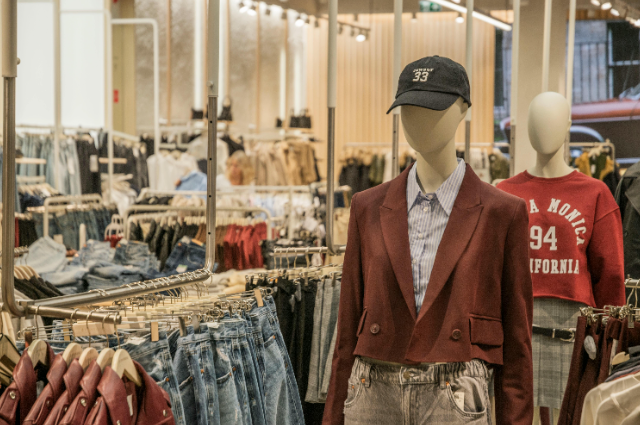
It's the middle of April, Priya, an 18-year-old student, walks into a Zara store in a mall in Mumbai. Instinctively she reaches for the cropped blazer she's seen all over instagram. And without even realizing it, that choice is shaped long before she steps into her store, shaped by her instagram algorithm, by global trend forecasts and a tightly fashion system, that quietly influences what ends up in her wardrobe.
This raises a quite compelling question, a question of whether your style truly is yours? Or is it being controlled and curated for you?
These fashion trends don't just happen, don't just appear out of thin air. They are often something that can be predicted years in advance by agencies like WGSN, which analyze consumer behaviour, cultural shifts and even political moods to predict what people will want to wear. These “forecasts,” predictions are then sold to major brands, which shape collections before they even hit the design stage.
For instance, the rise of “comfort wear” during and after the pandemic wasn't accidental, or because of a huge gap in production. It was anticipated through data on lifestyle changes, remote work patterns, and mental health trends. Brands responded to this by producing oversized silhouettes, soft fabrics and athleisure, items that consumers later perceived as organic shifts in personal style.
Therefore brands like H&M and Zara operate on a fast fashion model, where designs move from trends to concepts to store shelves in a matter of weeks. What influences and enables his speed is data.
Retailers track what customers are buying in real time: both online and offline. And if a particular style sells out quickly in a region, similar designs are rapidly produced and distributed globally to satiate the consumer's demand. Zara for example, is known for its agile and continuously changing supply chain, which allows it to introduce new collections multiple times a month.
This means that what you see in stores is not just a designer's vision and art, but a response to aggregated consumer behaviour. In other words, your choices are influenced by everyone else's choices, creating a loop, a feedback loop that reinforces certain styles while sidelining others.
Priya didn't just stumble upon that blazer: she saw on the internet, on influencers first. Platforms like instagram and tiktok which have become powerful fashion engines, where these trends can emerge and spread globally within a matter of days.
These influencers often in collaboration with brands, showcase curated looks that feel personal but are frequently part of larger marketing strategies. Hashtags like the #OOTD (outfit of the day) or #StreetStyle creates a sense of authenticity, even when the content is sponsored.
The algorithms of these apps further enhance this effect. If Priya engages with even a few fashion posts, her feed becomes saturated with similar content, which subtly narrows her perception of her own fashion choices and what is currently trending. Over time, this repeated exposure to curated fashion content can make certain aesthetics feel like genuine personal preferences rather than trends influenced by others.
From a psychological perspective, we are essentially wired to seek social interactions. Wearing what's “in” or trending can signal many things at once, like identity, status and group affiliation. Brands tap into these sentiments by creating narratives around their products like: minimalism, sustainability, rebellion, something that resonates with specific audiences.
Now take sustainable fashion for example. Companies like Patagonia emphasize ethical production and environmental sustainability. Consumers who buy from them often feel that they are expressing personal values, even though those personal values may have been reinforced and carefully crafted by brand messaging.
This does not mean consumers are passive. Rather, it highlights a complex interaction between individual will and agency and external influence. People make choices, but those choices are framed within a set of options by brands and platforms.
Now let's return to Priya. Over the past year or so, her wardrobe has shifted noticeably: more neutral tones, structured silhouettes, and "clean girl" aesthetics. She truly believes this reflects her evolving personality.
But a closer look reveals a pattern. Almost all of her purchases are from fast fashion brands, influenced by instagram trends, and aligned with global forecasts. Even her attempt at a “unique style” involves mixing pieces that are widely available and heavily marketed.
Yet, her experience isn't entirely manufactured. She still chooses what to buy, what to wear and how to wear and style it. However the difference is that her choices are being shaped within a system designed to guide her preferences.
So the answer to the question isn't just a simple yes or no.
Your style is just partly yours- it reflects your tastes, experiences and identity. But it's also heavily influenced by a network of designers, data analysts, marketers and algorithms that work behind the scenes.
Understanding this doesn't strip away your individuality. Instead, it offers awareness. It allows consumers to question trends, explore alternatives and make more intentional choices.
In a world where brands increasingly “pick” your clothes, true personal style might just lie in not following trends, but recognizing them, and choosing when to follow and when to resist.
References:
- McKinsey & Company – The State of Fashion Reports https://www.mckinsey.com
- WGSN – Trend forecasting methodology https://www.wgsn.com
- Harvard Business Review – How Fast Fashion Became Faster https://hbr.org
- Business of Fashion – Zara’s Supply Chain Strategy https://www.businessoffashion.com
- Journal of Consumer Research – Studies on social influence and consumer behavior https://academic.oup.com
- Pew Research Center – Social media and consumer behavior trends https://www.pewresearch.org
- Patagonia – Sustainability and brand positioning https://www.patagonia.com