
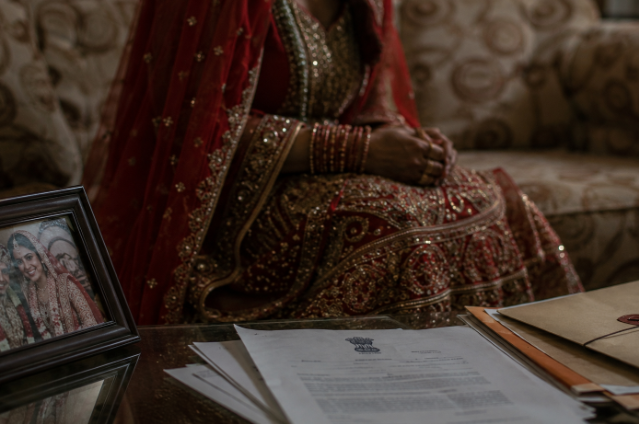
Dowry being illegal in India is a fact that we as citizens are already well aware of, but in reality, it continues to exist, just under a different name called “gifts.” Now, to people who may not understand why taking, giving or even demanding dowry is illegal and bad, let me tell you about the various kinds of emotional, social and mental abuse the bride and her family are under just to fulfil the needs of the groom and his family.
On the surface, it seems like this is just about societal pressure and the judgment that is and will be passed around about the bride's family, but it is so much more than that. NRCB-linked reporting has suggested that India recorded approximately 5,747 dowry-related deaths in 2024 alone, meaning roughly 15-16 deaths that happen each day, not to mention the deaths that remain unreported.
In May 2026 alone, two separate deaths occurred that involved young married women, which shook public attention in India once again. Even though the details of each case are under investigation as of right now, both incidents appear to mirror each other: with allegations of dowry harassment, distress calls to family members, suspicious deaths inside marital homes, and grieving parents claiming that their daughters were failed by both society and the system.
The cases of Twisha Sharma and Deepika Nagar have yet to reach legal conclusions, but they have reopened difficult conversations about gender, marriage, silence, and justice in modern India, which were long overdue.
According to the reports, 31-year-old former actor-model Twisha Sharma was found dead in her matrimonial home in Bhopal on May 12, 2026. Authorities initially treated the incident as a suicide. However, her family allegedly disputed that version of the case immediately. Media reports suggested that her relatives raised concerns regarding alleged dowry harassment, inconsistencies in forensic observations and the overall circumstances surrounding her death.
The case appeared to gain national attention after protests grew louder outside courtrooms and across social media, with many people demanding an independent investigation into Twisha Sharma’s death. The Supreme Court later took suo motu cognisance, while discussions around a second autopsy and possible CBI involvement emerged in public discourse.
Reports also included funeral scenes heavy with emotions, as Twisha's family publicly demanded accountability while having to simultaneously navigate legal uncertainty and media scrutiny. Because the investigation remains ongoing, no confirmed conclusions appear to have been reached regarding the exact cause of death or criminal liability.
Somewhere around the same time period, another family from Greater Noida reportedly found itself confronting a similar reality. 24-year-old Deepika Nagar reportedly died after falling from the third floor of her residence, approximately 18 months after her marriage. Here too, the police reports initially describe the incident as a suicide or accidental fall, though her family allegedly claimed that she had been subjected to prolonged dowry-related abuse by her husband and in-laws.
According to media coverage, her relatives alleged repeated demands for cash, jewellery, and even a luxury SUV. Some reports claimed that Deepika had informed her parents about physical assaults shortly before her
death. An autopsy then reportedly revealed severe internal injuries, including brain trauma and internal bleeding, which further intensified public suspicion around the case.
Arrests were reportedly made following complaints by the victim's family, but as with many such cases, the final legal outcome remains uncertain.
These two cases drew national outrage. But activists and researchers argued that they might represent just a fraction of a much, much larger crisis.
Legal protections against dowry already exist through the Dowry Prohibition Act, 1961, alongside provisions that dealt with cruelty and suspicious deaths of married women.
Yet critics frequently argue that implementation remains inconsistent, with investigations that could drag on for years on end, evidence becoming contested, and families often claiming that they were pressured into silence or a compromise.
In many households, dowry takes the form of “gifts,” “expectations,” “help,” or “status” rather than an outright “demand.” This ambiguity makes the allegations difficult to prove while still allegedly placing pressure on brides and their families.
What usually disappears beneath legal terminology is the personal grief and trauma that is left behind.
In many reported dowry-death cases, parents allegedly replay final phone calls, old text messages, or wedding videos searching for signs that they might have missed, or something they could've done better. Families sometimes describe feeling guilty for encouraging their daughters to just “adjust” within difficult marriages rather than returning home and asking for help.
Many public reactions following these incidents also reflected the growing frustration amongst women online. Several public figures, including actors such as Ridhi Dogra and Kangana Ranaut, reportedly spoke about financial independence, social pressure around marriage, and the vulnerability many women continue to face after weddings.
Their comments appeared to resonate with the public because the issue may not simply be about criminal law. It may also involve social conditioning, family honour, economic dependency, and the normalisation of emotional abuse inside marriages.
Cases like those of Twisha Sharma and Deepika Nagar often attract widespread attention because they challenge the idea that education, urban life or modernity alone can weaken dowry culture. Since both women came from relatively educated backgrounds, their allegations of coercion and harassment surfaced around marriage-related expectations.
Dowry violence has survived not because it's openly celebrated and accepted but because it is simply tolerated, expected even through social pressure, family compromise and the fear of stigma.
Right now, courts and investigators will ultimately determine what happened in these two cases. But even before the verdicts arrive, the broader discomfort surrounding them appears undeniable. Many Indians recognise the pattern long before the investigation starts, and conclude, but are they willing to speak up?
Sources:
- https://timesofindia.indiatimes.com
- https://www.ndtv.com
- https://economictimes.indiatimes.com
- https://timesofindia.indiatimes.com
- https://economictimes.indiatimes.com
- https://timesofindia.indiatimes.com
- https://www.hindustantimes.com
- https://www.drishtiias.com