
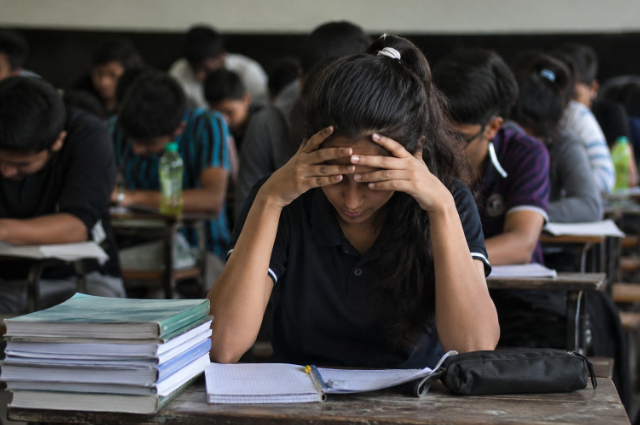
What happens when the dreams of millions of students collapse not because they did not study enough, but because the system meant to protect fairness fails overnight?
For more than twenty-two lakh students across India, NEET UG is not just an examination. It is years of sacrifice, sleepless nights,s expensive coaching classes and the emotional pressure of entire families. Every year, ar students walk into examination centres carrying admit cards, transparent water bottles and the hopes of becoming doctors. Parents wait outside in the heat, praying that three hours inside a classroom will change their child’s future forever.
But this year the story was very different.
On May 12 2026, the National Testing Agency cancelled the NEET UG 2026 examination that had taken place on May 3 after allegations of a major paper leak spread across the country. What shocked people the most was how easily such a massive examination system was reportedly compromised. An examination protected by biometric verification, CCTV monitoring,g encrypted paper transportation and thousands of officials was allegedly leaked through Telegram groups for as little as ₹500.
The news spread quickly, and panic followed immediately. Students who had finally relaxed after months of preparation suddenly found themselves forced back into revision and stress. Families who had already started discussing counselling and expected scores were once again trapped in uncertainty.
Soon after the cancellation,n NTA announced that the fresh examination would be conducted on June 21 20,26 from 2 PM to 5:15 PM. Students would also receive an extra fifteen minutes during the examination. Officials clarified that no fresh registration would be needed and no additional fees would be charged. The earlier application forms and examination city preferences would remain valid for the re-examination.
The timing of the examination also became a topic of discussion because June 21 is celebrated as International Yoga Day across India. Many students worried that celebrations and road arrangements could affect travel and examination management. NTA later stated that Yoga Day activities usually take place in the morning and that scheduling the examination at 2 PM would ensure there was no interference with examination arrangements.
Behind all the official statements were emotional stories that captured the mood of the country.
One story that went viral was about a girl who reportedly reached her examination centre just one minute late and was denied entry after the gates closed. Videos of her crying outside the centre spread rapidly online. Many people questioned whether such strict rules should exist in examinations where students spend years preparing for a single opportunity. For countless aspirants, her story represented the brutal pressure of competitive examinations in India, where sometimes even one minute can decide the future.
Another story that touched people deeply was about a seventy-year-old man who appeared for the examination to fulfil his late mother’s dream of seeing him become a doctor. Social media users praised his determination and called him an inspiration. In an examination usually associated with teenagers, his presence reminded people that learning has no age limit. But even his inspiring journey became overshadowed by the confusion created after the cancellation.
As investigations continued, more disturbing details began to emerge. Rajasthan Police reportedly discovered a so-called guess paper containing around 140 questions similar to those asked in the actual examination. Authorities in states such as Bihar and Uttarakhand also began investigating WhatsApp groups, Telegram channels and online payment records connected to the alleged leak.
The incident exposed how examination fraud has evolved in the digital era. Earlier paper leaks depended mostly on physical theft or insider involvement. Today, encrypted messaging apps, anonymous payments,s and private online groups allow leaked material to spread across states within minutes. Experts believe these networks now operate almost like organised businesses targeting students desperate for success in extremely competitive examinations.
For students, the emotional damage has been enormous. Many had already mentally finished the examination after May 3 and stopped studying completely. Others had spent large amounts of money travelling to examination centres and arranging accommodation. Students from financially weaker backgrounds now have to bear the burden of another round of travel expenses and preparation.
The controversy has also restarted a larger debate about India’s education system. NEET is often described as a single examination that decides the future of lakhs of students in just a few hours. When the credibility of such an examination collapses, public trust also begins to break down.
Education experts have once again started demanding reforms. Reports suggest that the government is considering shifting NEET completely to a computer-based format from 2027 onwards to reduce the chances of paper leaks. While this may improve security, experts also warn that digital examinations could create new challenges,s especially for students from rural backgrounds who may not have equal access to technology. Meanwhile, the NTA has promised
stricter security measures for the re-examination and has also opened correction windows for students who wish to change their address or city preferences. But rebuilding trust will not be easy. For many students,s the damage is already emotional.
The NEET 2026 controversy is no longer only about a leaked paper. It reflects the pressure placed on students across India, where one examination often decides careers, social mobility and family expectations. Parents invest savings into coaching institutes while students spend years isolating themselves from normal life just to compete for limited medical seats.
As June 21 approaches, students once again return to textbooks, kKSmock tests and revision notes. But this time, they are carrying more than academic pressure. They are carrying the fear that even after years of hard work,k fairness itself may no longer be guaranteed.
References
- https://timesofindia.indiatimes.com
- https://m.economictimes.com
- https://www.ndtv.com
- https://www.shiksha.com
- https://navbharattimes.indiatimes.com
- https://timesofindia.indiatimes.com