
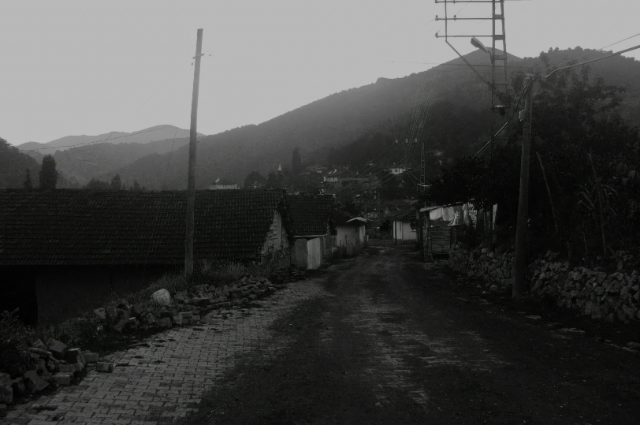
The incident on May 2, 2026, in Nasrapur village in Pune district did not happen suddenly. It unfolded quietly in a place where life usually follows a familiar rural rhythm and where danger is rarely expected to come from within the community itself. What happened that day was not just a crime. It was the result of a system that failed to act when it had the chance.
At the centre of this case is an accused individual with a known history of sexual offences involving minors who was out on bail at the time. This one detail changes everything. The घटना is no longer just about a single act of violence. It becomes a deeper question about how someone already identified as a risk was allowed to return to society without any structured monitoring or evaluation.
India’s legal system was designed to protect children through laws such as the Protection of Children from Sexual Offences Act, introduced in 2012. It created special courts that defined offences clearly and aimed to ensure timely justice. On paper, it appears strong and well thought out. Yet the Pune case shows that the strength of a law depends on how it is applied. Gaps in enforcement, delays in trials, ls and the absence of follow-up systems weaken its impact.
Data from the National Crime Records Bureau shows that a large number of POCSO cases remain pending for long periods. These delays place courts in a difficult position where they must balance personal liberty and the presumption of innocence. As a result, bail is often granted even in serious cases. While this may be legally justified, it creates a serious risk when the accused is a repeat offender. Without a proper system to assess risks, k k-bail becomes a point of failure rather than a balance.
In many other countries, the process does not stop at bail. Nations such as the United States and the United Kingdom use structured tools to assess the likelihood of reoffending. These tools consider past behaviour, psychological patterns, and victim profiles. They are not perfect, but they bring some level of consistency and caution decision-making. In India, such systems are largely missing, which means decisions depend heavily on individual judgment without enough institutional support.
The Pune case reflects patterns seen in earlier incidents such as the Delhi case of 2012 and the Kathua case of 2018. In both situations, public anger led to strong demands for punishment.
Over time, however, the focus shifted from prevention to reaction. The problem is not the absence of laws but the incomplete systems around them, which allow the same failures to repeat.
In Nasrapur, the accused was identified through local CCTV footage rather than any formal monitoring system. This detail is important. It shows a system that reacts after harm has occurred instead of preventing it beforehand. Community vigilance has worked in some parts of India, but it remains uneven and often ineffective, al especially in rural areas.
The broader social background also plays a role. The accused, described as a labourer, likely had little or no access to structured correctional programs, psychological evaluation or rehabilitation. India’s correctional system still focuses more on punishment than reform, especially in cases of sexual offences. Global research suggests that supervised behavioural programs can reduce the chances of reoffending, yet such approaches are still not widely implemented.
The public reaction to the incident was immediate and intense. Protests, road blockades and widespread anger reflected not just grief but a deeper loss of trust in institutions. Assurances from leaders, including Devendra Fadnavis, about fast trials and strict punishment addressed the urgency of the moment but also pointed to a familiar pattern. There is always a quick response after tragedy, but slower progress when it comes to long-term reform.
Fast-track courts are often seen as a solution, but they, too, are under heavy pressure. With a large number of pending cases, their capacity is stretched. Without improvements in investigation and judicial infrastructure, speed alone cannot ensure justice.
What makes this case stand out is not only its severity but what it reveals about the gaps in the system. There is a gap between arrest and monitoring, between legal provisions and their implementation, and between awareness and action. When these gaps align, the result can be irreversible.
Moving forward requires more than reactive steps. It calls for better coordination between law enforcement and the judiciary, mandatory monitoring for repeat offenders, structured risk assessment in bail decisions, and serious investment in rehabilitation. It also requires a shift in thinking where prevention is given as much importance as punishment. In the end, this case is not only about what happened in one village on a single day, but it is also about what was allowed to happen and the gaps that made it possible. It brings attention to the quiet spaces where responsibility fades between law and enforcement, between release and supervision, between warning signs and action. The failure did not appear suddenly; it built over time until it could no longer be contained. Justice cannot be measured only by how quickly punishment is delivered; it must also be judged by whether the system was capable of preventing the crime in the first place. Until that question is faced with honesty and followed by real change, such incidents will not remain rare; they will continue to return as reminders of a system that responds too late and hesitates when it matters most.
References :
- National Crime Records Bureau (NCRB) Reports – https://ncrb.gov.in
- Ministry of Women and Child Development – POCSO Act Overview – https://wcd.nic.in
- National Database on Sexual Offenders (NDSO) – https://mha.gov.in
- Hanson, R.K. et al. (2009). “The Principles of Effective Correctional Treatment Also Apply to Sexual Offenders.” Psychological Bulletin
- PRS Legislative Research – POCSO Act Analysis – https://prsindia.org
- Supreme Court of India Judgments on Bail Jurisprudence – https://main.sci.gov.in