
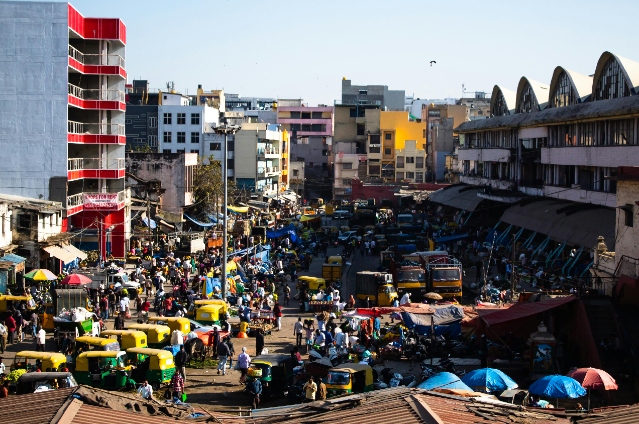
Civic responsibility is a basic ethical duty of every single person living in India towards his/her own country. These responsibilities are not only about what we see on Instagram reels, civic sense with friends, in the metro or any such thing, but it is also about cleaning the city as well. Looking after what is happening around us, and how clean the country actually is.
India dreams in billion dollar skylines – metros, airports, bullet trains and luxury malls, yet somewhere between having the ambition of becoming a superpower and reality of everyday life, lies a obvious contradictory thing – having developed in all means to make the country compatible with countries like Japan or China we have grown a lot but we have forgot that with having and building those concrete buildings there is also which makes the country stand out -the cleanliness, the pollution free cities, the perfect drainage system in every village.
We have always looked after the real urbanisation through these buildings, Asia’s biggest malls, or metros in every city, but the real look after has to be behind the lives of people who build it. The rural employees, who live in rural villages. Villages are considered the prime example of a poor drainage system all over India. You can visit the best temples of India, which are called as ‘Tirth’ -Banaras, Vrindavan or Ayodhya. These places are said to have a living god in them, but the saddest truth is that those are the cities that are said to be the dirtiest in the drainage system.
A country of 1.4 billion people, but finding a dustbin becomes a treasure hunt. Plastic cups abandoned near tea stalls, snack wrappers floating beside roads, overflowing garbage piles hidden behind “clean city” signboards - cleanliness in India often exists more as a campaign slogan than a lived reality. Indian families have always taught their children to keep their homes clean, but as the first step comes out of the house, the responsibilities are changed, people started treating the gullies like the only who has to take care of, it has to be those vehicles who collect garbage from our homes or those women’s or men’s who take a groom in their hands and clean the roads.
The main problem is not only limited to drainage systems or looking for proper dustbins, but pollution too. Delhi, Kanpur and Patna have high rates of pollution, especially air pollution. The sad irony is that Delhi is the capital of India, but it still lacks because of pollution. This is because with the rapid increase in urbanisation, population and meeting their needs of making roads, metros, companies and bridges have led to this pollution. The people living in Delhi consider it a city that has to be taken care of by the government of India, but being the capital, it has to be clean. People from many other cities come and live there, some for college or some for building a home there, but they forget how important it is for these people to keep the city clean from pollution, and this is the main reason why people mostly avoid living in Delhi.
India has open drainage systems to pollution from cleanliness to littering culture, everything is seen on the streets of any city you visit, and this is because the people don’t consider those streets as their own. This is where civic responsibility comes. If we can make our own home clean by knowing it is our own, then why not our own city where we live?
The root cause behind these things is said to be the industries, buildings, needs, wants, and many more, but where do these above-stated things begin from? – It begins from ‘we’, ‘Humans’. As it is said, humans are said to be the biggest animal in all animals because they are the one who creates this and blame the environment, blame the government. We are the one mainly and highly culprit of the global warming happening, natural calamities happening around us.
There is a great need to control the population, and increasing the civic responsibility in humans specially the youth. Showing the civic sense through Insta reels is not what is needed now; it is needed in reality too, to make the surroundings worth breathing, to make today worth living for the upcoming generation.
Urbanisation will keep on increasing because humans are never satisfied, but it shouldn’t mean that we affect our surroundings heavily to satisfy us.
References :
- NITI Aayog
- Central Pollution Control Board
- Swachh Bharat Mission
- Ministry of housing and urban affairs