
Mumbai is counted as a city with full potential in everything, from dreams to fantasies, from food to lives and more. But as it is said, everything has two sides, and so does Mumbai. Being called as the city of dreams, people living there forgot to keep it safe and clean from everything. Whenever a person listens to ambulance sirens in Mumbai, it takes them back to those haunted incidents like the Taj Mahal blast and more. But not every time it will be a blast – sometimes it is a normal person living his own life with his family peacefully, and then an incident takes place that changes everything for them and for the other people surrounding them.
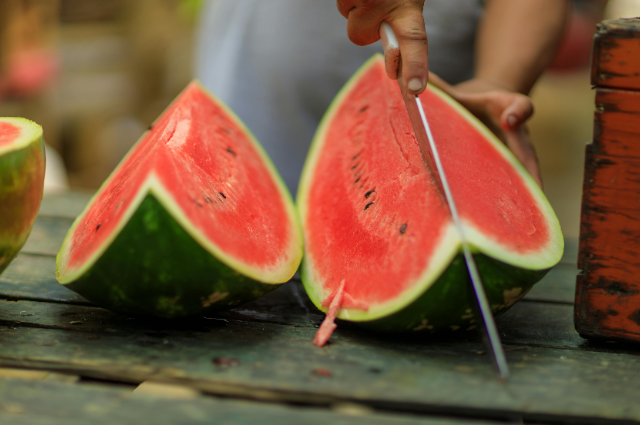
On April 2026, Abdullah Dokadia, a 45-year-old mobile accessories trader, his wife Nasreen, and their daughters Zainab and Ayesha hosted a dinner for five relatives on Saturday night. After the guests left, the family consumed watermelon at around 1 am. By 5 am, all four developed severe symptoms like vomiting and diarrhoea. They were rushed to Sir JJ Hospital but were declared dead despite intensive medical efforts.
How strange it is to find and listen to such cases where you cannot just eat a simple fruit with a whole trust. The forensic reports say watermelon is a direct cause, instead pointing towards poison. The autopsy and forensic reports came with a point that - Key organs of the victims, including the brain, heart, and intestines, were found to have turned green. Doctors noted the symptoms and internal findings do not align with a routine case of food poisoning-
At first, when people get familiar with the news, they spread the rumour through social media that the fruit is contaminated, unsafe street vendors, etc., but as the reports came out, they spoke something else - Authorities reportedly found traces of zinc phosphide - a toxic rat poison - linked to the case. Experts explained that once consumed, zinc phosphide reacts with stomach acid and releases phosphine gas, a deadly substance capable of shutting down the body’s cellular energy systems within hours.
The investigation says that no direct rat poison was found in the house. But a very important question arises – how the relatives were left out of this incident ? The relatives left the house just after they had had dinner, and so they were not exposed to this incident.
Research to find the real motive and reason behind this is still an ongoing process, but this incident took a massive turn after the word poison was used. There is a question in everyone's mind now – does this incident take place by mistake because of the watermelon, or was it really poisoned by someone? Is it a by-mistake death or a murder mystery ?
It feels so heavy to listen to this news specially on any food item – every person's basic need is food, in summers people mostly spend their time eating fruits and drinking juices, which keeps them healthy and energetic, but if these types of incidents keep on happening, then it is more likely that people will start avoiding eating watermelons and mangoes.
The most hurtful part comes here the daughter Ayesha, who was just 16 years old, got her class 10th results the next day, and she was found dead. She had cleared the exam with 70% and was wondering about entering the stream of Fashion Designing.
People have started feeling scared after this incidence not because of the way it happened, but knowing that there was a person who probably knew about this was going to happen.
Today, the “watermelon death case” is remembered not just because of the shocking forensic details, but because it exposed how quickly fear, misinformation, and grief collide in the digital age. Before official reports were complete, theories had already flooded timelines. The watermelon became a symbol of suspicion, panic, and the unsettling realisation that danger can sometimes arrive disguised as something harmless.
But the unbearable thought that somewhere, before the first slice was cut, someone may already have known what the watermelon carried inside.
References :
- ABP News
- Maharashtra Times
- YouTube
- The Economic Times